Trump’s Middle East Dealmaking Is Working Against Itself
Taken together, bilateral deals risk fueling regional rivalries that undermine U.S. interests.
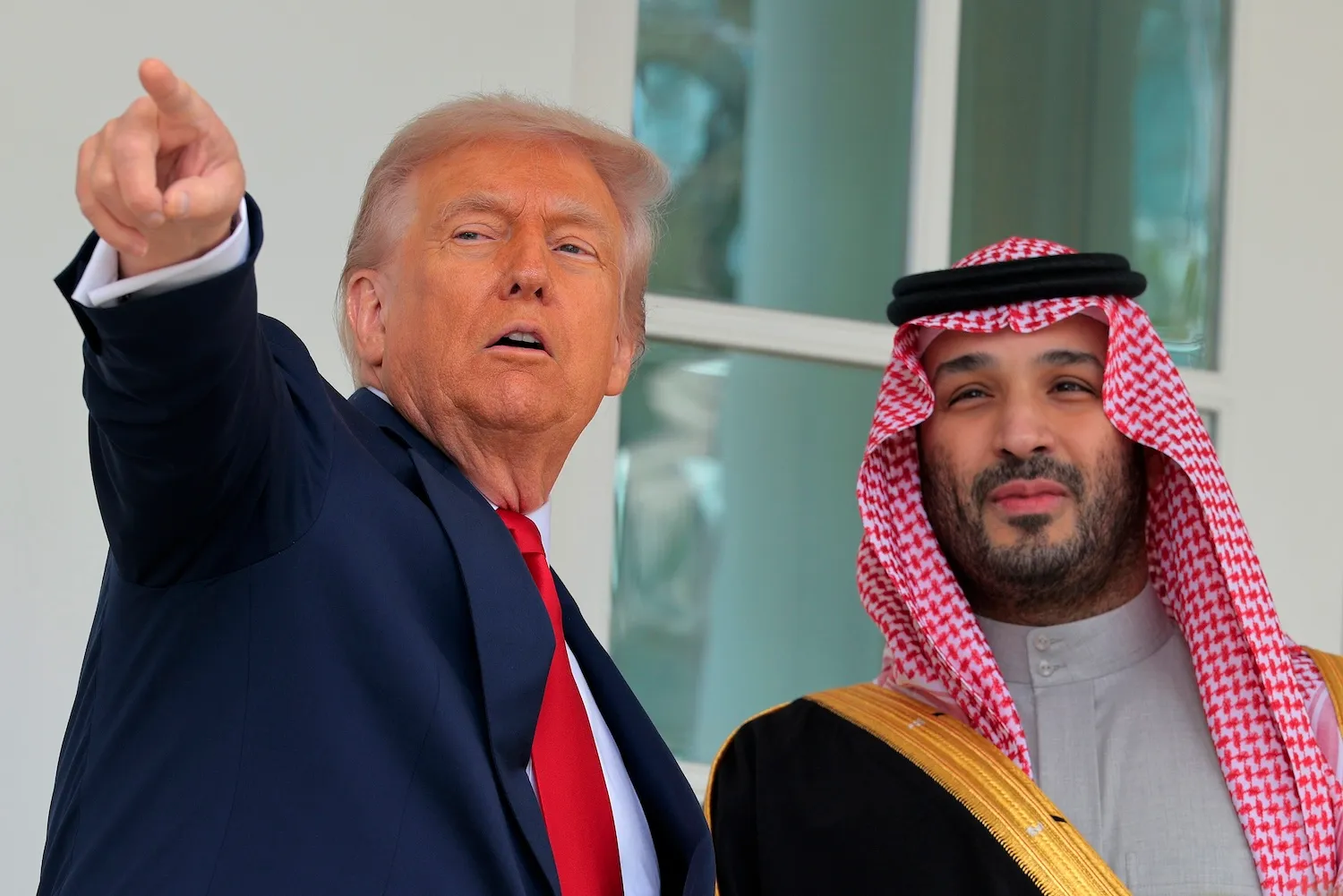
The Trump administration has been actively engaged in dealmaking across the Middle East in recent months. They have signed a new trade agreement with Jordan, granted the UAE access to advanced American AI chips, lifted sanctions on Syria, approved F-35 sales to Saudi Arabia (along with the potential for sales to Turkey), approved significant arms packages for Israel, and signed a landmark civil nuclear cooperation agreement with Saudi Arabia.
These deals, individually, may seem beneficial, generating opportunities for American companies. However, the overall strategic coherence of Washington's approach and its long-term interests are questionable.
As regional partners increasingly become rivals of each other, these deals mean that the U.S. is supplying arms and technology to all sides of the region's conflicts. This situation raises concerns about the administration's ability to effectively weigh and balance its various deals against one another. Without a clear strategy, the policy goals of expanding the Abraham Accords, building insulated trade and energy corridors, and empowering regional partners to bear more of the security burden are at risk.
The recent Iran war has only widened the rifts among U.S. partners. Notably, the normalization between Saudi Arabia and Israel, which seemed attainable before the Hamas attack in October 2023, is now frozen. In response, Saudi Arabia has joined Pakistan and Turkey in the Mecca defense pact, while Israel and the UAE have grown more competitive in economics and technology.
Saudi Arabia and the UAE are now openly vying for regional leadership in these sectors, while Israel and Turkey are becoming more antagonistic, particularly over Syria, which is shedding its dependence on Washington's sanctions.
The administration's recent approval of a multibillion-dollar civilian nuclear deal with Saudi Arabia, and its pending approval of F-35 sales to the kingdom, could exacerbate the arms race in the region and diminish Israel's military advantage, a cornerstone of U.S. defense and foreign policy. Furthermore, AI advancements are accelerating this fragmentation. Two AI initiatives, Stargate UAE and HUMAIN in Saudi Arabia, both backed by U.S. technology, are essentially competing national stacks without fostering synergy.
In conclusion, while bilateral deals with allies and partners can benefit U.S. companies, Washington's lack of a structured strategy in this region poses risks. As China and India demonstrate, securing contracts in the Middle East does not guarantee regional stability or align with U.S. security interests. The U.S. needs to develop a more cohesive approach that prevents its various deals from undermining each other and potentially fueling regional conflicts.
Written by urgent.news from Foreign Policy's reporting — not their text. Machine-written — may contain errors; check the original before relying on it.