The people in your workplace matter a lot more than where they work
Just before the turn of the millennium, I worked for a global company in a boring six-floor brick building with long corridors and offices behind closed doors. I worked on a team of eight, all located in a corner on the third floor. There were coffee machines everywhere, but for some reason, people came to our corner for their breaks. It wasn’t because we had better coffee; it was because of…
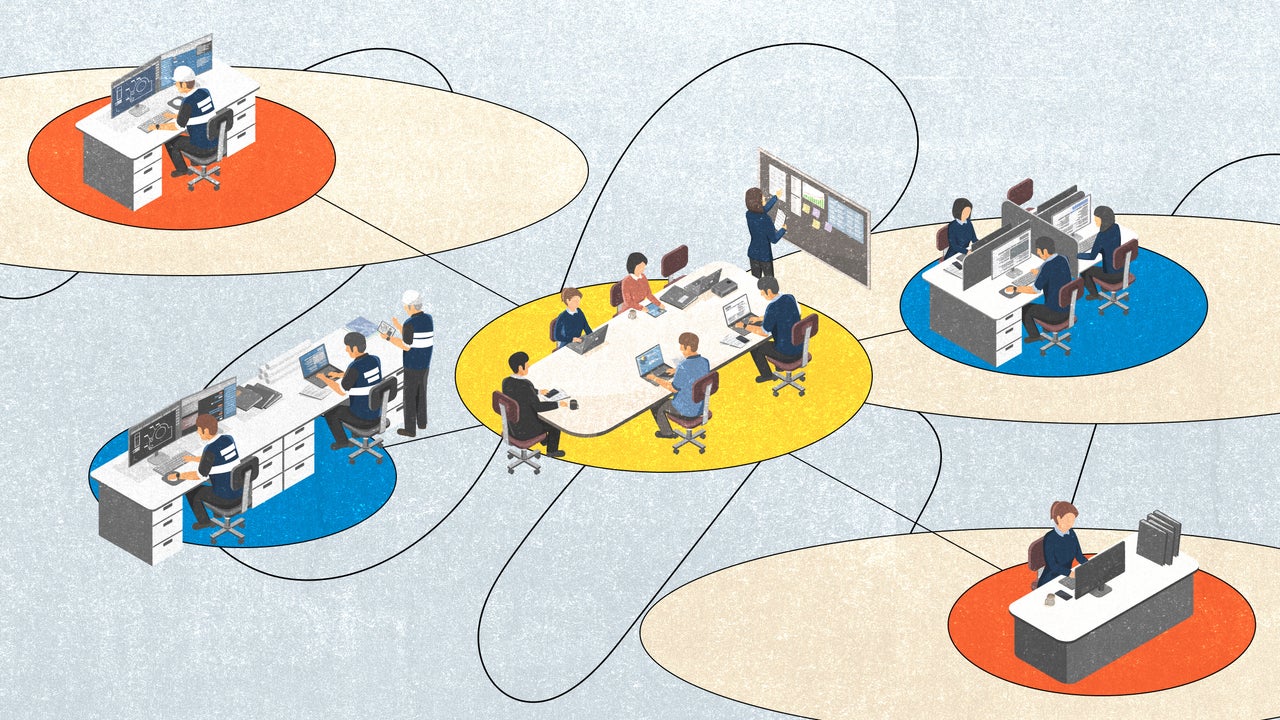
A global company's office, once filled with a lively team led by their charismatic boss, Martina, experienced a drastic change after a reorganization scattered the group across countries and departments. The energy vanished from the corner office where the team once thrived. This anecdote illustrates the profound impact people have on workplace dynamics, not the physical location itself.
Despite the ongoing debate about remote work, the focus should be on how to work rather than where to work. A study comparing remote, hybrid, and on-site employees in a large U.S. healthcare organization found similar well-being scores for all groups, suggesting that proximity doesn't necessarily equate to connection. In fact, remote employees often reported positive connections the most.
Another study found that employees working from home two days a week had higher job satisfaction and were less likely to quit, with no negative impact on performance. The key to maintaining autonomy while minimizing isolation lies in three communication skills: empathy, clarity, and energy. A manager who trusts their remote employees, communicates clearly, checks in without micromanaging, recognizes their contributions, and includes them in important decisions can foster a strong sense of belonging and competence.
Proximity bias, the tendency to favor physically closer colleagues, can lead to favoritism and overlook high-performing remote workers. Instead of debating how many days people should spend in the office, leaders should focus on the real problem: ensuring contribution, regardless of location. The solution lies in better communication and recognizing contribution wherever it happens, not just in the physical office.
Written by urgent.news from Fast Company's reporting — not their text. Machine-written — may contain errors; check the original before relying on it.