The global memory crisis will annoy everyone until 2030 at least
The memory crisis isn't going to be solved before 2030, and there's a new shortage brewing that's just going to make things worse and more expensive. Memory chips are in high demand. It's not going to get better anytime soon. - Image credit: SK Hynix Manufacturers and consumers are already dealing with the effects of high memory demand caused primarily through AI data center and infrastructure…
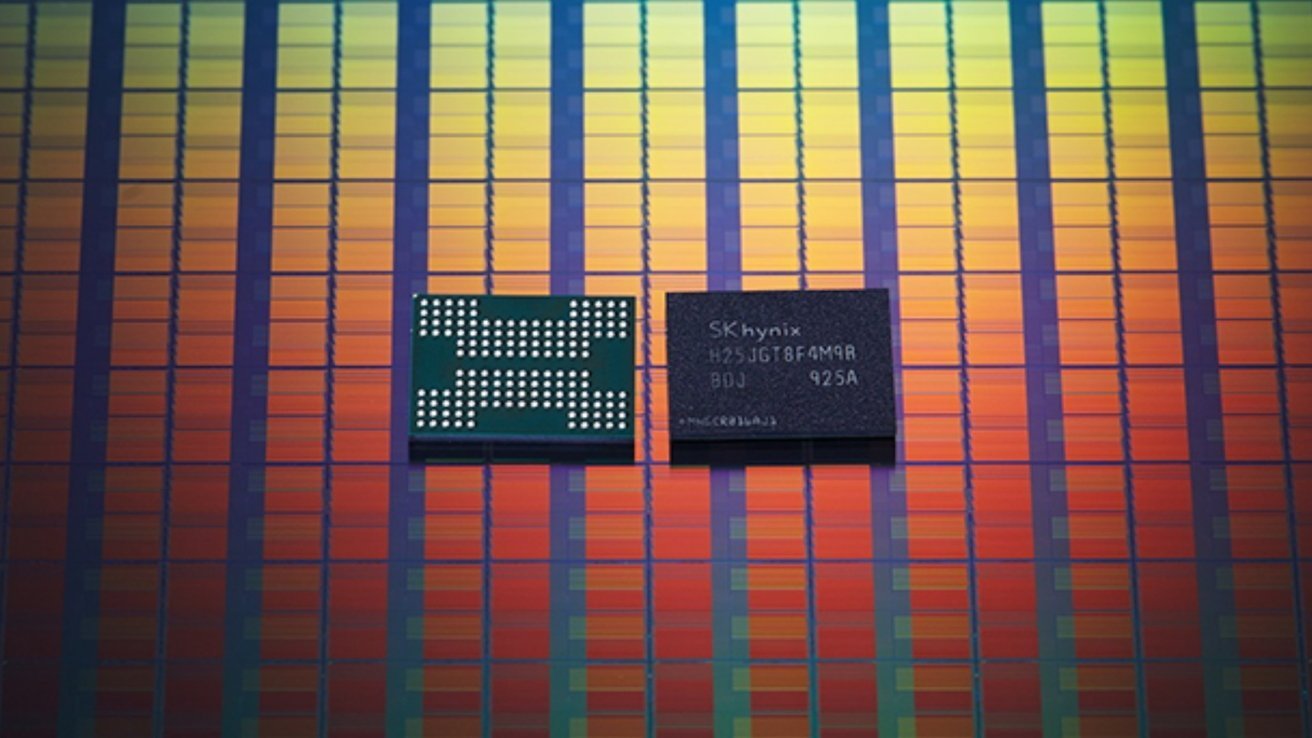
The global memory crisis is set to persist until at least 2030, with a looming shortage expected to exacerbate the issue and increase costs. As AI-driven data centers and infrastructure continue to expand, demand for memory components has surged, resulting in a critical shortage that far exceeds manufacturers' expectations. SK Hynix, a leading memory maker, reported record revenues and profits in its Q3 financial results, attributing its success to the booming AI market. However, SK Hynix acknowledges the supply shortage as a significant factor behind its high revenue.
The shortage is attributed to several factors, including the technical complexity of advanced manufacturing processes and the lengthy construction period required for new fabrication facilities. As the demand for memory is projected to continue outpacing supply through 2030, manufacturers are struggling to meet the increasing need for memory components.
This shortage extends beyond memory chips and affects other crucial components, such as printed circuit boards (PCBs), which are essential for connecting and powering AI infrastructure.
PC manufacturers, like HP and Dell, are already proactively securing their PCB supply to avoid facing the same capacity limits that have plagued the memory industry. This move by PC manufacturers will have a ripple effect on the cost of circuit boards across the industry, impacting consumers, including Apple device users. Apple, with its massive supply chain and expertise, will also attempt to secure components early to protect consumers from potential price hikes.
However, the long-term solution remains elusive, as the price increases are likely to be passed on to consumers, ultimately increasing the cost of future iPhones and Macs.
While several manufacturers are working diligently to ramp up production, the process is multi-year and will take considerable time to fully address the memory crisis. Unless a significant event disrupts AI's reliance on memory and PCB components, consumers can expect years of painful product pricing and increased costs across the industry.
Written by urgent.news from AppleInsider's reporting — not their text. Machine-written — may contain errors; check the original before relying on it.