Students return to streets as anger swells over wildfires, shrinking civic space
Students and civil society groups across Indonesia took to the streets once again on Wednesday to demand the government’s accountability over the persistent forest and peatland fires, while decrying what they say is a shrinking civic space under President Prabowo Subianto’s administration.
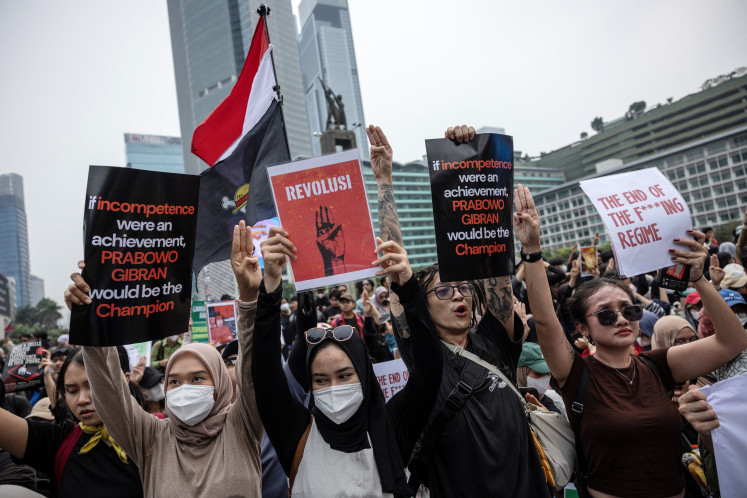
Students and civil society groups in Indonesia demonstrated in the streets once more on Wednesday, demanding accountability from the government regarding ongoing forest and peatland fires. The protest, dubbed #IndonesiaSadar (Wake Up, Indonesia), was coordinated by student unions in Jakarta and other cities and occurred on Youth Pledge Day, honoring a pledge made by Indonesian youth in 1928 regarding their nation's identity.
In Jakarta, thousands of students and various citizens gathered around the iconic Welcome Statue at Jakarta's Hotel Indonesia traffic circle, expressing their discontent with government policies perceived as not catering to public needs and serving only political elite interests. The primary concern, however, was the government's handling of wildfires and transboundary haze, an issue affecting not just Indonesia but also neighboring countries, raising health concerns domestically.
For the first time during such a protest, students marched without their traditional varsity jackets, substituting this with three-finger salutes—a symbol of resistance popularized by the movie "The Hunger Games." Various banners and posters criticized the administration's lack of accountability in addressing the fires, which have been raging in Kalimantan, Sumatra, and Papua for months.
Many also called for a national disaster declaration, which could potentially allocate more resources to extinguish the fires. Despite this, Prabowo Subianto's administration has repeatedly dismissed such calls, asserting that the government is effectively controlling the situation.
The administration's dismissiveness has only fueled the protesters' anger, highlighting the growing tension between the public and the government over their perceived inability to address critical issues effectively.
Written by urgent.news from The Jakarta Post's reporting — not their text. Machine-written — may contain errors; check the original before relying on it.