Sterilisation: the kinder answer to Malaysia’s stray problem
Animal advocates say controlling reproduction, encouraging responsible ownership and keeping better track of pets can do more than repeated cycles of capture and culling.
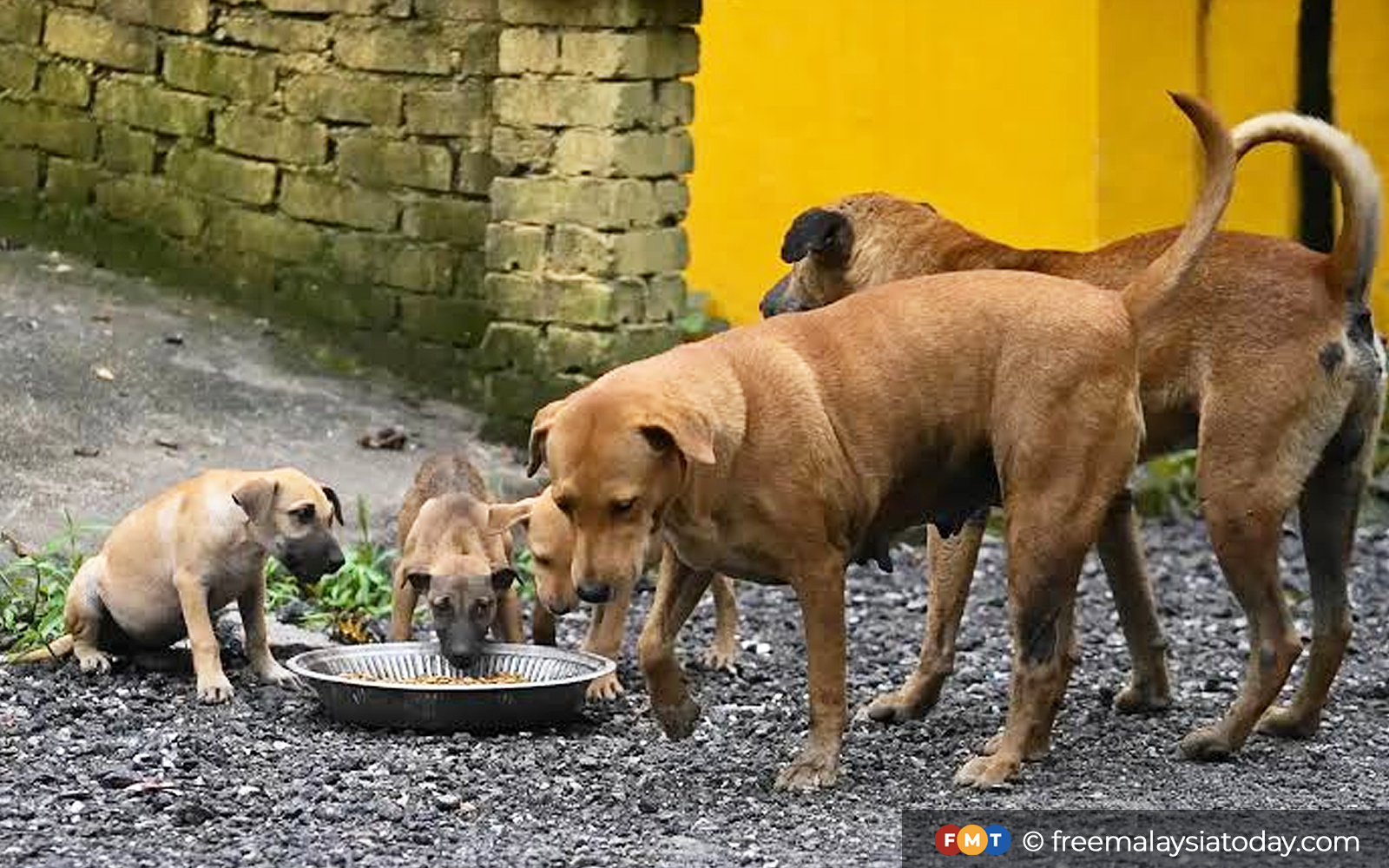
Malaysia's stray dog and cat population presents a persistent issue, with stray animals often causing concern for residents due to bites, disease transmission, and unsanitary conditions. Recognizing the importance of population control, animal welfare groups advocate for a long-term approach that prioritises sterilisation, responsible ownership, and tracking stray populations before they become uncontrollable.
Sterilisation serves as a crucial tool in managing stray animal numbers, as unsterilised females can produce multiple litters annually. Over time, this leads to rapid population growth. In Perak, a subsidised sterilisation programme has successfully desexed over 2,400 dogs and cats. The state aims to address not only the number of stray animals but also the underlying causes, such as pets roaming freely, unneutered pets, and abandonment when owners can no longer care for them.
Perak is also exploring the use of microchips for licensed dogs to facilitate the identification and return of abandoned animals to their owners. Additionally, a pilot project is mapping individuals who regularly feed stray animals, aiming to register and train these feeders to monitor populations, reduce complaints, and work towards humane solutions.
Animal welfare advocates argue that culling stray animals without addressing breeding and food sources only provides temporary relief, as the vacuum effect can lead to the influx of new animals when food and shelter remain available. They support a comprehensive approach that includes trap-neuter-vaccinate-rehome-or-release, microchipping, and population management, focusing on reducing reproduction while addressing disease risks and identifying adoptable animals.
Dr Fazhana Ismail, an agricultural science academic, emphasizes that sterilisation prevents uncontrolled breeding and may reduce roaming behaviour linked to mating. However, it must be carried out by qualified veterinarians using proper anaesthesia, pain relief, and post-operative care. Sterilisation is a long-term biological intervention and one of the most ethical methods to halt unwanted breeding cycles.
Vaccination is also crucial, especially in areas where rabies is a concern, while adoption programs can help suitable animals find permanent homes. Ultimately, Malaysia's stray animal problem is unlikely to be solved by a single measure; a combined effort of sterilisation, vaccination, identification, adoption, and responsible ownership is necessary to effectively manage the issue.
Written by urgent.news from Free Malaysia Today's reporting — not their text. Machine-written — may contain errors; check the original before relying on it.
This story
This is one outlet's version. Read the fullest account.
- Sterilisation: the kinder answer to Malaysia’s stray problem freemalaysiatoday.com