SK Hynix says the memory-chip shortage will last until 2030—and more than half its production is booked for the next two years
SK Hynix generated $78.3 billion in quarterly revenue, its highest-ever quarterly total.
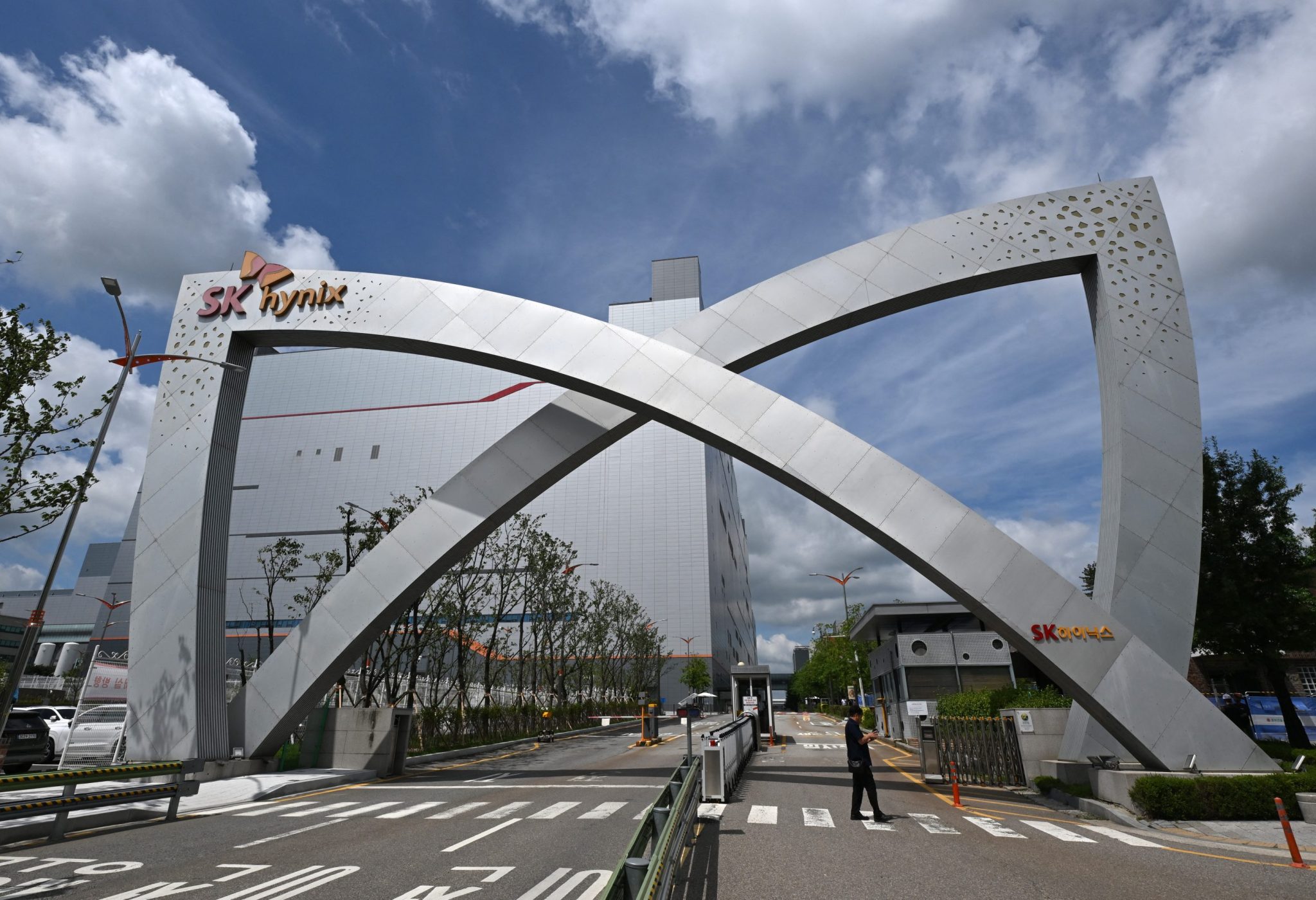
SK Hynix, the world's second-largest memory chip maker, predicts that the global memory shortage will continue until 2030, causing more strain on electronics companies and data center operators relying on these critical components. The South Korean firm reported a record quarterly revenue of 104.6 trillion Korean won ($78.1 billion), a 32% increase from the previous quarter.
Operating profit reached an all-time high of 83.3 trillion won ($62.1 billion), a 38% jump from the prior period. The success is primarily attributed to robust demand for advanced memory products, specifically high-bandwidth memory (HBM), commonly used in conjunction with AI accelerators. The company has secured commitments covering over half of its production capacity for 2027 and 2028, as disclosed in its earnings presentation.
SK Hynix plans to invest at least 40 trillion won ($30 billion) in additional capacity this year, up from approximately 30 trillion won ($23 billion) in 2025. The memory shortage has adversely affected electronics manufacturers, making price hikes more likely for smartphone, PC, and game console producers. Additionally, SK Hynix plans to return a total of 100 trillion won ($75 billion) to shareholders, further bolstering the previous 40 trillion won ($29.8 billion) buyback announced earlier this year.
Much of the cash gains stem from a one-off investment return from SK Hynix's stake in Kioxia, formerly Toshiba's memory chip division. CEO Kwak Noh-Jun emphasized that the company aims to share the majority of profits from strategic investments with shareholders. SK Hynix's shares surged by 10.9% on Wednesday following the earnings announcement, while Samsung Electronics also rose 9%.
The broader KOSPI index increased by 6.6%. The positive earnings report contributed to a rally in tech and chip stocks across Asia, fueled by a successful IPO filing by Anthropic earlier that week. Despite the positive news, SK Hynix's shares have declined by more than 50% from their mid-year peak. The company's shares, along with AI-related stocks, have faced pressure due to concerns about potential AI spending slowdowns caused by ongoing bottlenecks in data center construction and apprehensions over returns.
In October, SK Hynix postponed the IPO for its U.S. subsidiary, Solidigm, citing market volatility and the decline in semiconductor stocks. A potential AI spending slowdown could also negatively impact South Korea, as the nation's exports have soared thanks to the AI boom, exceeding $800 billion between January and September, surpassing the total for all of 2025.
The Bank of Korea projected that exports may drop by up to $100 billion, falling short of earlier estimates, if major U.S. tech companies reduce their infrastructure spending.
Written by urgent.news from Fortune's reporting — not their text. Machine-written — may contain errors; check the original before relying on it.
This story
This is one outlet's version. Read the fullest account.