Should AI Decide Your Court Case? This Judge Says Yes
One of England’s top judges, Geoffrey Vos, believes that AI could adjudicate plenty of civil cases. The question, he says, is where the line should be drawn.

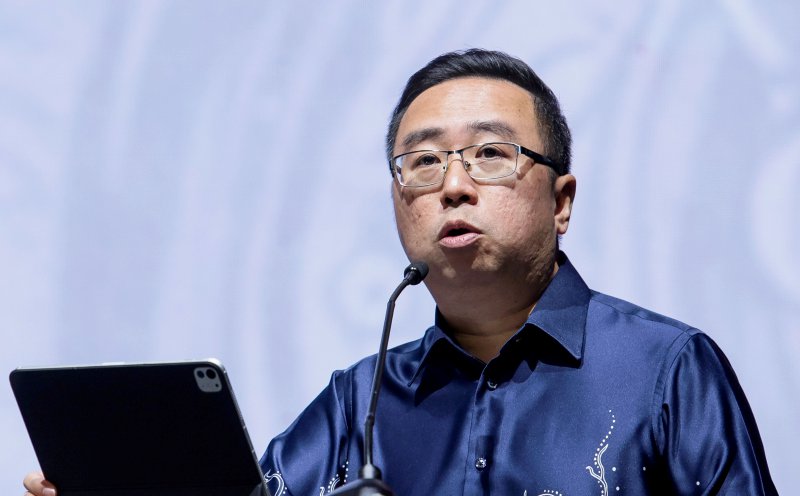
Judge Geoffrey Vos, the Master of the Rolls, is advocating for greater use of artificial intelligence in the English civil justice system. As he prepares to retire, Vos aims to spark a debate on the role of AI in courts. Currently, judges are advised to limit AI use to administrative tasks, but Vos has firsthand experience using Microsoft Copilot to locate documents and summarize text. Impressed by a Chinese court where AI significantly aids judges, Vos believes other jurisdictions should adopt similar practices.
However, the integration of AI presents challenges. Lawyers have been caught citing fabricated case law, and a recent case saw a lawyer lose their license for misusing AI. Meanwhile, litigants are generating a surge of claims, some dubious, by using chatbots. Despite these concerns, Vos remains optimistic about AI's potential to expedite and lower the cost of civil disputes.
He suggests that AI could handle personal injury claims, low-value professional negligence cases, and other routine matters more efficiently than human judges. While he acknowledges the need for a line to be drawn, Vos emphasizes that resolution remains a critical desire for most civil dispute parties.
Vos's transition into retirement coincides with AI's increasing presence in the legal field, prompting a philosophical conversation about the future of the justice system. As the conversation with WIRED editor-in-chief Adrian Covert concludes, the rapid evolution of technology forces both practitioners and coders to adapt to a new era.
Written by urgent.news from Wired Business's reporting — not their text. Machine-written — may contain errors; check the original before relying on it.