SEBI Chair bats for speed amid criticism of separation of powers
Self-listing of the exchanges on their own platform would conflict with regulatory role
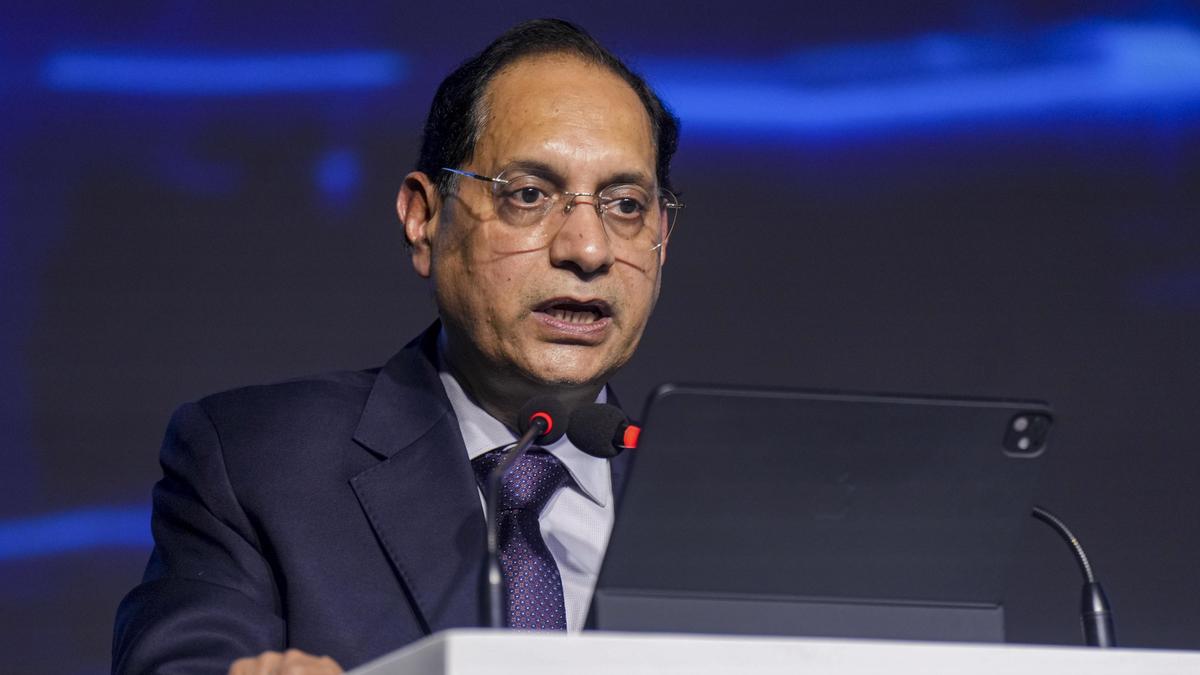
SEBI Chairperson Tuhin Kanta Pandey emphasized the need for prompt action in safeguarding market accountability, amid concerns over the concentration of power within the market regulator, in the context of the Securities Markets Code (SMC). Addressing queries at a media event in Mumbai on Wednesday, Pandey refrained from taking a stance on SEBI's submission of responses to the Parliament regarding the SMC's provisions that restricted SEBI's spending from its general fund.
Pandey also commented on criticisms suggesting that SEBI's dual role as a regulator, making and enforcing rules, and penalizing violators contravened the principle of separation of powers, a fundamental constitutional structure. He clarified that regulatory systems, including those in India and elsewhere, are designed to respond swiftly to market needs, maintaining the principle of separation of powers. The investigation function and the officers involved in it do not determine the quasi-judicial role, Pandey asserted.
Addressing other concerns, Pandey discussed liquidity in markets, regulations for derivatives, and self-listing of exchanges. He explained that exchanges operating as regulators on their platforms could conflict with their regulatory role, and self-listing would not align with this purpose. Regarding the delisting of shell companies and overhauling the SME IPO framework, he underscored SEBI's commitment to improving the liquidity of small stocks.
On regulating Futures and Options (F&O), Pandey stated that SEBI did not aim to be overly directive, focusing instead on guiding rather than dictating actions. He questioned the feasibility of reviving exchanges like the Kolkata Stock Exchange, emphasizing that while regulation does not preclude the possibility of new exchanges, factors such as liquidity, business plans, and feasibility must be considered.
In the age of electronic trading, Pandey posited, there is no necessity for exchanges to be physically located in specific regions.
Written by urgent.news from Hindu BusinessLine's reporting — not their text. Machine-written — may contain errors; check the original before relying on it.