Panvel: Corporator Rajendra Sharma Urges PMC To Survey Wells, Borewells Amid Rising Water Demand
Panvel, October 27, 2026: With rapid urbanisation and rising water demand, corporator Rajendra Sharma has urged the Panvel Municipal Corporation (PMC) to conduct a comprehensive survey of wells, borewells and other groundwater sources across its jurisdiction to assess water availability and identify areas vulnerable to shortages. In a memorandum submitted to Mayor Nitin Patil and Municipal…
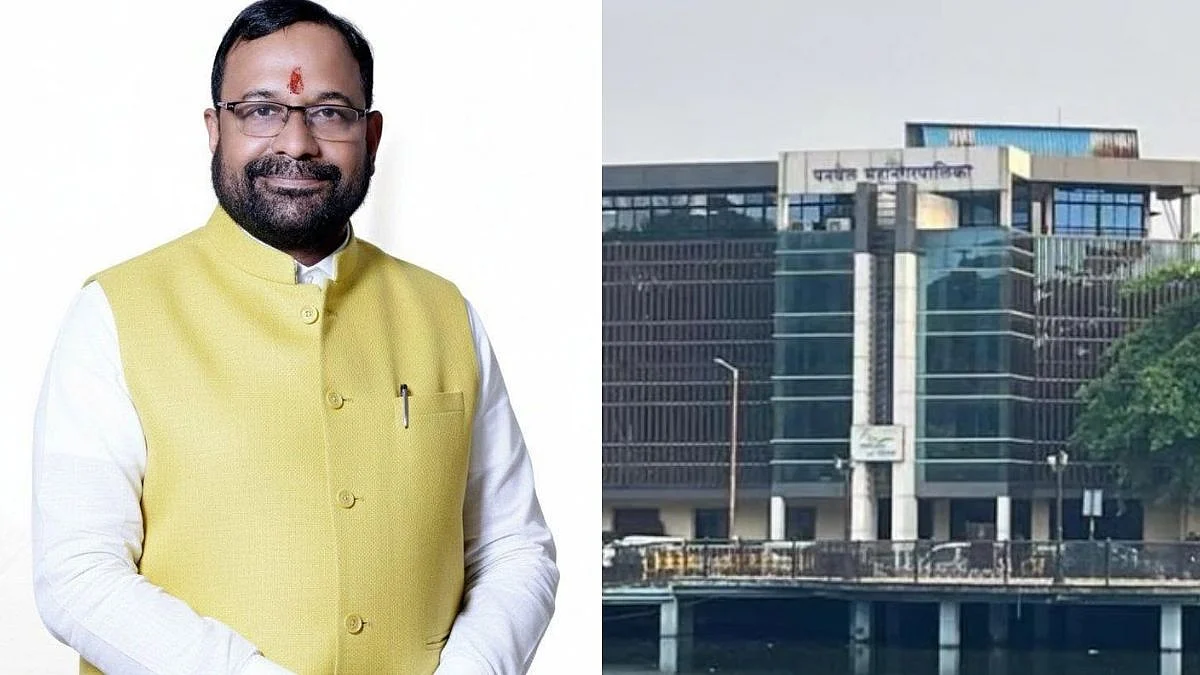
Panvel, October 27, 2026 - Rapid urbanisation and increasing water demand have prompted corporator Rajendra Sharma to request the Panvel Municipal Corporation (PMC) to conduct a thorough survey of wells, borewells, and other groundwater sources throughout the city. In a memorandum addressed to Mayor Nitin Patil and Municipal Commissioner Mangesh Chitale, Sharma proposed registering and mapping all public and private wells and borewells to evaluate their condition and measure groundwater levels, especially during the summer months.
This exercise aims to help the civic body identify dependable alternative water sources ahead of potential shortages. The survey should categorize water sources into three groups: those that remain functional year-round, those that dry up during the summer, and those that are presently unused. Additionally, experts from the Groundwater Surveys and Development Agency (GSDA) should be enlisted to assess groundwater reserves and the recharge potential of various locations.
The findings would enable the city administration to pinpoint water-scarce neighbourhoods and prioritize areas necessitating intervention. Furthermore, the memorandum emphasizes that new public borewells should not be drilled without first assessing groundwater availability at the designated sites, their potential extraction volume, and the impact on nearby wells.
Instead, the PMC should focus on reviving existing wells wherever possible. The proposed survey would also assess groundwater quality, with samples from public wells and borewells tested at accredited laboratories for chemical contaminants and microorganisms like E. coli. Sources at risk of industrial or other pollution would undergo additional testing, with alternative supplies or suitable treatment arrangements for contaminated sources.
Sharma has outlined a phased implementation schedule for the survey. The PMC should compile an initial inventory of water sources within 15 days, conduct inspections and water quality testing of priority sources within 30 days, and develop ward-specific water security action plans within 45 days. Projects that secure the required technical and administrative approvals should commence in stages within 60 days.
Each ward-level plan should outline groundwater levels, water availability, vulnerable areas, potential sites for groundwater recharge, infrastructure requirements, and estimated costs. Lastly, the memorandum suggests forming a joint technical committee comprising the PMC, GSDA, district administration, and potentially CIDCO, MIDC, and other pertinent agencies.
This comprehensive approach aims to provide the civic body with data-driven insights into groundwater resources, enabling informed planning for alternative water supplies during summer shortages or disruptions due to dam-level declines and pipeline failures.
Written by urgent.news from Free Press Journal's reporting — not their text. Machine-written — may contain errors; check the original before relying on it.