Our cities are polluted, with or without haze
Air pollution is not just seasonal haze but a year-round consequence of car dependence, exposing millions to invisible health risks.
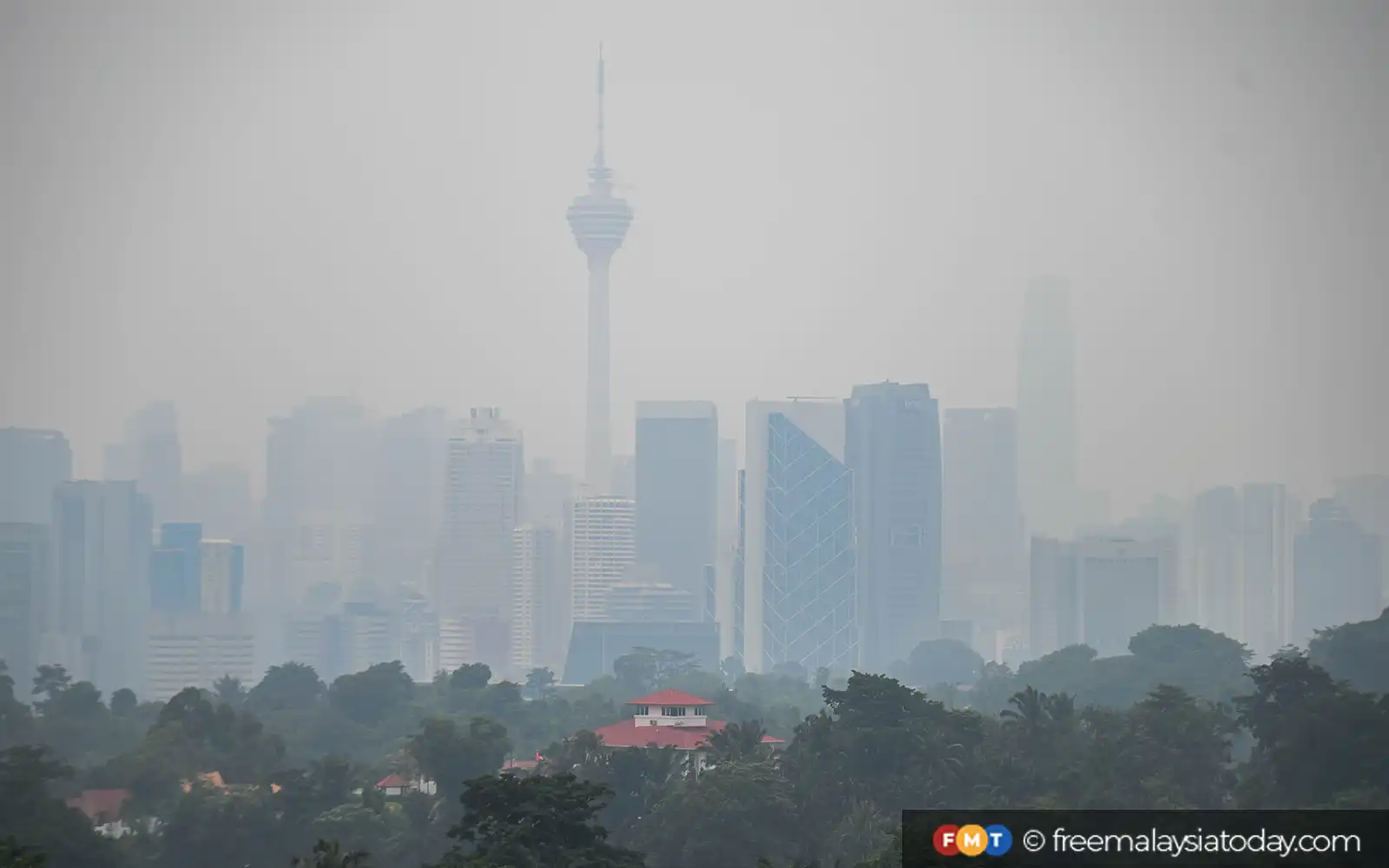
In recent times, a friend shared a photograph on social media that showcased the return of blue skies and improved air quality after weeks of haze. The sight of a clear sky initially appeared uplifting, but what stood out was the presence of a sprawling low-density suburb dotted with a ten-lane highway filled with traffic. This image highlighted a contradiction that has become commonplace: the visibility of the blue sky leads us to assume the air is clean, and the "good" rating suggests the danger has passed.
However, the most significant sources of harmful air pollution often remain hidden from view. Vehicle emissions contribute up to 70% of urban air pollution, yet they are rarely treated with the same urgency as seasonal forest fires. The air pollution we fear and take action to mitigate is often unseen and underestimated. While haze triggers protective measures such as keeping children indoors, using N95 masks, and worrying about long-term health effects, year-round exposure to invisible pollutants like microscopic particulates, nitrogen dioxide, and ground-level ozone goes unnoticed.
These pollutants penetrate deep into our lungs and bloodstream, causing asthma, impaired lung development, cardiovascular disease, stroke, and dementia. Yet, due to their slow accumulation, these health risks are often considered an unavoidable part of modern life. Children are particularly vulnerable as they pass through rows of idling vehicles while waiting at school gates.
The health hazards of traffic pollution are not limited to outdoor spaces; many people underestimate the danger inside their vehicles. Inside a car, ventilation systems draw in exhaust fumes from surrounding vehicles, often creating pollutant concentrations higher than those reported by monitoring stations. We often believe our vehicles offer protection from the pollution we create, but in reality, we are contributing to the problem.
The burden of traffic pollution is not shared equally; millions of people live near major roads and expressways, and even with closed windows, fine particles can infiltrate indoor spaces. Chronic exposure to traffic noise, generated by heavily modified cars and motorcycles, has been linked to various health issues such as hypertension, heart disease, stroke, hearing damage, stress, anxiety, sleep disruption, and impaired childhood development.
Despite advancements in electric vehicles, which eliminate tailpipe emissions and reduce noise, they still contribute to pollution through tyre wear, brake dust, and road-surface abrasion. Replacing all petrol vehicles with electric ones would reduce exhaust fumes but would not eliminate road-based pollutants. Truly addressing urban air pollution requires a fundamental shift in our approach to transportation.
It necessitates designing cities where walking, cycling, and public transportation are the default choices rather than desperate alternatives. Prioritising human health over vehicular throughput, building wide pedestrian corridors free from traffic, reallocating road space to efficient bus networks, and creating densely populated, walkable neighbourhoods can significantly reduce our dependence on private motor vehicles.
The challenge lies not only in achieving cleaner air but also in recognising the hidden costs of our car-dependent lifestyle. These costs are paid with our health, peace, and quality of life. Only by acknowledging these costs can we begin the work of eliminating them.
Written by urgent.news from Free Malaysia Today's reporting — not their text. Machine-written — may contain errors; check the original before relying on it.
Also reported by 1 other outlet
- Our cities are polluted, with or without haze freemalaysiatoday.com