Otter adds ‘Work’ mode to automate more meeting-related tasks
Otter has added a new Work mode to its AI Chat assistant, expanding the range of tasks it can carry out before and after meetings. It’s part of a wider drive by Otter — which received $320 million in funding last week — to move beyond meeting transcription and into automating tasks and workflows. The Work interface, announced Tuesday, is accessible in the AI Chat prompt box, alongside the Chat…
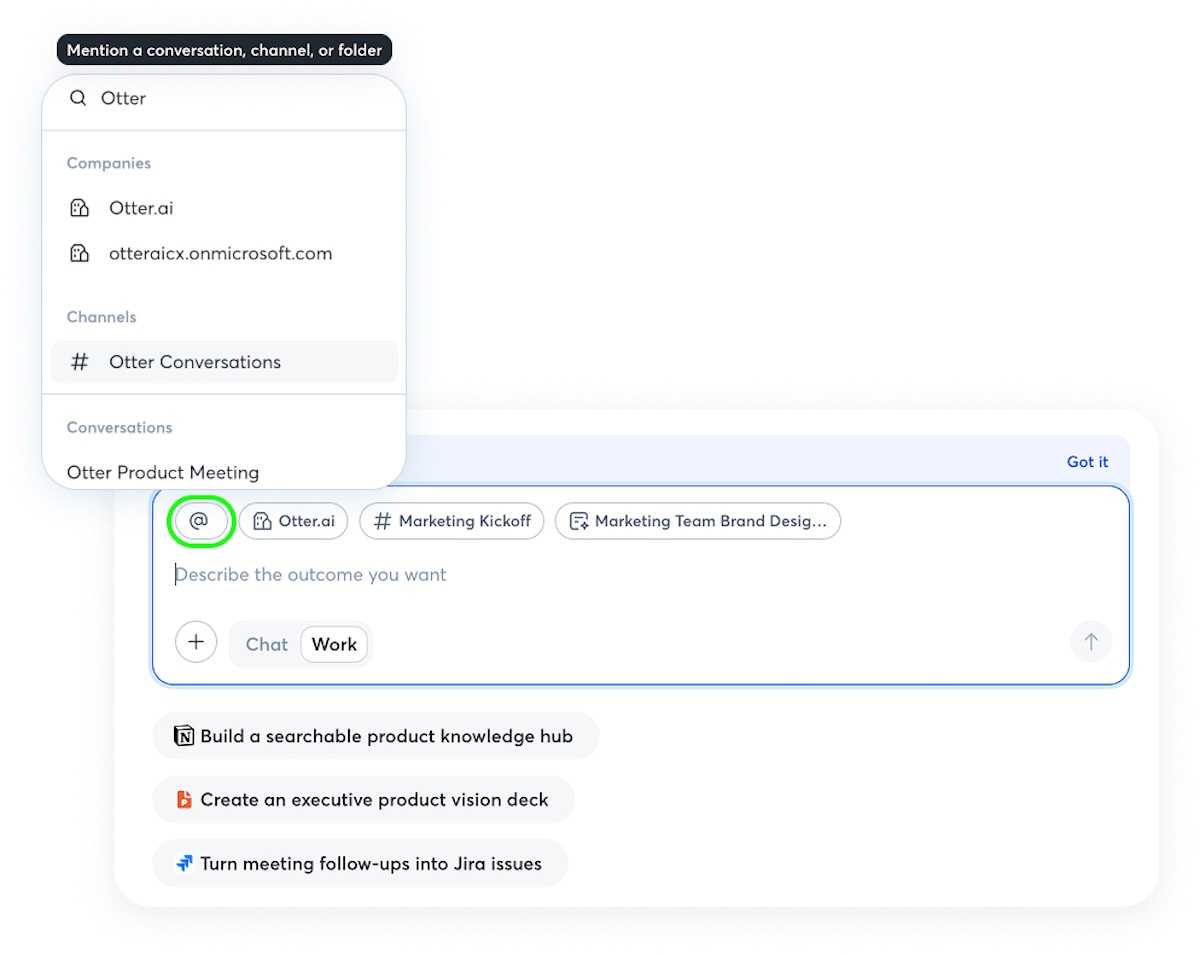
Otter has introduced a new Work mode for its AI Chat assistant, broadening the assistant's capabilities to automate tasks and workflows before and after meetings. This addition is part of Otter's broader strategy to transition from merely transcribing meetings to automating tasks and workflows. The Work interface can be accessed alongside the Chat option in the AI Chat prompt box.
While Chat enables users to ask questions, generate content, and retrieve information, Work is designed for multi-step actions. Otter's AI assistant can generate briefing documents before meetings based on previous calls and data from linked applications. Post-meetings, the AI can draft emails, create documents, including Word, Notion, PDF, and interactive web pages, and update Salesforce records.
However, each task requires human approval before execution. Otter will phase out the Express and Advanced modes in the AI Chat interface. The Work mode is now available to all paid Otter users without any usage limits. Irwin Lazar, a principal analyst at Metrigy, notes that companies are moving from merely capturing meeting notes to making them actionable based on context from within and outside meetings.
Similar functionality is also emerging in other platforms such as Microsoft Teams and Cisco Webex. While 91% of business users want meeting note-takers to access and act on context from outside meetings, Otter faces competition from other vendors integrating AI capabilities into their platforms. Despite this, the new functionality is expected to be of great assistance to existing users of Otter.
Written by urgent.news from Computerworld's reporting — not their text. Machine-written — may contain errors; check the original before relying on it.