Optimise readiness as Super El Nino looms
LETTERS: The Meteorological Department expects a Super El Nino, with an index above 2.5, stronger than the 1997/98 and 2015/16 episodes, to bring extreme heat between March and May next year.
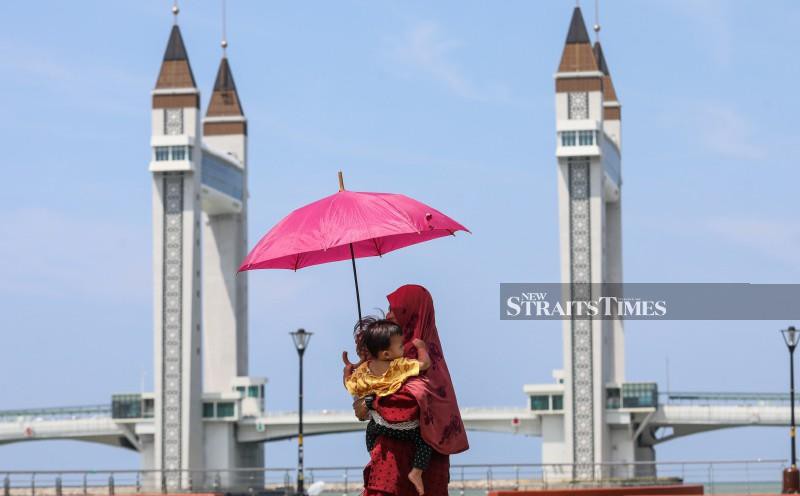
The Malaysian Meteorological Department anticipates a Super El Niño event, characterized by an index exceeding 2.5, surpassing both the 1997/98 and 2015/16 occurrences. This will result in unusually high temperatures, potentially reaching 41°C or greater, potentially breaking the national record of 40.1°C established in Chuping, Perlis, back in 1998.
From a consumer-protection standpoint, this situation is not merely about weather; it's a matter of safety, affordability, fair trade practices, and access to essential services. Given that most individuals will experience this heat within structures managed by others, it also represents a facility management issue. Household electricity bills will likely increase, sometimes significantly, causing many families to be taken aback by the sudden surge.
The demand for cooling appliances is expected to surge, leading to the temptation to purchase cheap, inefficient units or hire unqualified installers, which will only result in higher operational costs. Bottled water, ice, and fans may also experience opportunistic price hikes. Food spoilage will occur more rapidly in the heat, intensifying the need for stringent cold-chain discipline at food courts, hawker centres, and supermarkets.
The impact is particularly severe on those with limited resources: lower-income households, the elderly, outdoor workers, patients, and young children. Hospitals and clinics must take precautions to prevent cooling failures, as heat exhaustion and heat stroke will add to the strain on emergency department queues. Schools, universities, and childcare centers have a responsibility to provide clear plans for assemblies, physical education classes, examinations, and drinking water.
Shopping malls will function as the nation's unofficial cooling centers and should be prepared for increased crowds, longer queues for restrooms and parking, and higher demand for seating and water. Offices and workplaces will face uncomfortable environments, disputes over thermostat settings, and genuine occupational heat risks for security guards, cleaners, and landscape workers.
Building owners and operators should service chillers and cooling towers before the onset of the heat, fix leaks, add shading, and establish reasonable indoor temperatures of approximately 24°C. Buildings should also ensure storage for at least a day or two of essential demand, arrange tanker contingencies, and communicate early and clearly with occupants in case of supply disruptions.
Hospitals and schools should be prioritized. While Malaysians cannot alter the weather, they can insist on the readiness of the places where they receive treatment, education, services, and employment. ARIVAGARA PAVITHRAN SUBRAMANIAM, Deputy President of the Malaysian Association of Standards Users, emphasizes that the responsibility lies with each of us to ensure that the environments we engage with are prepared for the impending heat.
Written by urgent.news from New Straits Times's reporting — not their text. Machine-written — may contain errors; check the original before relying on it.