On this day: the birth of Bernie Ecclestone
On 28 October 1930, Bernie Ecclestone, the man who would create modern Formula 1 was born, writes Eliot Wilson It is now reckoned that only four people remain alive who participated in a Formula 1 World Championship weekend before 1960. Formula 1 was in transition: rear-engined cars were beginning to dominate the category and so [...]
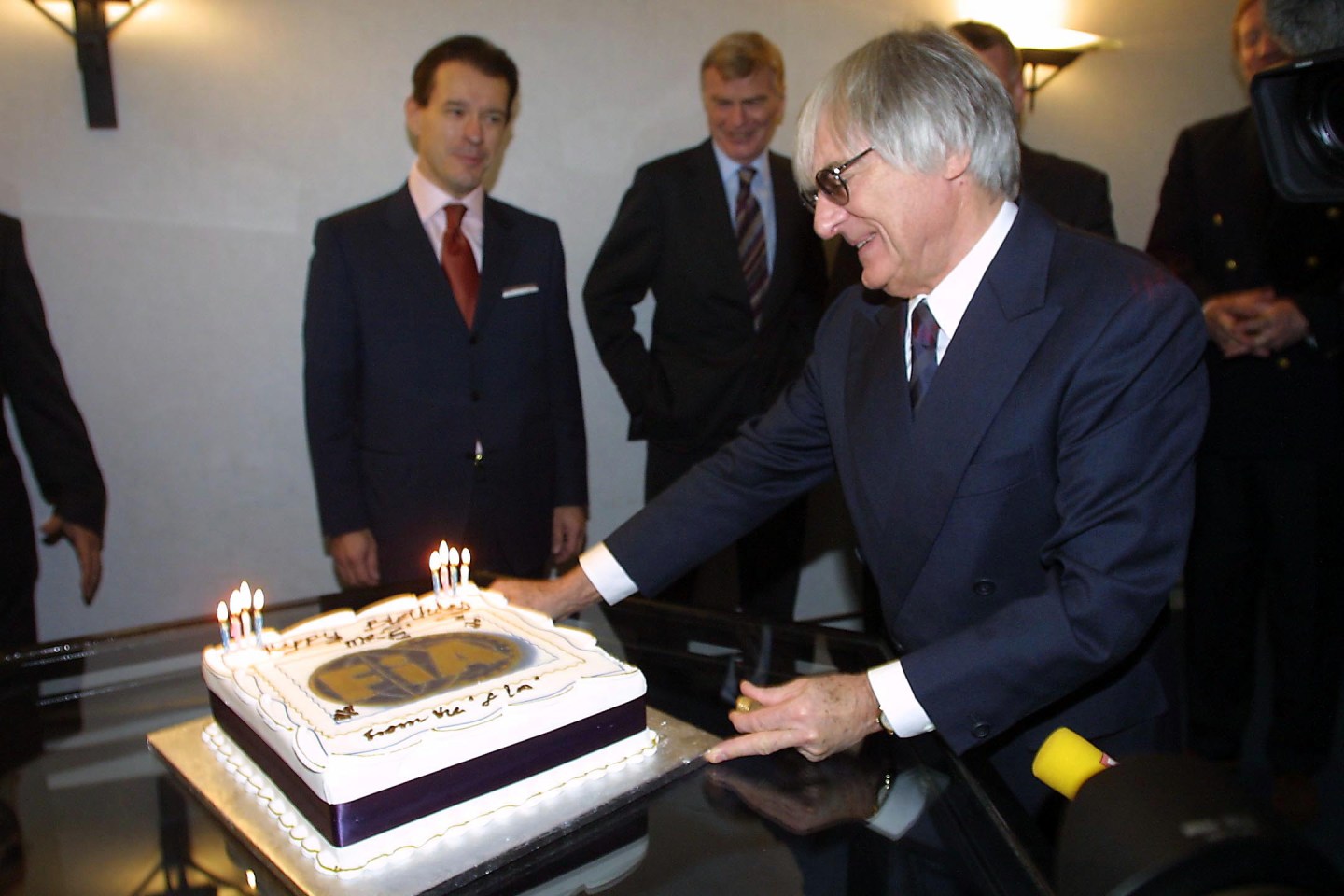
Bernard Charles Ecclestone, who would go on to create modern Formula 1, was born on 28 October 1930. At the time, Formula 1 was undergoing a transition, with rear-engined cars starting to dominate the category and independent teams building their own cars, often without engines. Among those present at a Formula 1 World Championship before 1960 are four people, all now deceased.
Bernard Ecclestone's career bore the mark of his humble roots. He was born in Suffolk and grew up in Bexleyheath in a poor family. His father was a trawlerman and his mother managed the household during his frequent absences. Ecclestone left school at 16 and had a passion for motorcycles, beginning to earn money by selling mechanical parts.
He was a hustler, persuasive and charismatic, a characteristic of those post-war years. Ecclestone's fleeting appearance in a Formula 1 car was accidental. In 1957, he began managing Stuart Lewis-Evans, who raced for the works Connaught team at the Monaco Grand Prix. He then joined Vanwall, but the car was fragile and results disappointing.
Ecclestone was shocked when Lewis-Evans crashed and died six days later. Despite his early setback, Ecclestone couldn't stay away from racing. In 1969, he became de facto manager for Jochen Rindt, who won the World Championship that year. In 1971, Ecclestone bought the Brabham team, shaping it to his vision of modern Formula 1, including stopping selling chassis to customers, hiring Gordon Murray, and forming major manufacturer partnerships.
Finally, Ecclestone established the Formula One Constructors' Association (FOCA) in 1974, believing the Fédération Internationale du Sport Automobile (FISA) had too much power and the teams too little. His leadership and business acumen led to significant victories for FOCA and marked the beginning of modern Formula 1.
Written by urgent.news from City AM's reporting — not their text. Machine-written — may contain errors; check the original before relying on it.