What needs to change in research
All the research institutes pointed to Flávio Bolsonaro as the winner of Sunday's election. Prediction markets were even more optimistic about the senator: platforms like Polymarket and Kalshi even assigned probabilities of over 80% to his victory.
Brazilian President Lula was re-elected with 51.79% of valid votes, a 4.4 million vote lead, surprising most research institutes who had predicted Flávio Bolsonaro's victory. Institutes such as Ibope and Ipsos cited factors like rapid changes in voter opinion, difficulties in measuring voter turnout, and the impact of social media on voters.
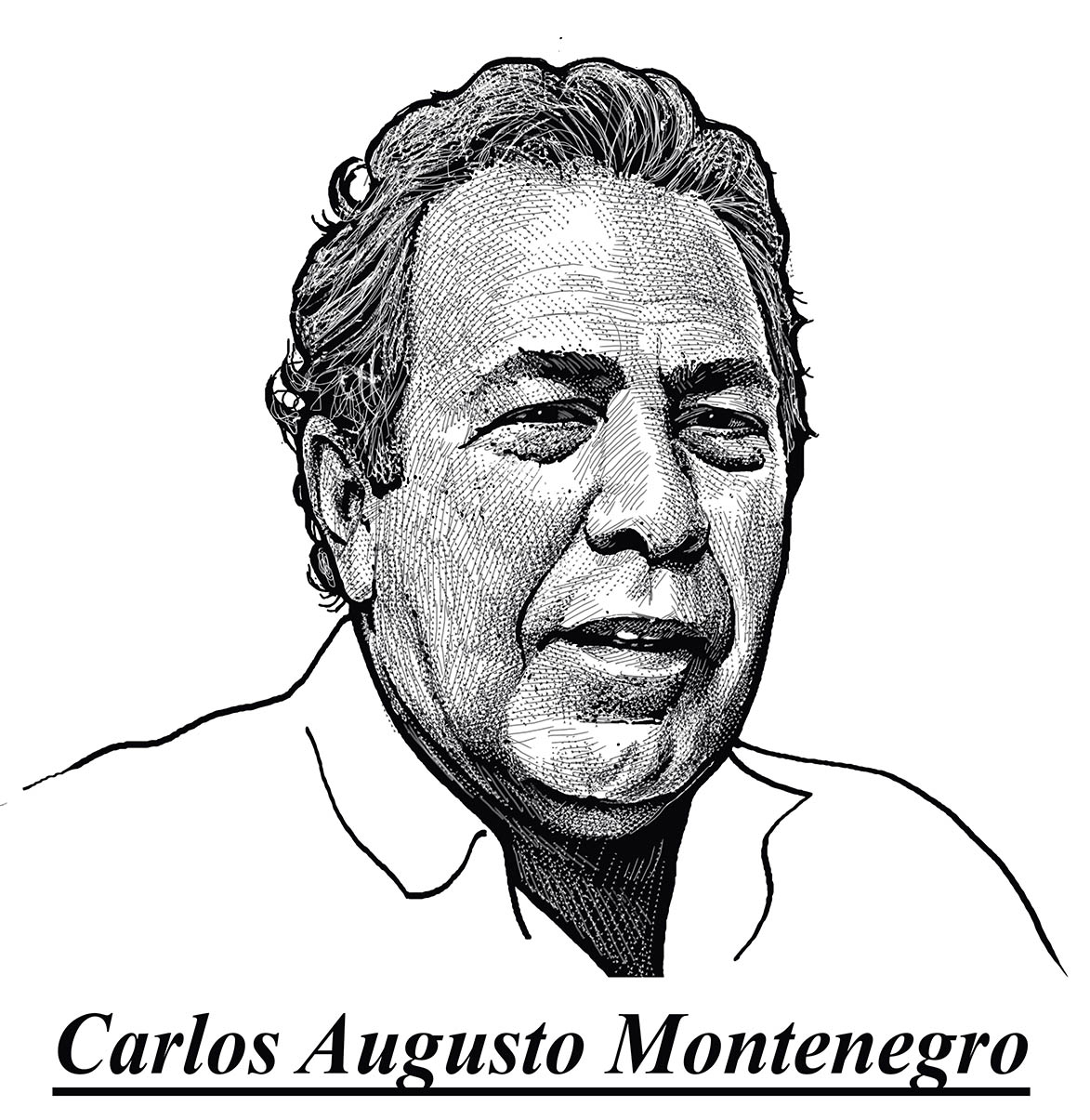
Some experts, including Carlos Augusto Montenegro and Renato Meirelles, suggest combining different methodologies and gathering more continuous data to improve the accuracy of future polls. Clifford Young of Ipsos notes that the industry may need to reassess its methods, particularly in capturing differential turnout, where voter mobilization affects election results.
Written by urgent.news from Brazil Journal's report — not a translation of it. Machine-written — may contain errors; check the original before relying on it.