New taxes in Russia fuel tensions between Kremlin and big business – intelligence
Russian businesses are demanding a review of tax changes amid concerns over declining investment and capital outflows.
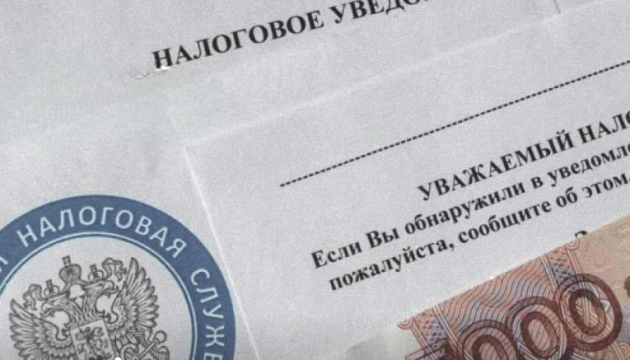
Ukrainian Foreign Intelligence Service disclosed Russia's internal tensions between the Kremlin and major businesses, according to Ukrinform. Alexander Shokhin, head of the Russian Union of Industrialists and Entrepreneurs, has proposed amendments to tax bills to Prime Minister Mikhail Mishustin before the second reading. The new rules are seen by businesses as a burden that will violate a promise to maintain stable taxes until 2030, the statement read.
The intelligence agency reminded Russia had previously increased taxes on corporate profits, personal income, and VAT. The oligarchs' trade union opposes a 30% tax on mining companies' excess profits, projected to generate $8.3 billion for the state budget in 2027-2029. The RSPP suggests temporarily raising the corporate profit tax from 25% by 0.5-1 percentage point, potentially raising between $5.9 billion and $11.9 billion in revenue.
Russian businesses also demand increasing the maximum federal investment tax deduction from 3% to 10-12%, as actual investment in the Russian economy dropped by 4.6% in the first half of 2026. The taxation of passive income is another concern, with the combined tax on corporate profits and dividends potentially reaching 42%, decreasing financial instruments' attractiveness and increasing capital outflows.
The RSPP opposes taxing investment funds at 15%, arguing that profit margins of 20-30% could absorb 50-75% of profits. Alternatives include taxing income at the investor level or delaying the new rules. Businesses request tax breaks for companies safeguarding their property against drone attacks, including exemptions from property tax for relevant facilities and the ability to count mandatory spending on critical infrastructure protection twice for tax purposes.
The RSPP's demands reveal the conflict between the state's budget replenishment needs and businesses' ability to finance growth. Unpredictable tax rules could slow enterprise modernization and shrink the future tax base, undermining confidence in the government and compelling companies to postpone long-term projects.
Written by urgent.news from Ukrinform - Economy's reporting — not their text. Machine-written — may contain errors; check the original before relying on it.