Mengapa belia Malaysia tidak turun ke jalanan
Penganalisis politik Khoo Ying Hooi berkata belia Malaysia belum mempunyai gerakan bebas yang kukuh dan berterusan untuk memperjuangkan tuntutan ekonomi.
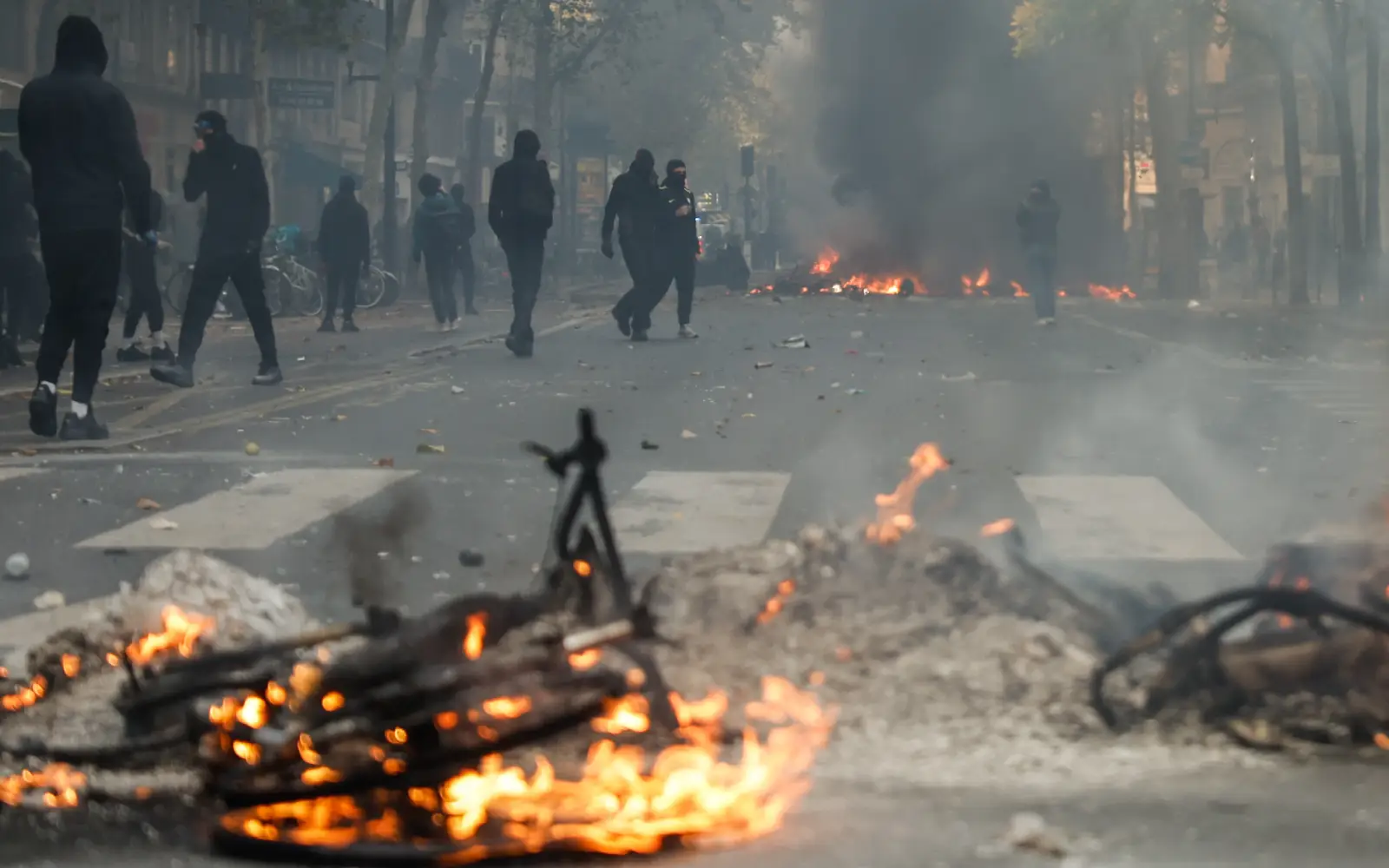
Malaysia's youth are not taking to the streets despite facing numerous issues similar to those that sparked protests in European countries, such as low wages, unaffordable housing, rising living costs, and education problems, according to political analyst Khoo Ying Hooi from the University of Malaya. While many young Malaysians share the same concerns as their European counterparts, the country still lacks a well-structured and sustained youth movement, particularly in addressing economic issues.
Khoo, also a professor of international relations and human rights, attributes this to the long history of limited youth activism and a culture of cautiousness in Malaysia. She believes that the current political uncertainty and growing skepticism towards political institutions are more significant factors than the protests themselves.
For young Malaysians, particularly those raised witnessing frequent political conflicts and unfulfilled promises, the idea of participating in politics may not necessarily lead to meaningful change. Many young Malaysians are already disillusioned with politics, especially after high hopes following the 2018 general election turned into disappointment and unfulfilled promises.
Khoo emphasizes that the absence of large-scale demonstrations does not mean that young Malaysians are disengaged from politics. They still express their discontent through social media, issue-based campaigns, electoral participation, and community activities. However, expressing discontent and building a sustained movement are two different things.
Social media can attract attention quickly, but it does not necessarily develop into a lasting organization or ongoing political pressure. Young Malaysians may currently feel disillusioned with politics but lack the connection to the collective organizations needed to drive large-scale mobilization. History shows that youth movements in Malaysia, from student activism in the 1970s to the Reformasi and Bersih campaigns, did not emerge spontaneously.
Instead, they require continuous organization, shared demands, and the ability to build cooperation among various social and community groups across different backgrounds and social classes. Addressing economic issues, such as personal financial struggles, connecting them to broader concerns like wages, housing, inequality, and economic opportunities, is crucial.
Khoo suggests that building connections between student activists, working youth, labor unions, civil society organizations, and communities from diverse backgrounds and social classes is essential. In the meantime, Syaza Shukri from Universiti Islam Antarabangsa Malaysia (UIAM), who studies the behavior of young Malaysians, notes that dissatisfaction with living costs remains controlled, partly due to the government's attention to people's concerns.
She cites the increase in financial assistance announced in the 2027 budget as an example, while acknowledging that Malaysia has not yet reached a level of economic hardship that would prompt large-scale street protests. From a cultural perspective, especially among Malays, there is a teaching that being overly anxious is worse.
Syaza believes that young Malaysians are more comfortable expressing their discontent online than participating in protests that could put them at risk of arrest. However, she adds that economic issues such as low wages and rising living costs could become major political concerns, particularly if addressed by opposition parties. Much depends on whether the public feels their concerns are genuinely being heard.
Written by urgent.news from Free Malaysia Today's reporting — not their text. Machine-written — may contain errors; check the original before relying on it.
This story
This is one outlet's version. Read the fullest account.
- Mengapa belia Malaysia tidak turun ke jalanan freemalaysiatoday.com