Maharashtra: A 'data hub' of rising power cuts | Part 1
Behind Maharashtra’s push for data centres lies increasing power outages and apathy towards its people
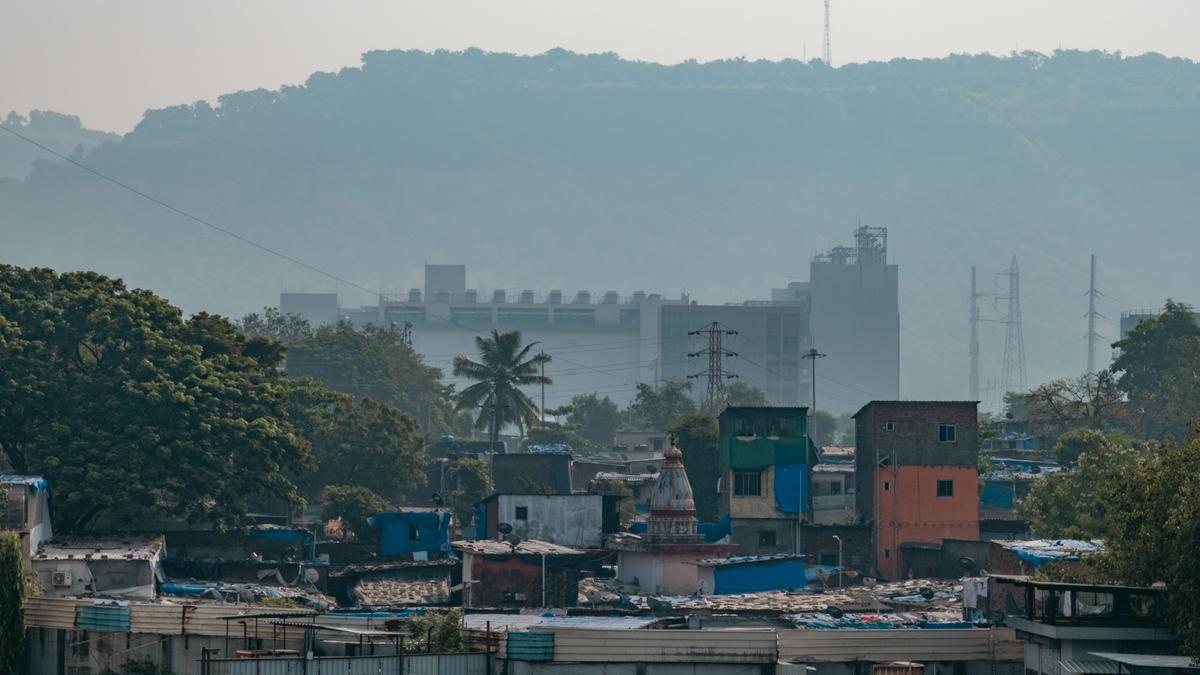
Maharashtra emerges as a data hub, grappling with rising power cuts. In May 2026, CM Devendra Fadnavis noted that Maharashtra accounted for 60% of India's data centre capability. However, protests erupted in Pune's Ravet after residents endured a 48-hour power cut, accusing the government of negligence. The state fast-tracked land distribution for data centres, with Mahape emerging as a major cluster on May 22, 2026.
From May to June 2026, Navi Mumbai experienced 6-12 hours of power cuts, largely scheduled by the State. By June 6-8, transformers tripped due to excessive load, leaving residents powerless amid rising temperatures. Over 270 data centres across India power the nation's growing data usage. In the Taxation and Other Laws (Amendment) Bill, 2026, foreign companies and specified data centres received tax exemptions until March 31, 2047.
Several states, including Maharashtra, Uttar Pradesh, Gujarat, Tamil Nadu, Telangana, and Andhra Pradesh, offered tax-breaks, stamp duty waivers, concessional land rates, and assured dual power supplies to attract data giants. Funding for data centre infrastructure in India surged in 2026, with Maharashtra securing nearly $300 billion worth of MoUs.
The state aims to boost data centre capacity to 5.7 GW by 2031. Despite this growth, power demand and consumption have surged across Maharashtra, leading to frequent power cuts. As of August 20, 2026, Maharashtra's daily power demand stood at 25.9 GW, with Mumbai accounting for 3.5 GW. From March to June 2026, Maharashtra faced a daily power deficit of 28.127 million units, equivalent to powering over 93,000 homes for a month.
While data centres are powered 24x7, the strain on the power grid is evident, with power utilities carrying out forced power cuts, or 'load shedding', when demand exceeds supply.
Written by urgent.news from The Hindu's reporting — not their text. Machine-written — may contain errors; check the original before relying on it.