Kabinett: Bund lässt mehr Beschäftigte auf Sabotagerisiko prüfen
Stromnetz, Wasserwerke, LNG-Terminals: Der Bund will künftig Beschäftigte in noch mehr Betrieben daraufhin überprüfen lassen, ob sie anfällig dafür sind, als Innentäter den Betrieb zu sabotieren.
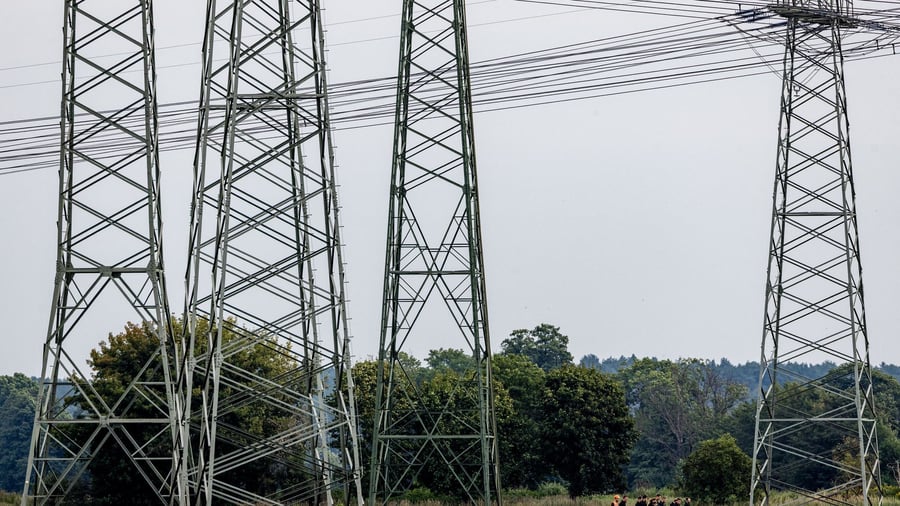
The German government is expanding the security checks for employees in key industries to reduce the risk of sabotage by individuals with extremist backgrounds or on behalf of foreign intelligence agencies. This new regulation, passed by the Cabinet, aims to protect vital facilities such as railways, waterworks, and other critical infrastructure from dangerous interference by insiders.
Authorities will determine which entities and departments are deemed security-sensitive, and a security review will be conducted prior to employment to assess an individual's reliability, potential extremist leanings, or susceptibility to blackmail. The Bundesamt für Verfassungsschutz (BfV) will assist in these investigations, with the intensity depending on the level of security interest at the workplace.
The government cites the increased threat of hybrid attacks from Russia, particularly since the start of the Russian invasion of Ukraine in 2022. Federal Interior Minister Alexander Dobrindt emphasizes that hybrid threats represent real dangers to Germany's security, necessitating further reinforcement of protection for critical infrastructure.
The regulation now covers operators of power networks capable of restoring the grid after a catastrophic failure, digital energy systems with over three gigawatts of power, large waterworks that pump at least 22 million cubic meters of drinking water annually, central tax offices for larger reservoirs, and terminals for liquefied natural gas connected to the gas network.
Additionally, the second draft approved by the Cabinet extends the nationwide warning system (MoWaS) to include technical staff involved in broadcast warnings, such as those related to floods or other disasters. The law amendment in December widened the scope of investigations to include activities and facilities deemed "strictly secret," with three levels of security checks ranging from simple screenings for those accessing confidential information to enhanced reviews for access to "strictly secret" data.
Written by urgent.news from Handelsblatt's reporting — not their text. Machine-written — may contain errors; check the original before relying on it.