Japan considers easing rules on use of bicycle child seats
Current regulations limit the use of such seats to children who have not yet entered elementary school.
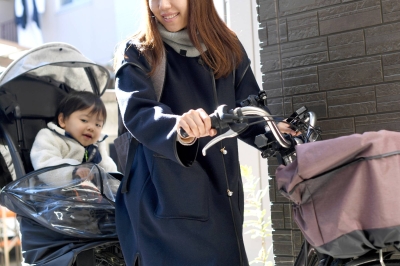
The Japan Safe Driving Center convened a panel of experts on Tuesday to evaluate whether to loosen regulations on the age and weight limits for children riding in bicycle child seats. The panel will conduct experiments to determine how a child's weight impacts bicycle handling and safety, with the goal of releasing a report by March next year.
The National Police Agency (NPA) will review the panel's findings and potentially revise the current rules, which allow children to use bicycle child seats until they begin elementary school. The agency intends to notify prefectural police departments of any changes. The panel comprises university professors in traffic engineering and data analysis, as well as representatives from the Japan Bicycle Promotion Institute, which conducts safety inspections of bicycles and child seats.
Both the NPA and Tokyo's Metropolitan Police Department will participate in the discussions. The SG safety certification mark recommends using bicycle child seats for children no taller than 120 centimeters and weighing no more than 24 kilograms. The panel will test bicycles with heavier loads and assess bicycle stability during movement and the risk of tipping over during turns.
Japanese law currently prohibits two individuals from riding a bicycle together, though some prefectural regulations permit up to two preschool-age children when appropriate child seats are used. The push for more lenient restrictions has grown over the years, as parents need to transport their children by bicycle for various activities, including school drop-offs and medical appointments.
This demand has increased since April, when Japan implemented the "blue ticket" system, which imposes on-the-spot traffic fines for bicycle violations, making illegal tandem riding punishable by a fine.
Written by urgent.news from Japan Times's reporting — not their text. Machine-written — may contain errors; check the original before relying on it.