Is Iran headed to war or peace after Mecca alliance meeting?
Saudi Arabia, Pakistan and Turkey have taken their latest peace push directly to Tehran. Officially, it was to avert a new military escalation, but their diplomatic outreach can also be seen as a warning to Iran.
In the wake of heightened concerns over possible U.S. and Israeli attacks on Iran following the November 3 midterm election, three significant Middle Eastern nations – Pakistan, Saudi Arabia, and Turkey – convened in Tehran to engage in diplomatic discussions. The diplomatic mission aimed to explore avenues for a peaceful resolution and deter any military escalation.
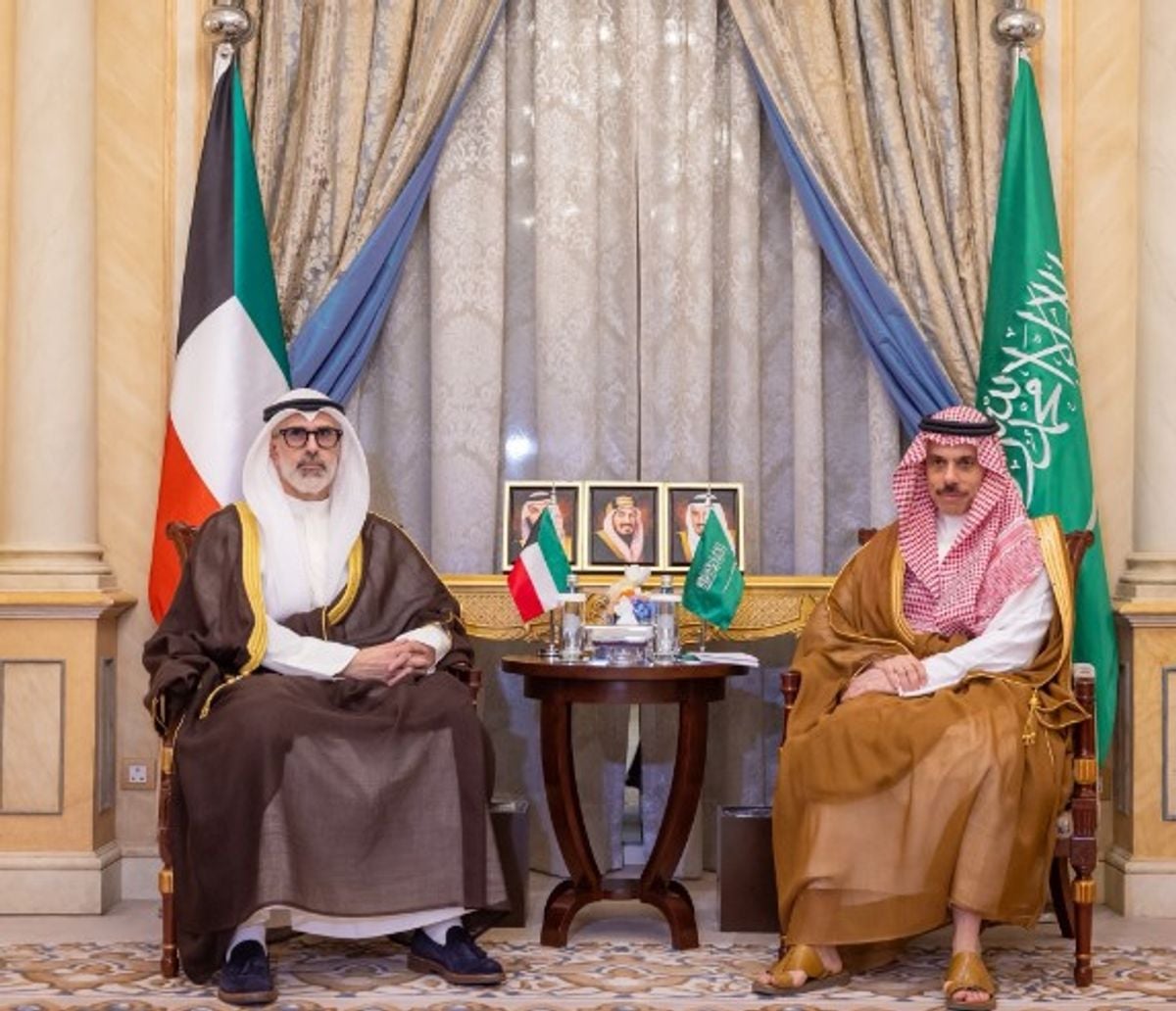
The delegation comprised Pakistan's Army Chief Asim Munir, Saudi Defense Minister Khalid bin Salman, and Turkey's Intelligence Chief Ibrahim Kalin, all representing the Mecca defense pact – a military alliance forged this summer. Saudi Arabia's statement indicated that the mission sought to foster communication channels and prevent a relapse into military aggression. However, specifics regarding the agenda remained undisclosed.
Pakistani officials revealed that the talks centred on establishing a regional non-aggression network, addressing US-Iran negotiations, the Houthis' attacks on Saudi Arabia, the Strait of Hormuz, and the U.S. naval blockade. Pakistan's Munir proposed a resolution to the conflict that would appease both Washington and Tehran, with the Mecca powers and Qatar functioning as intermediaries. U.S. President Donald Trump had previously granted Munir the authority to pursue diplomatic avenues.
Iran's Supreme National Security Council head, Mohsen Rezaei, expressed that the discussions were highly positive, with Rezaei stating that a new regional atmosphere was emerging. He emphasized that regional security should be built by West Asian countries without external interference. A day later, Rezaei met with Iran's Supreme Leader, Mohamad Khamenei, who stressed the importance of safeguarding Iran's interests and upholding Tehran's conditions for concluding both the war and the ongoing state of neither war nor peace.
Iran's President Masoud Pezeshkian traveled to Moscow for the Gas Exporting Countries Forum, where he met with Russian President Vladimir Putin and Qatar's Emir Sheikh Tamim bin Hamad Al Thani. Discussions focused on the conflict and the Strait of Hormuz. Tehran interpreted these diplomatic interactions as evidence that the U.S. is incapable of diplomatically isolating the Iranian regime.
Nonetheless, the united stance of the three nations in Tehran could also be perceived as a demonstration of force for the newly formed Mecca defense alliance.
Egypt's parliament subsequently agreed to provide military assistance to Riyadh and take necessary measures to aid Saudi Arabia in defending itself against the Houthi attacks and the looming threat of U.S. and Israeli intervention. The simultaneous presence of these senior officials sent a message that the Mecca pact nations are acting in unison.
While the Mecca defense pact has been primarily conceived for deterrence rather than offensive warfare, it has the potential to influence Iran and Saudi Arabia's interactions in two ways. The pact could facilitate mediation, but a heightened escalation could also modify the pact's stance. The most pressing dilemma for Saudi Arabia lies in the balance between addressing Houthi attacks that harm its infrastructure and economy and the potential consequences of a broader war with Iran, which could jeopardize Riyadh's economic plans.
Pakistan's role as a mediator has been crucial, as it maintains strong ties with both Iran and the U.S., and a conflict may divert Islamabad's attention from its security concerns involving India. Turkey, a NATO member, expressed its cautious approach, refraining from direct military support for Iran against the United States. Iran's media advisor, Ali Asghar Shafieian, dismissed the notion of the Mecca pact representatives attempting to present Tehran with an ultimatum, stating that other nations, like Iran and the U.S., may be preparing for potential conflict while continuing negotiations.
Written by urgent.news from DW News's reporting — not their text. Machine-written — may contain errors; check the original before relying on it.