Inside Republika Srpska’s Chinese Tech Deal and Russian Influence Network
An FBI-honored cyber chief, a 57M BAM Chinese deal, and Russian propaganda ties: the secret contracts of Dodik’s digital insider.
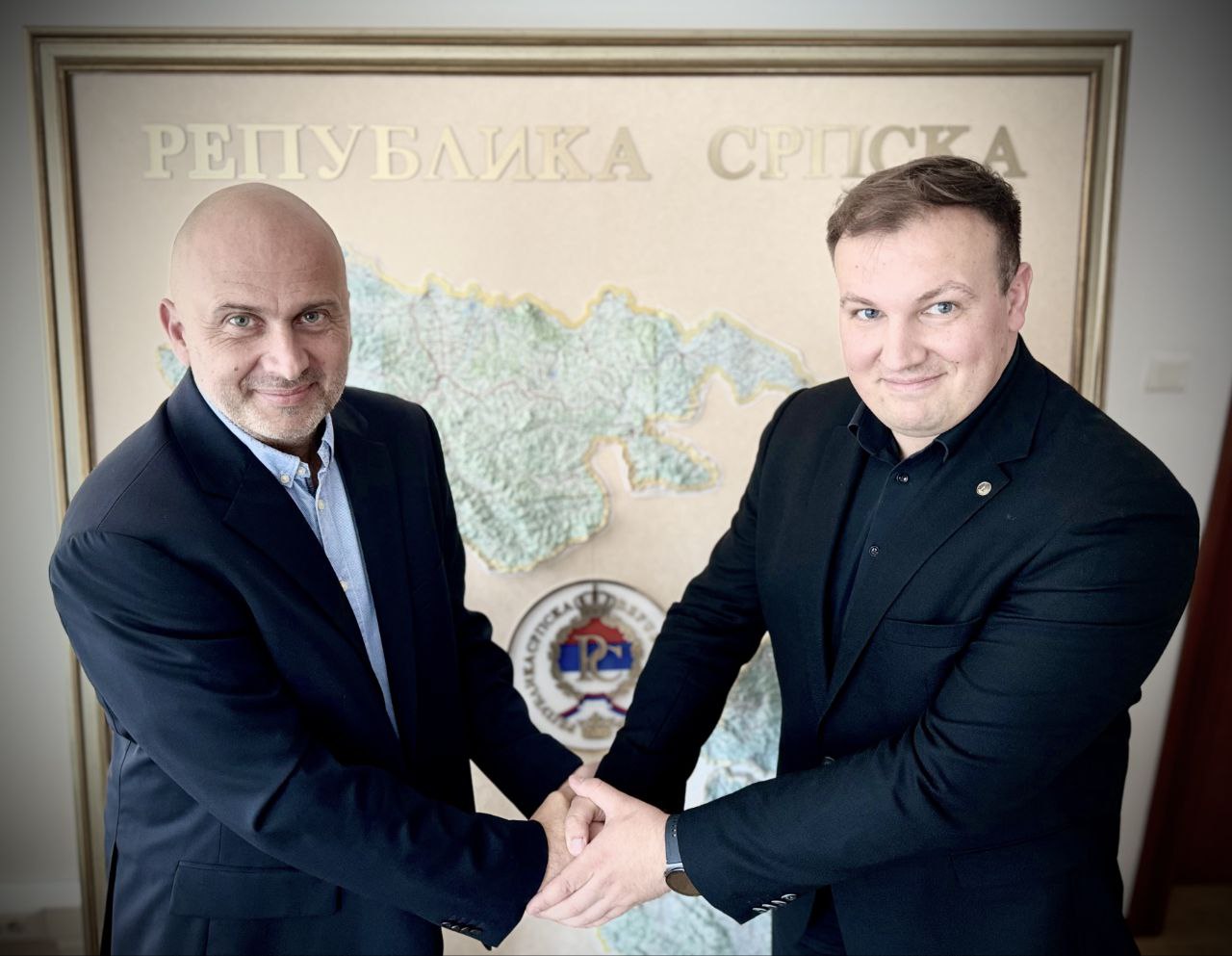
The story involves Republika Srpska, a region within Bosnia and Herzegovina, and its dealings with Chinese, Russian, and Israeli technology and influence. Initially, the government signed a contract worth BAM 57 million with a Chinese company called ELINC for a technology project. This project involved the combination of Chinese hardware and software, Russian organizational practices, and Israeli training. However, there was no independent oversight to guard against potential abuse of this powerful infrastructure.
The technology chief, Dražen Višnjić, spoke positively about the protection provided by Russian mechanisms, emphasizing that the system would "protect" rather than "attack." The system was planned to span 15 locations, connecting public institutions and potentially businesses. Višnjić also revealed that the agency, Agency for Information and Communication Technologies of Republika Srpska (AIKT), had launched a BAM 1 million advertising tender just 12 minutes after the tender notice appeared.
Adding another layer of complexity, there were plans for cooperation with Mikhail Zvinchuk, the leader of Russia’s Rybar propaganda network. A questionnaire exploring sanctions workarounds, alternative banking channels, and cryptocurrency payments surfaced, which the agency denied involvement in.
Višnjić, with his extensive background in the military and police, was appointed as the head of the agency responsible for information security. He had been part of Republika Srpska’s Interior Ministry, where he was involved in interception practices. While serving, he was accused of enabling intercepted conversations to be played on more computers than the software license permitted, a move that compromised control and supervision.
This story reveals a pattern of a public institution expanding its ambitions faster than its accountability. The decisions made in Banja Luka, the capital of Republika Srpska, have far-reaching implications, affecting public institutions, citizens' information, regional financial channels, and the security interests of neighboring countries.
Written by urgent.news from HackerNoon's reporting — not their text. Machine-written — may contain errors; check the original before relying on it.