How to find out if your data is on the dark web — and how to remove it
Your data could be leaked and you might not know it. Learn how to scan the dark web and protect yourself.
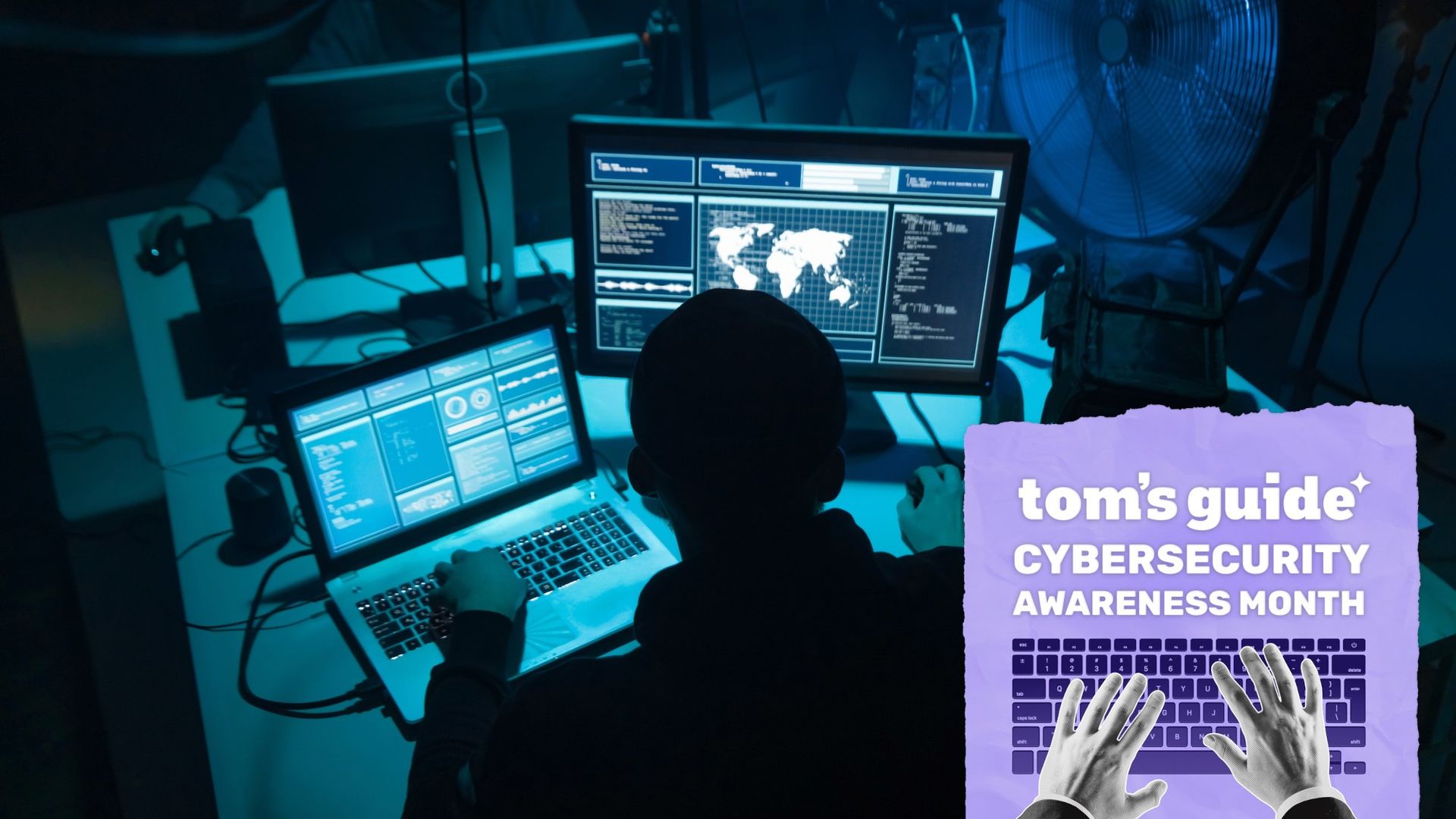
Data breaches are an unfortunate reality in today's interconnected world, and having your sensitive information exposed on the dark web can be a cause for concern. While companies may not always notify you of a breach, there are ways to detect if your data has been leaked. Services like Aura and Experian offer free dark web scans, which can help identify any compromised information.
However, it's important to note that removing data from the dark web is not possible, and any service claiming to do so should be treated with skepticism.
If your email and password have been compromised, it's crucial to change them and activate two-factor authentication (2FA) or multifactor authentication (MFA) on all your accounts. Using unique passwords for each account is also advisable, and a password manager can make this process more manageable. For financial information, such as bank accounts or credit cards, contact your financial institutions and place freezes or fraud alerts on your accounts.
If your social security number has been leaked, freezing your credit through Equifax, Experian, or TransUnion is a wise precaution.
Identity theft is a real threat, and victims should file a report with the Federal Trade Commission (FTC) on IdentityTheft.gov. While changing your Social Security number might not be feasible in most cases, it can be an option in extreme circumstances. While it's impossible to completely prevent your data from being leaked, taking steps to minimize potential damage is essential.
This includes maintaining unique passwords, enabling 2FA or MFA, and using continuous dark web monitoring services like Experian, which offers free monitoring along with paid tiers. The most critical takeaway is to act quickly to protect yourself and monitor your accounts moving forward, as even seemingly innocuous threats like spam emails should not be ignored.
Written by urgent.news from Tom's Guide's reporting — not their text. Machine-written — may contain errors; check the original before relying on it.