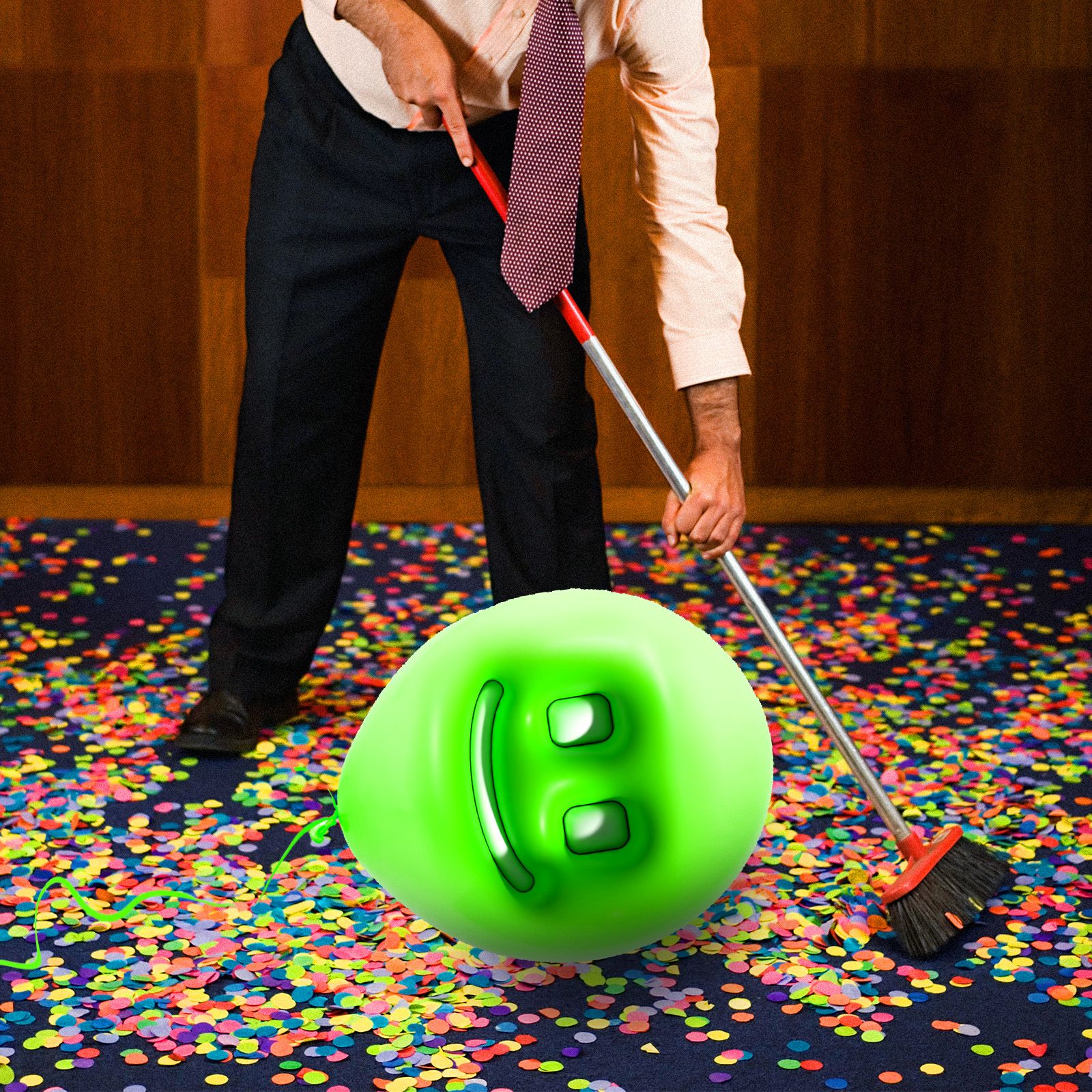
How teachers are remaking classrooms for the AI age
In the heart of the AI capital, Tristen Chang, a sixth-grade humanities teacher from San Francisco, is transforming her classroom to deter students from relying on chatbots. Last year, Chang abandoned take-home essays and now employs oral exams to assess her students on character, plot, theme, and metaphor. She asks a series of 15 questions that students can answer within a span of five minutes.
The rise of generative AI has triggered a significant shift in teaching methodologies, Chang asserts. Everything has been turned "upside down". As AI becomes ubiquitous, US middle and high school teachers are re-evaluating how they evaluate student learning. According to interviews with a dozen educators and education experts, teachers are assigning less take-home work, increasing in-class writing and discussions, and modifying assignments to evaluate students' thought processes rather than merely their answers.
However, the integration of AI into education remains a contentious issue. School systems are divided, with some advocating for its incorporation while others call for its restriction. Many educators find themselves in a middle ground, grappling with the implications of AI in education.
As students gain access to AI chatbots on their devices, teachers are gradually shifting more learning back into the classroom. They are increasingly relying on in-class writing, instruction, and face-to-face assessments. Rusty Shabe, who teaches middle school English in San Francisco, notices students turning to AI at home when they feel overwhelmed. He aims to counter this tendency by dedicating more classroom time to writing exercises, such as a month-long essay project for seventh-graders.
Bobson Wong, a high school math teacher in New York, has reduced homework questions and increased in-class practice to better monitor his students' performance. Wong finds that AI has not only altered how students approach math but also how he teaches it.
AI's impact on learning is still a subject of debate. A 2025 Harvard randomized trial showed that a custom AI tutor enhanced learning gains and student engagement. Meanwhile, a small 2025 MIT Media Lab study found that individuals using ChatGPT to write essays completed the tasks quicker but appeared to engage in less critical thinking.
Despite these findings, AI is becoming increasingly prevalent in education. According to a 2025 RAND survey, a majority of US students and teachers in English, math, and science reported using AI for schoolwork.
In New York City, high school English teacher Meghan Hyland discovered that some students were accessing AI on their phones during bathroom breaks. Banning phones in her classroom, Hyland now requires students to leave them outside when they leave and has made classwork a larger part of their grades, abandoning homework as a practice tool. "I have to assess critical thinking in school," Hyland explains, emphasizing the importance of evaluating students' understanding through live demonstrations and hands-on activities.
While many educators are wary of AI misuse, some are embracing it as a useful classroom tool. These teachers utilize AI to locate relevant articles, design classroom signage, and create graphics for presentations. Michael Zagari, a high school social studies teacher in a New York City suburb, employs AI to modify the vocabulary in historical documents for students with varying reading levels and to condense articles for classroom use.
He encourages students to use AI for initial research but stresses the development of critical thinking skills through effective prompting of AI. Zagari believes that, like any other tool, AI is a part of our future and demands civic responsibility in its use.
Written by urgent.news from CNA - Business's reporting — not their text. Machine-written — may contain errors; check the original before relying on it.
Also reported by 1 other outlet
- How teachers are remaking classrooms for the AI age channelnewsasia.com