How Spiders Spin ‘Silk Dope’ Into Nature’s Toughest Material
By probing its molecular structure, biologists are uncovering how a tangle of unstructured proteins turns into a tough, flexible thread. The post How Spiders Spin ‘Silk Dope’ Into Nature’s Toughest Material first appeared on Quanta Magazine
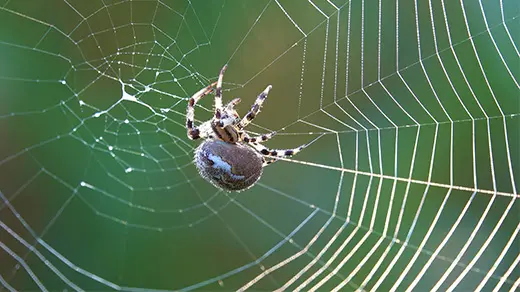
Spiders can spin silk strands seven times stronger than steel within milliseconds of falling. These strands, known as spider dope, consist of a liquid blend of proteins, water, and salt secreted from silk glands. Scientists have long sought to unravel the molecular mechanisms behind this process, which could yield strong, biocompatible materials for various applications.
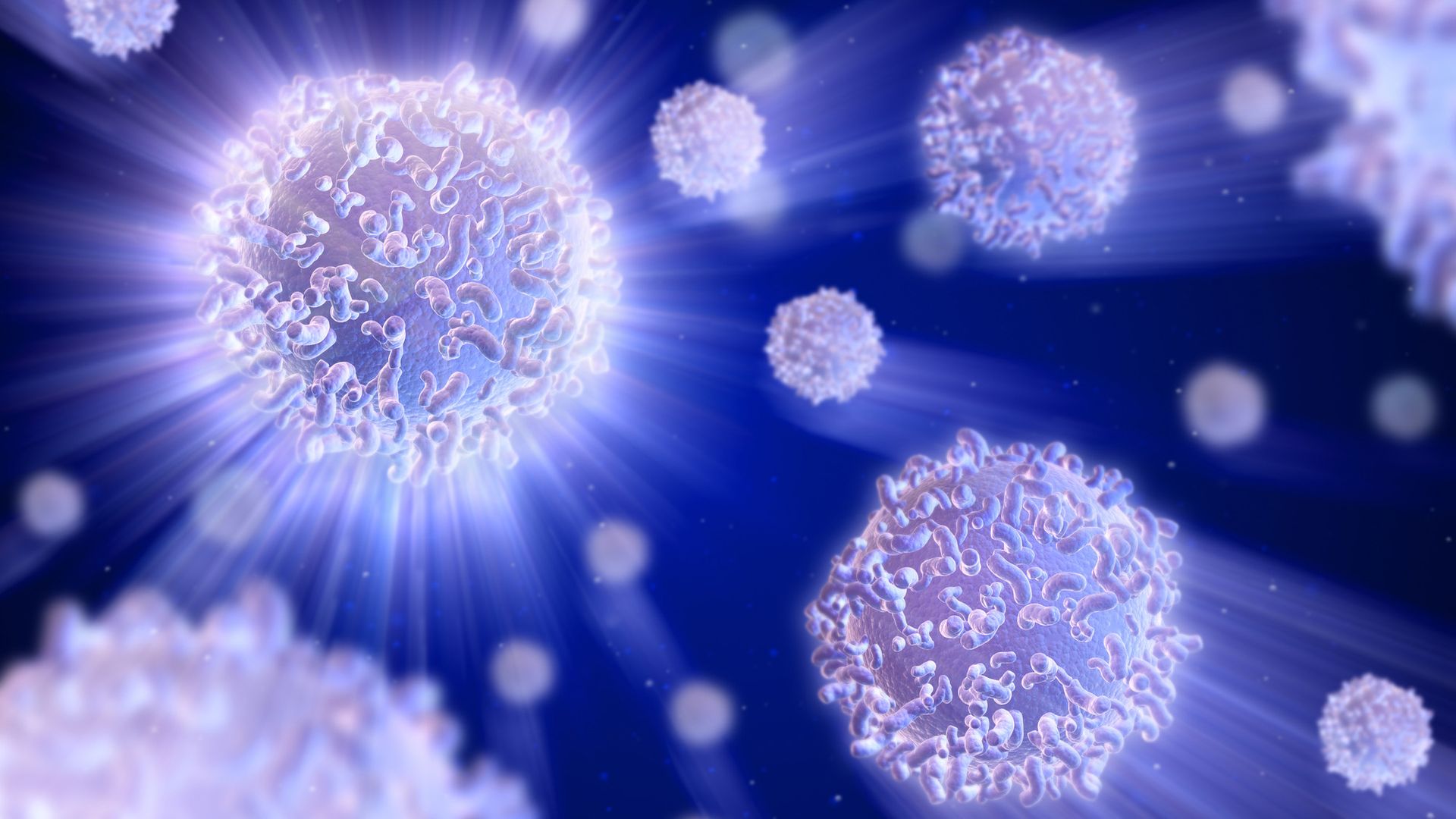
In 2020, researchers discovered that the transition from liquid dope to solid fiber involves the formation of condensates, liquid-like droplets of aggregated proteins. These droplets, first observed in fertilized worm eggs, allow for the concentration and reorganization of molecules without solidifying them. A recent study led by Gregory Holland at San Diego State University reveals how spidroins, the proteins in spider silk, form these condensates through "liquid-liquid phase separation."
This process is triggered by phosphate in the silk glands and is influenced by factors such as pH, chemicals, or temperature. By understanding the atomic-scale mechanisms behind the formation of condensates in spider silk, scientists hope to replicate these strong, flexible materials for use in seat belts, helmets, naval components, and even scaffolds for brain cell repair.
Written by urgent.news from Quanta Magazine's reporting — not their text. Machine-written — may contain errors; check the original before relying on it.