How Lao Gan Ma, China’s iconic chilli brand, got caught in an AI storm
For three decades, Lao Gan Ma’s glass jars, bearing the stern portrait of founder Tao Huabi, have been a fixture on Chinese dinner tables and a symbol of traditional food manufacturing. This week, however, the iconic chilli sauce has become an unlikely focus of public anxiety over artificial intelligence. Online rumours that the Guizhou-based company had replaced hundreds of factory workers with…
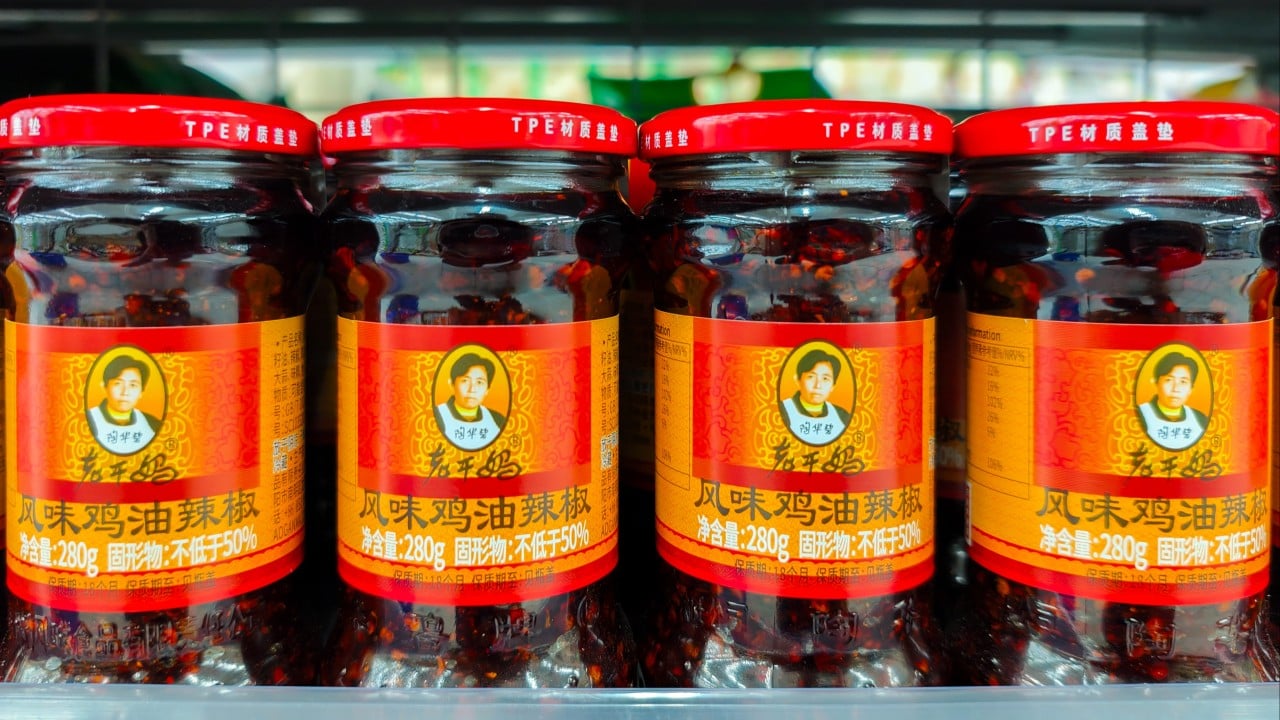
For three decades, Lao Gan Ma's glass jars, adorned with the solemn portrait of founder Tao Huabi, have been a common sight on Chinese dinner tables, symbolizing traditional food manufacturing. This week, however, the iconic chili sauce has become an unlikely subject of public anxiety over artificial intelligence. Rumors that the Guizhou-based company had replaced hundreds of factory workers with AI spread rapidly online, triggering boycott threats and shedding light on the growing public unease about automation's impact on jobs in China, the world's second-largest economy.
Social media platform Weibo saw a surge in speculation on Monday after claims emerged that Lao Gan Ma had reduced its chilli-sorting workforce from over 600 people to just 48 following the installation of an AI-powered inspection system. Some internet users threatened to stop purchasing the condiment, while others defended the changes as a routine industrial upgrade.
Lao Gan Ma denied the staffing claims, according to local media reports. An employee from the company's human resources department told Chinese news outlet Ifeng that the company employed AI technology for quality inspections but denied mass layoffs. "We have never employed that many workers," the employee stated. Attempts to reach Lao Gan Ma's headquarters for further clarification went unanswered on Wednesday.
The online rumors likely originated from media coverage of the firm's factory upgrades. Li Xin, Lao Gan Ma's executive deputy general manager and chief quality officer, mentioned in a speech at the 2026 Guizhou Provincial Quality Development Conference that the company had fully implemented AI-based visual inspection in 2025, per a recent report in Guizhou Daily.
However, subsequent reports included unverified staffing figures, fueling the speculation about widespread job losses. The original Guizhou Daily report did not contain such figures. Kyle Chan, a fellow at the Brookings Institution's John L. Thornton China Centre, noted that the backlash was particularly noteworthy due to the company's grassroots image.
"Lao Gan Ma is such an iconic brand and probably the furthest thing from people's minds when thinking about AI," Chan commented. He emphasized the importance of Chinese businesses navigating AI adoption carefully, as they risk tapping into growing anxieties. Chan highlighted the need for Chinese businesses to tread cautiously when introducing AI, as the official state narrative often emphasizes optimistic views.
The controversy arrives at a time when Beijing is endeavoring to expedite AI adoption while mitigating the disruptive effects on frontline workers. The "AI Plus" action plan announced last year aimed to achieve adoption rates of 70 percent in strategic sectors by 2027 and 90 percent by 2030. Nevertheless, labor disputes related to AI-driven layoffs have surfaced across the country this year.
The State Council issued guidelines last week urging companies in labor-intensive industries to exercise caution when deploying AI to minimize disruption to workers. These directives encouraged employers to provide advanced notice before large-scale AI rollouts and offer support for retraining and internal transfers to other roles.
However, Chan argued that the protections could be more comprehensive, such as requiring companies to find alternative roles for workers displaced by AI or retain them during a transition period following the introduction of new systems.
Written by urgent.news from South China Morning Post's reporting — not their text. Machine-written — may contain errors; check the original before relying on it.
This story
This is one outlet's version. Read the fullest account.