How growth in use of AI and globalisation have transformed wealth management
The widespread adoption of artificial intelligence (AI) is helping to transform the way businesses operate around the world, including the analysis of huge quantities of data to provide valuable insights. Yeo Wenxian, head of wealth for Asia South at the global bank Citi, says the increased use of AI and expansion of globalisation are changing the way businesses and clients approach wealth…
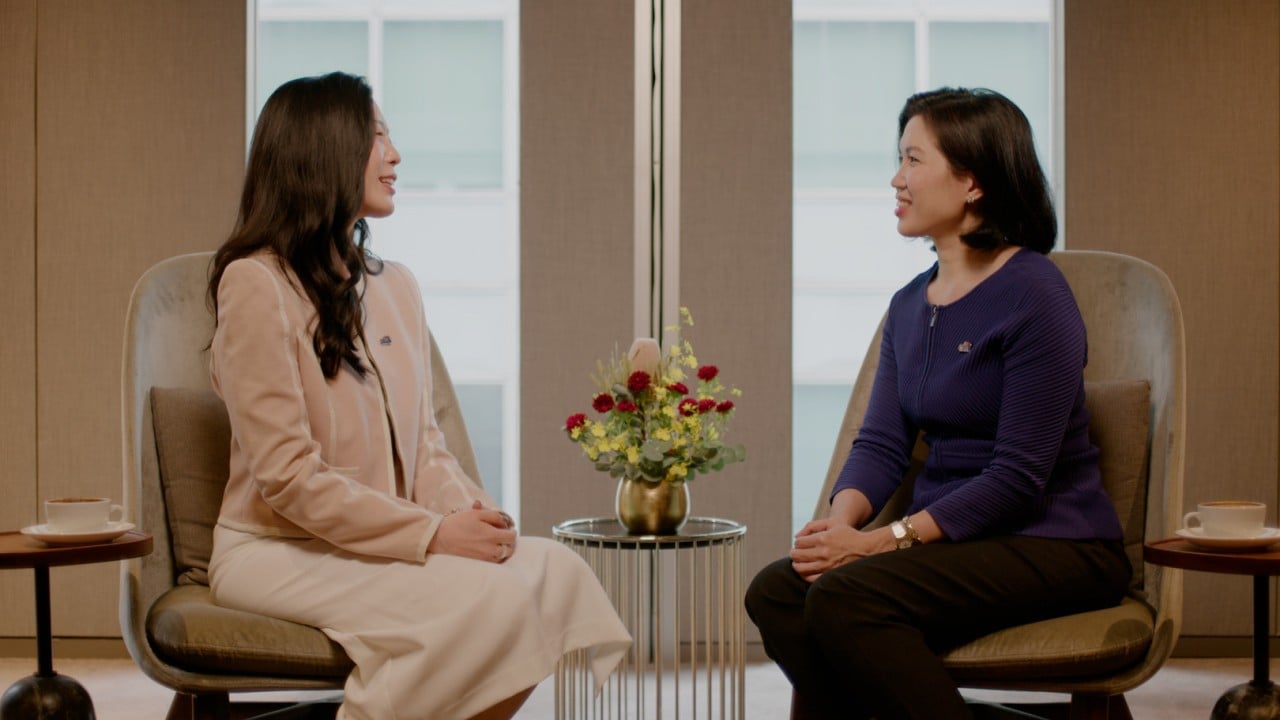
Artificial intelligence (AI) and globalization are significantly reshaping the wealth management sector, according to Citibank executives Yeo Wenxian and Sylvia Zhang. The bank's senior executives explain that the rapid data analysis capabilities offered by AI, combined with the ongoing expansion of global markets, are transforming the way businesses and clients approach wealth management.
Yeo highlights how AI enables advisors to distill large amounts of information quickly and deliver personalized advice that takes into account a client's cultural background and financial objectives. She notes that trust is built through consistent, high-quality advice and a deep understanding of the client's unique circumstances. Zhang adds that while advisers now have more time to focus on clients, the technology doesn't replace the human interaction; instead, it allows for deeper, more meaningful conversations.
Globalisation has also increased the complexity of wealth management, particularly for clients with assets and interests in multiple countries. Zhang emphasizes that AI helps advisers navigate these complexities by summarizing global insights and delivering them in a meaningful way to clients. The executives also discuss the growing demand for succession planning, as older generations seek to preserve and transfer their wealth to younger generations who may have different investment philosophies and values.
Yeo stresses that the best wealth advice is both global in its perspective and deeply personal in its execution.
Written by urgent.news from SCMP Business's reporting — not their text. Machine-written — may contain errors; check the original before relying on it.