How FDA scientists opposed the Trump administration’s push for easier access to peptides
A plan to give Americans easier access to unproven peptide drugs favored by Health Secretary Robert F. Kennedy Jr. was opposed by most Food and Drug Administration scientific staff members, who had limited input in drafting the policy, according to six people familiar with the policy’s development. The document, which covers certain injectable peptides popular within the wellness industry,…
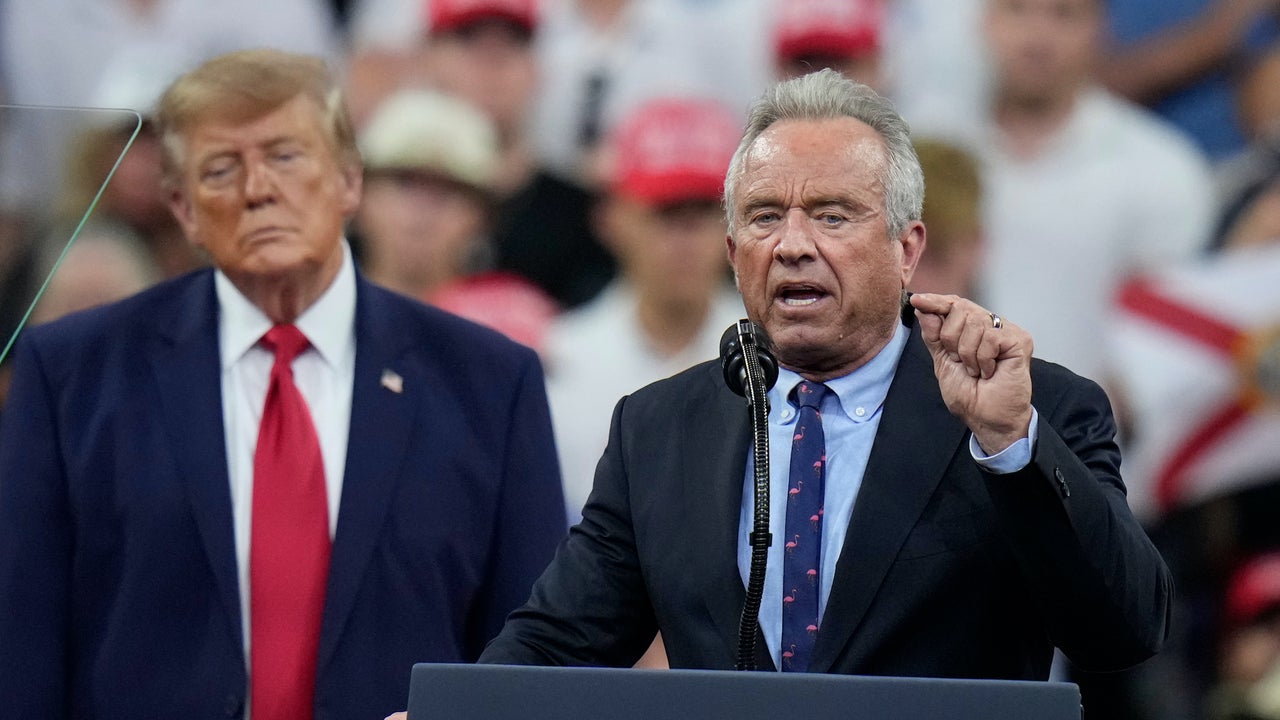
A plan to allow Americans easier access to unproven peptide drugs, advocated by Health Secretary Robert F. Kennedy Jr., faced strong opposition from the majority of Food and Drug Administration (FDA) scientific staff. These staff members, whose input was limited in drafting the policy, believed that the plan could undermine the FDA's mission of keeping unproven health products off the market.
The policy, which targeted specific injectable peptides popular in the wellness industry, underwent a regulatory review at the White House before being published. Kennedy, through his Department of Health and Human Services (HHS), pushed for the FDA to allow specialty pharmacies to sell these peptides without taking action against them.
The FDA scientists cautioned that this could potentially expose Americans to unsafe or ineffective substances. While some peptides are naturally occurring in the human body and have FDA-approved uses, the peptides in question had not undergone the rigorous safety and effectiveness review process. Notable among these peptides are BPC-157 and TB-500, which are used to treat injuries and build muscle, but are also classified as doping substances by international sports authorities.
Initially, HHS wanted the FDA to approve a regulation adding these peptides to a list of safe substances for compounding pharmacies, but FDA officials raised significant safety concerns and refused to support such a regulation. HHS then opted for a policy directing the FDA not to enforce its rules against pharmacies that compound these substances.
FDA staff provided technical assistance in drafting the policy, including safety measures like sourcing ingredients from FDA-regulated facilities and tracking side effects. Despite these concessions, the policy still relies heavily on FDA safeguards due to the FDA's long-standing authority over compounding pharmacies.
Written by urgent.news from Fast Company's reporting — not their text. Machine-written — may contain errors; check the original before relying on it.
This story
This is one outlet's version. Read the fullest account.