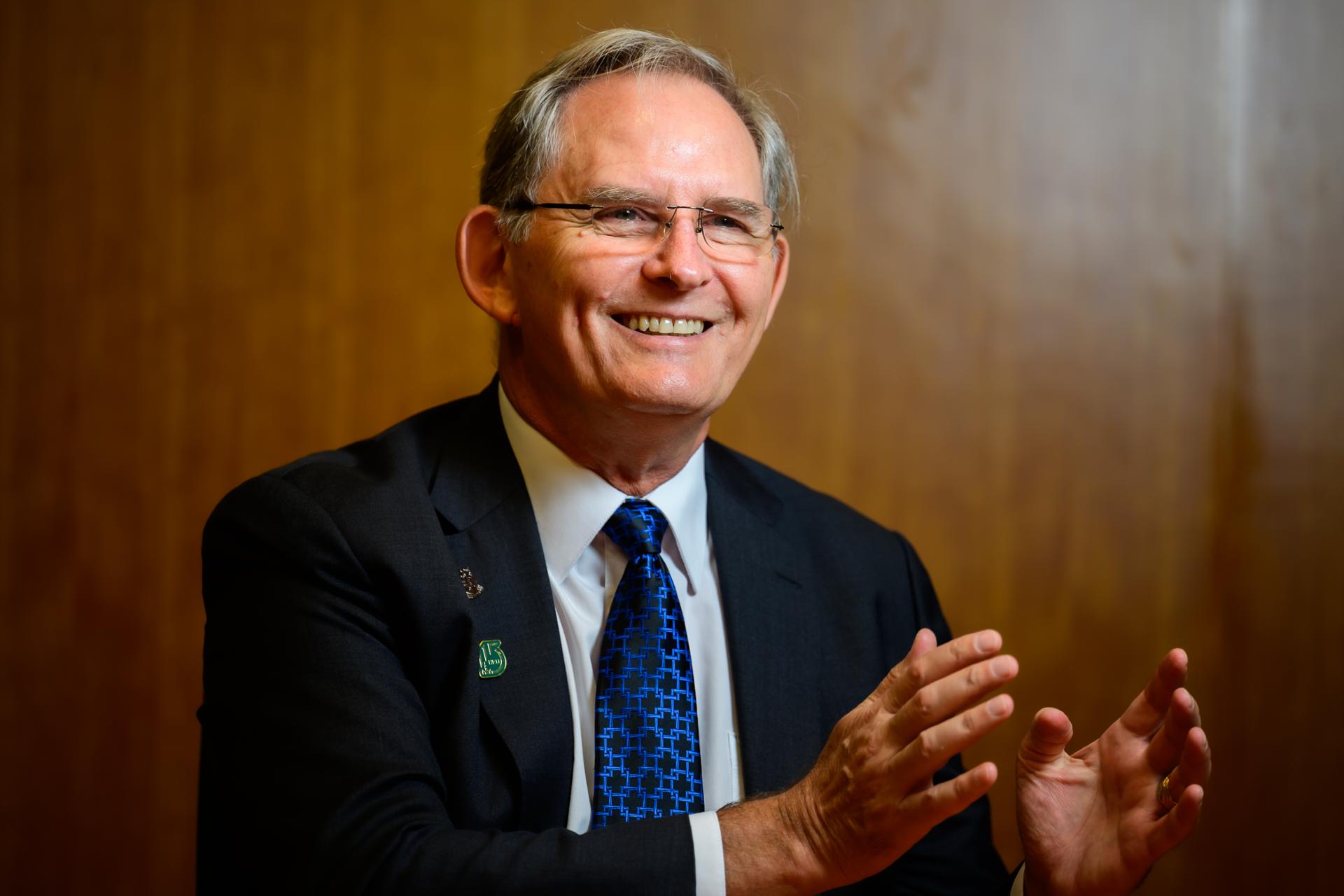
Grades matter less than motivation in AI era, HKU vice-president says
HONG KONG — When asked how artificial intelligence (AI) is changing higher education, Jay S. Siegel, vice president of the University of Hong Kong (HKU), began by challenging the premise of the question. “I don’t think that higher education is moving beyond content delivery and into critical thinking,” he said during an interview with The Korea Times on the university’s campus. Siegel, who also…
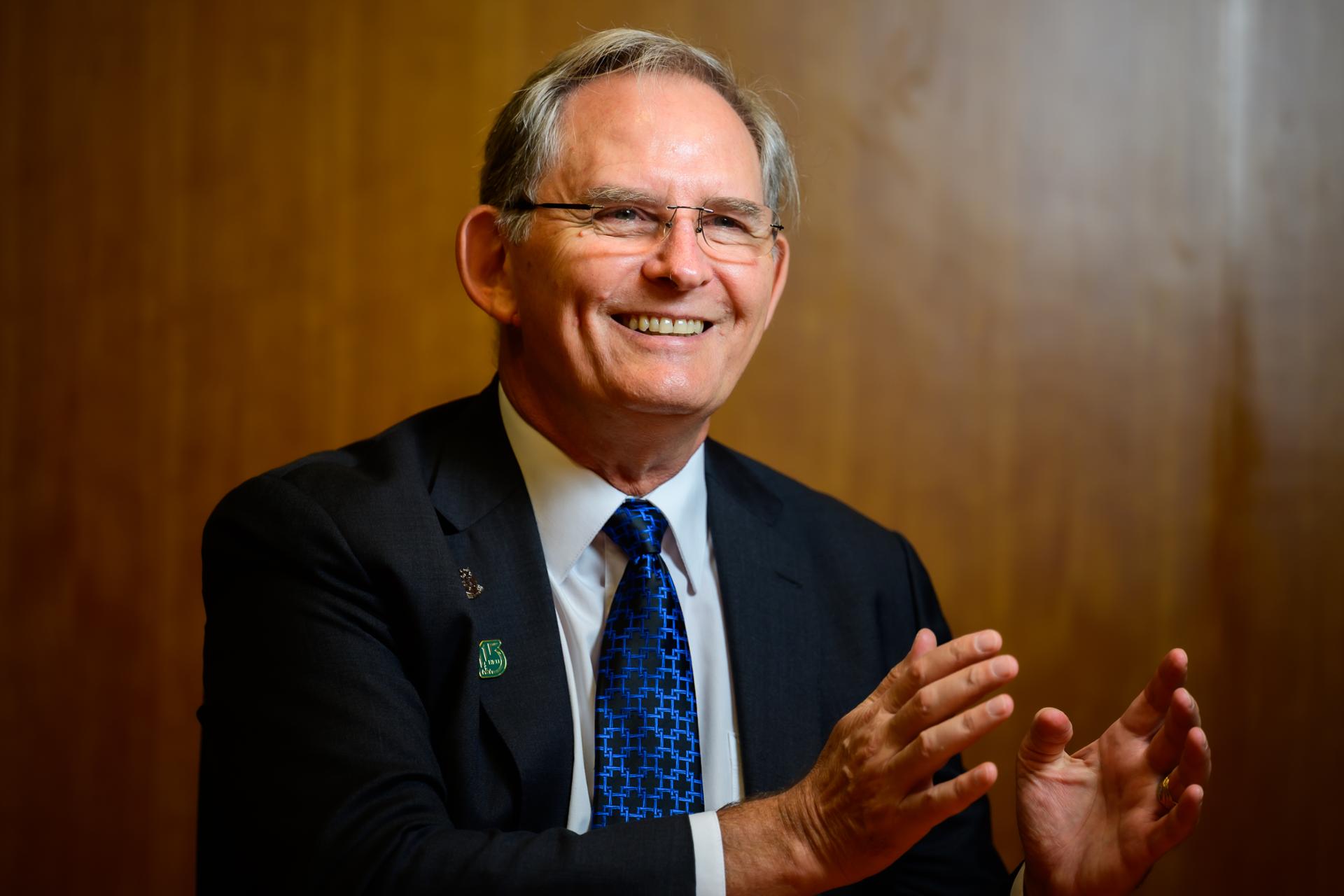
HONG KONG — When questioned about how artificial intelligence (AI) is reshaping higher education, Jay S. Siegel, the vice president of the University of Hong Kong (HKU), took issue with the very premise of the inquiry. During an interview with The Korea Times on the university grounds, Siegel, who is also the pro-vice-chancellor for teaching and learning, contended that the purpose of higher education remains content delivery and the cultivation of critical thinking skills.
Rather than focusing on the changing landscape of education, Siegel expressed concern over the undue emphasis placed by universities on grades and examinations over fostering a genuine passion for learning in students.
According to Siegel, motivation surpasses assessment in importance. He maintains that examinations serve a crucial function, primarily by motivating students to engage in studying, rather than due to the grades they yield. The process of preparing for an examination, he argues, necessitates reading, critical thinking, and interaction with the material, and that level of effort might be of greater significance than the final score received.
A student who dedicates themselves to diligent study, even if the outcome is not reflected in a high grade, is likely to have gained valuable skills and knowledge.
Written by urgent.news from The Korea Times's reporting — not their text. Machine-written — may contain errors; check the original before relying on it.