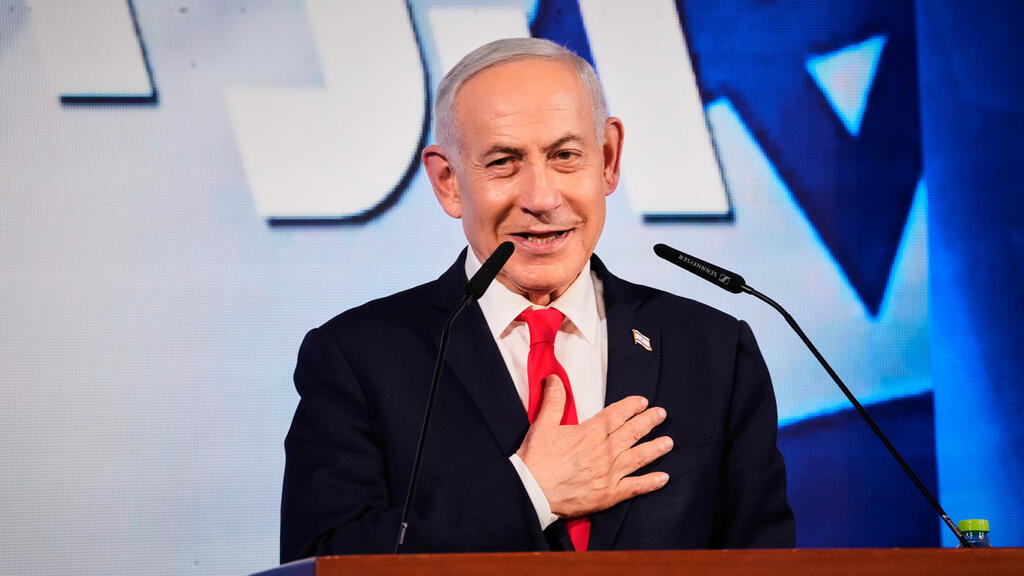
Flávio Bolsonaro on flight to Miami after fleeing Brazil following election defeat
Far-right senator and family expected to land in US after crossing into Argentina and then flying out of Ecuador A jet carrying the far-right Brazilian senator Flávio Bolsonaro has left Guayaquil in Ecuador and is on its way to Miami, Florida, where it is expected to arrive mid-morning on Wednesday. After losing Sunday night’s election to the incumbent president, Luiz Inácio Lula da Silva ,…

Luiz Inácio Lula da Silva's victory in Brazil's presidential runoff election offers Indigenous communities a degree of relief, but it is far from a resolution to their struggles. His opponent, Flávio Bolsonaro, had pledged to halt the recognition of new Indigenous territories, boost mining and development, and weaken environmental protections.
For Indigenous leaders, Lula's reelection signifies a chance to pursue their goals without the fear of death and violence that plagued their communities during the previous administration.
However, the victory does not guarantee safety for Indigenous territories. The Liberal Party, which Bolsonaro leads, won the largest number of seats in Congress, as did the broader right. This could lead to increased mining, weakened environmental protections, and a rollback of land rights, making it harder for Lula to advance his Indigenous and environmental agendas. Moreover, 70 percent of incoming lawmakers oppose the climate and environmental agenda, according to the Climate Observatory.
The stakes were elevated due to Bolsonaro's campaign alignment with his father Jair Bolsonaro's policies, which saw a surge in mining, land grabs, deforestation, and attacks on Indigenous rights. Amazon deforestation reached a record in 2022, and Indigenous leaders report ongoing violence from illegal mining operations during his presidency.
Lula secured a fourth nonconsecutive term by a margin of about 4.4 million votes, but neither candidate received the required 50 percent to win outright. This outcome heightened the concerns of Indigenous communities and environmental advocates, who feared a Bolsonaro presidency would spell disaster for the Amazon.
Indigenous leaders are cautiously optimistic about Lula's win but remain deeply concerned about the composition of Congress. Many lawmakers have already backed easing environmental protections and opposing Indigenous land claims. Toya Manchineri, general coordinator of the Coordination of Indigenous Organizations of the Brazilian Amazon, expressed deep worry about the challenge Lula will face in advancing his agenda amidst a Congress dominated by lawmakers opposed to his Indigenous and environmental policies.
Still, Lula's victory is seen as a beacon of hope for Indigenous organizations. They must now collaborate with a Congress that has already shown a willingness to weaken protections and challenge Indigenous land claims. "Lula’s victory prevents a president who promised to halt Indigenous land demarcation from taking office, but our territories are far from safe," stated Alessandra Korap Munduruku, coordinator of the Munduruku Pariri Indigenous Association.
Indigenous leaders recognize the difficulties that lie ahead, emphasizing the need for real authority and protection of their territories in Lula's next term. Krenak, Indigenous leader and general coordinator of the Coordination of Indigenous Organizations of the Brazilian Amazon, calls for meaningful progress rather than merely having Indigenous leaders present at international summits.
He envisions a future where Indigenous peoples gain genuine authority to prevent their territories from becoming sacrifice zones and instead become "territories of life, reciprocity, and generosity."
Written by urgent.news from Grist's reporting — not their text. Machine-written — may contain errors; check the original before relying on it.
This story
This is one outlet's version. Read the fullest account.