Extreme weather is creating a perfect storm of misinformation. Here’s what’s at stake.
Rumors and conspiracies are spreading too fast for emergency managers to keep up. This information chaos is slowing disaster relief and putting lives at risk.
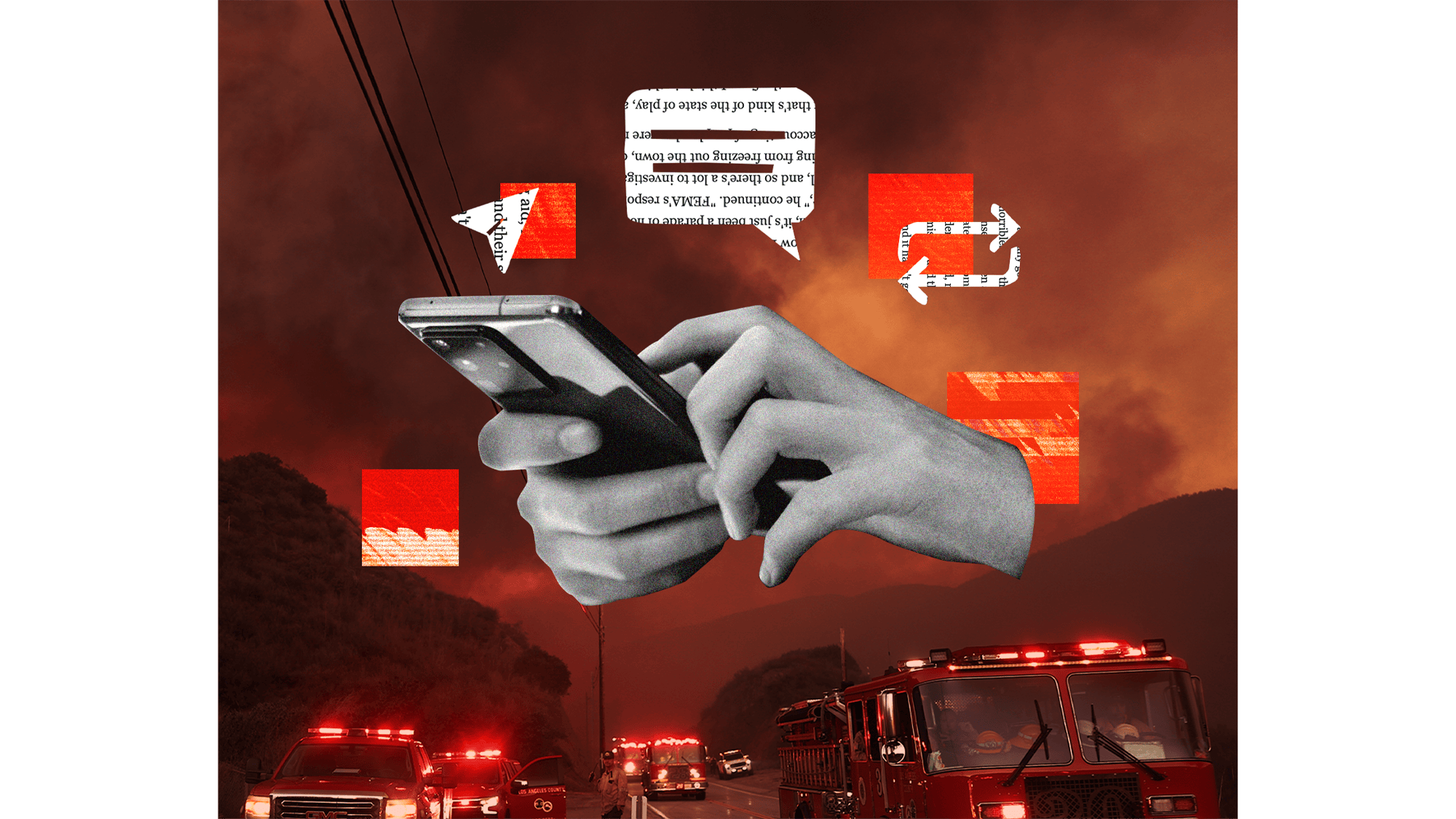
Extreme weather events are creating a perfect storm of misinformation, making it difficult for emergency managers to keep up with the rapid spread of rumors and conspiracies. This information chaos is slowing disaster relief efforts and endangering lives. In the aftermath of the 2023 Maui wildfires, for example, thousands of people shared posts and videos claiming the fires were started by a "direct energy weapon" or a form of laser.
Some right-wing activists and social media personalities, such as the late Charlie Kirk, also amplified these claims. At the same time, the Federal Emergency Management Agency faced rumors that a "weather weapon" caused the fires.
The escalating pace of climate change has produced an increasing number of supercharged wildfires, hurricanes, droughts, and floods, all of which leave communities confused and disoriented. The information landscape has become increasingly fragmented, with major social media companies abandoning fact-checking and content moderation, politicians distorting or politicizing disasters, government agencies being underfunded, and generative AI models creating new ways to source information.
A recent report from the News Literacy Project found that a majority of teenagers encounter social media conspiracies and are likely to believe them.
Amber Silver, a professor of emergency management, emphasizes that disasters create an urgent need for facts, but there are almost no reliable ways to obtain them during and after an event. This perfect storm of misinformation poses a significant risk to the public's trust in emergency alerts, such as those potentially written by AI.
Written by urgent.news from Grist's reporting — not their text. Machine-written — may contain errors; check the original before relying on it.