EU defence chief warns of fuel crunch if Europe goes to war
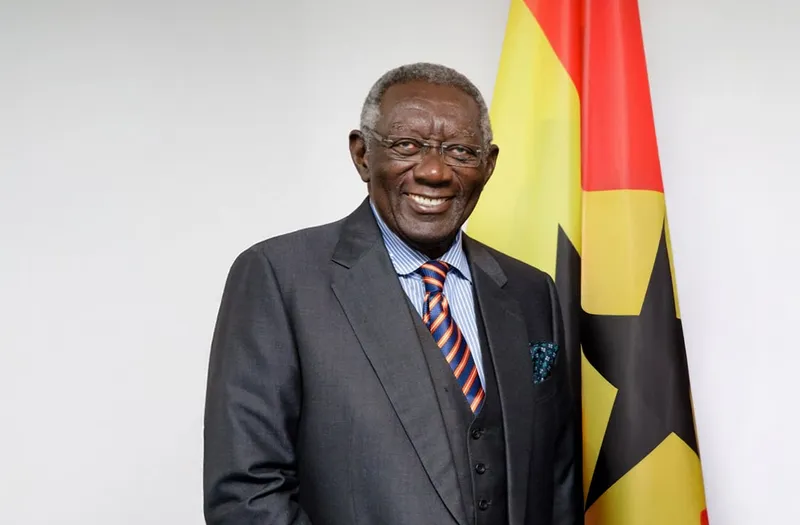
EU Defence Commissioner Andrius Kubilius has warned that Europe must be prepared to "surge" energy production to fuel its armies in conflict.
EU Defence Commissioner Andrius Kubilius has cautioned that Europe may face a fuel shortage if the continent enters a state of war. Currently, military fuel consumption constitutes roughly 8% of total capacity, which is deemed sufficient for peacetime operations. However, Kubilius warns that demand could escalate significantly in the event of conflict.
According to NATO's force model, during the initial 10 days of a military crisis, NATO would need to mobilize and sustain 100,000 troops, which would require a substantial amount of fuel. It remains uncertain as to how long Europe could maintain its present fuel reserves against an adversary, as such details are classified. This warning follows the EU Commission's inaugural discussion on refining capacity in Europe.
Commission President Ursula von der Leyen instigated the roundtable amid Europe's ongoing energy scarcity and its potential implications for military readiness. NATO officials, alongside industry representatives, participated in the meeting. The EU has set a legally binding objective to reduce carbon emissions by 90% by 2040. EU Energy Commissioner Dan Jørgensen emphasized that while Europe is committed to transitioning away from fossil fuels, "now" it requires a sufficient supply of conventional energy sources like diesel and jet fuels.
These fuels are indispensable for transportation, economic activity, and military defense. The EU needs to foster an atmosphere conducive to both domestic fuel production and the long-term sustainability of European refining processes as the bloc decarbonizes. European refineries have been either shutting down or downsizing due to aging infrastructure and shifting market demands.
Global conflicts, such as the Iran war and the closure of the Strait of Hormuz, have made it more challenging for Europe to obtain energy at reasonable prices. NATO has underscored the criticality of Europe's fuel production capacity to cater to both civilian and military needs during times of crisis and conflict. In July, NATO members approved a €27 billion Fuel Supply Chain Capability Plan, aimed at upgrading NATO's existing fuel storage and distribution infrastructure, particularly pipelines in eastern and southeastern regions, to ensure warfighting readiness.
Written by urgent.news from Euronews's reporting — not their text. Machine-written — may contain errors; check the original before relying on it.
This story
This is one outlet's version. Read the fullest account.