Energy prices to climb 32% this year as global shocks mount, World Bank says
Energy prices are set to rise by 32 per cent this year due to conflicts in the Middle East and Ukraine, driving up a broad set of commodity prices and threatening to worsen inflation, the World Bank said on Wednesday. Global commodity prices are forecast to climb 23 per cent in 2026 due to rising energy prices and disrupted grain shipments in the Black Sea, the World Bank said in its latest…
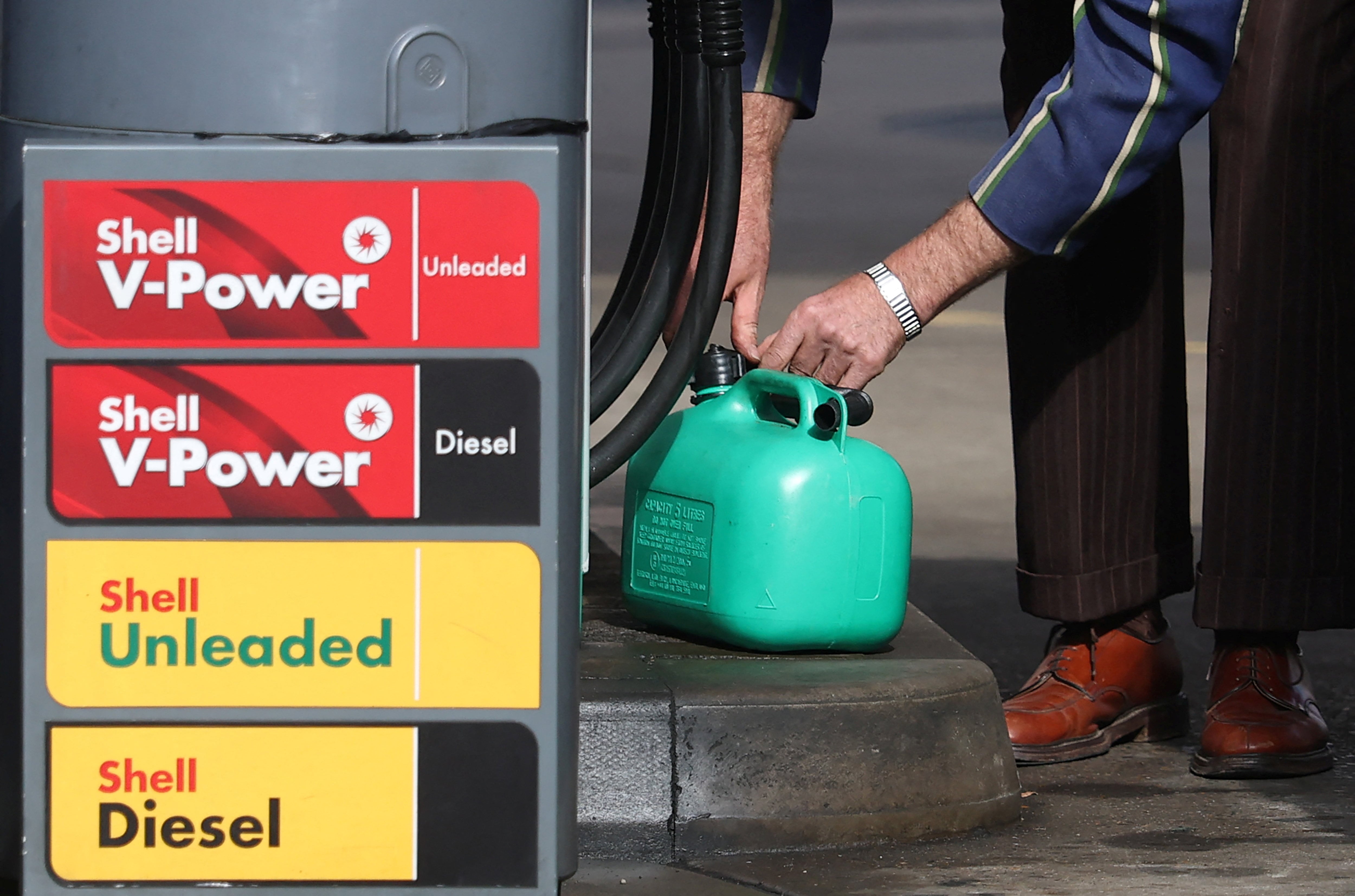
The World Bank predicts energy costs will surge by 32 percent this year, driven by conflicts in the Middle East and Ukraine, and rising global commodity prices. Brent crude oil is expected to climb from $69 per barrel in 2025 to $91 per barrel this year, before settling at $79 in 2027. The bank warns that higher energy prices and disrupted grain shipments could worsen inflation, food insecurity and economic growth.
Global commodity prices are forecast to increase by 23 percent in 2026 due to the energy price surge and Black Sea grain shipment disruptions. Brent crude is projected to rise from $69 per barrel in 2025 to $91 per barrel this year, then decline to $79 in 2027. Overall commodity prices are expected to ease by 7 percent in 2027. Energy prices could rise further if Iran escalates its war or Russia's oil infrastructure damage continues.
"Commodity markets are facing multiple shocks simultaneously," said Ayhan Kose, the World Bank's deputy chief economist. The International Monetary Fund projects global headline inflation to rise to 4.7 percent in 2026 before easing to 4.1 percent in 2027, with energy importers facing the toughest outlook. The World Bank has provided $8.7 billion in support to 25 countries affected by the Iran war, with 10 countries reorienting existing programs to cover crisis expenses and 19 accessing new financing.
Global oil supply is projected to fall by 5.2 percent in 2026, the largest drop since the 1980s oil embargo. European natural gas prices are expected to jump nearly 60 percent due to Middle East export disruptions. Food commodity prices are set to rise by roughly 10 percent and an additional 7 percent in 2027 due to Russia's invasion of Ukraine disrupting grain shipments.
Further shocks, including a record El Nino and more Black Sea grain shipment disruptions, could lead to a severe economic scenario, with Brent crude prices averaging $105 per barrel in 2027 and food commodity prices 12 percent higher than the baseline forecast. Metals and minerals are projected to rise by 25 percent year-on-year, reaching a new high in 2026.
Aluminium, copper, tin and other base metals are also expected to experience substantial gains. Fertilizer prices are forecast to increase by 14 percent in 2026 before returning to 2025 levels in 2027, as energy costs decline and ammonia and sulphur access improve.
Written by urgent.news from The National Business's reporting — not their text. Machine-written — may contain errors; check the original before relying on it.