Elon Musk, Jensen Huang have opposing outlooks on AI neoclouds. Who is likely correct?
As investor anxiety over an artificial intelligence bubble mounts, SpaceX’s Elon Musk and Nvidia chief Jensen Huang have offered starkly divergent outlooks on whether the specialist cloud providers powering the boom can survive their mounting debts. While Musk has warned of impending collapses and consolidation among the more than 200 dedicated graphics processing unit (GPU) rental ventures known…
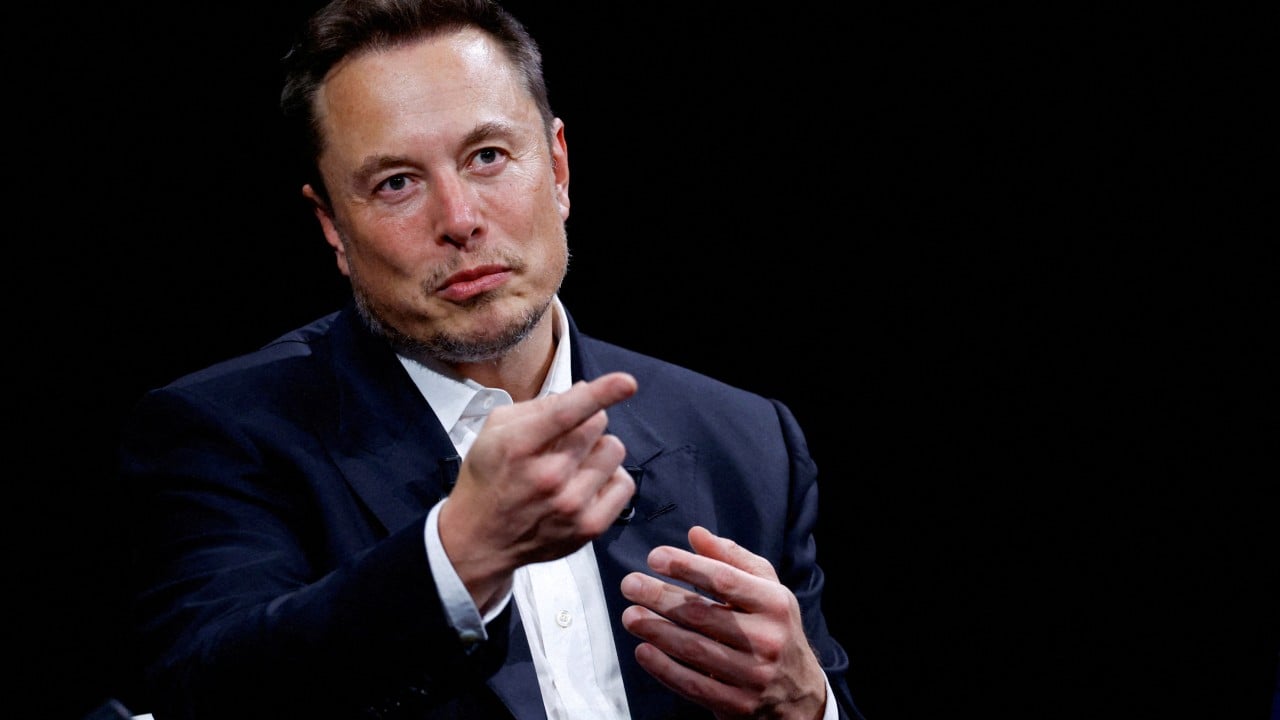
Investor concerns over an AI bubble have led to contrasting outlooks from two key figures in the sector: SpaceX founder Elon Musk and Nvidia CEO Jensen Huang. Musk has warned of an impending collapse and consolidation among the hundreds of GPU rental companies, known as "neoclouds," while Huang remains optimistic, believing robust market demand will unlock the necessary capital to sustain the sector.
The ongoing debate highlights the mounting liquidity pressures faced by AI infrastructure providers worldwide, including in China, where tech giants and specialized data-center developers are investing billions in computing capacity, even as clear monetisation pathways remain elusive.
Musk, who leads Tesla, SpaceX, and xAI, shared his pessimistic view on social media, predicting that many neocloud operators will fail due to a lack of established revenue streams outside of AI data centers. He noted that traditional lenders have largely withdrawn from backing these operators without proven income sources. In contrast, Huang, speaking to CNBC, described neocloud demand as "off the charts."
While acknowledging a near-term cash crunch, he dismissed systemic concerns, asserting that the situation will be resolved. Nvidia has taken steps to alleviate financing pressures, partnering with six financial institutions to mobilize over US$500 billion in third-party capital over time.
Neocloud operators face significant cash flow challenges, as they must invest billions to acquire high-end processors and secure data-center space months or years before generating rental income. Delays in construction further exacerbate the situation, as borrowing costs accumulate. Market leaders like CoreWeave may require between US$18 billion and US$42 billion in additional financing to meet their roughly US$129 billion contracted backlog, according to Bernstein Research.
However, this comes with rising funding costs as the firm pursues shorter leases. CoreWeave's revenue jumped more than double year-on-year to US$2.6 billion in Q2, but net interest expenses surged to US$640 million from US$267 million over the same period.
While some neocloud providers can secure financing, credit terms are becoming increasingly differentiated based on the borrower's creditworthiness. For instance, Nebius secured a US$3.5 billion bridging loan from Citibank, with longer-term funding options including borrowing against over US$40 billion in contracts with investment-grade customers. Morgan Stanley reported that capital will be available but on different terms for various borrowers.
Hyperscalers such as Microsoft, Amazon, Alphabet, and Meta Platforms, as well as Chinese internet giants, have a financial cushion due to their existing operating cash flows, offering some protection against market volatility. However, pure-play data-center operators, lacking these resources, face heavier capital requirements. Chinese builders, for example, have some advantages in terms of power hookups and regulatory permits, but the industry still grapples with bottlenecks due to US export controls on advanced AI chips.
Despite these challenges, Morgan Stanley warned that valuation multiples could compress in tandem with global peers before cash flows adjust, and high capital expenditure is likely to persist through 2028 before revenues catch up.
While Chinese AI players may enjoy relatively stable funding conditions compared to Western counterparts, domestic enterprises and consumers' cost and margin consciousness pose a risk to the industry's long-term growth. Some analysts, like Morningstar's Chelsey Tam, expect a soft landing globally, suggesting that unusually significant capacity expansion constraints could limit overinvestment.
However, it remains premature to conclude that China is experiencing a bubble, as geopolitical factors further complicate the assessment. As with all speculative bubbles, the verdict will only become clear in hindsight.
Written by urgent.news from South China Morning Post's reporting — not their text. Machine-written — may contain errors; check the original before relying on it.
This story
This is one outlet's version. Read the fullest account.