Election leaves Israel’s political future uncertain, but Netanyahu still clearly controls its present
Like Shimon Peres 30 years ago, Gadi Eisenkot thought the exit polls meant he'd defeated the Likud leader. Not so fast
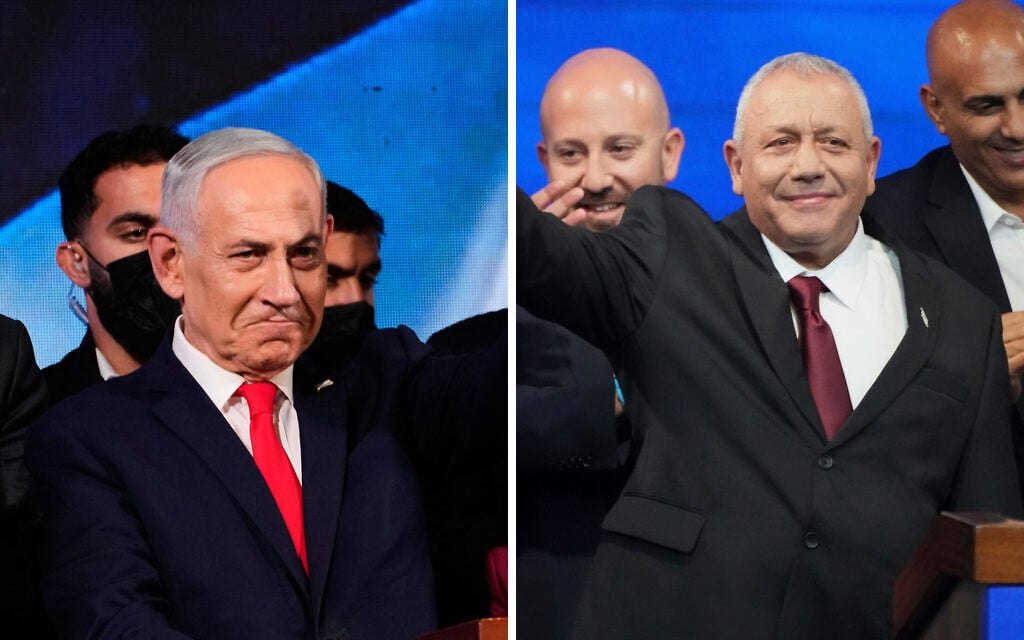
On Wednesday, Israeli Prime Minister Benjamin Netanyahu and his rival Gadi Eisenkot each pledged to form a government despite both falling short in the initial elections following the October 7 events. Voters participated in the highest numbers in decades, demonstrating discontent with Netanyahu's rule and his push for a more right-wing Israel.
Exit polls indicated a tight race between Eisenkot's opposition bloc and Netanyahu's hard-right camp, neither of which secured a majority in parliament. The election saw significant support for Arab Israeli parties, who had a strong turnout against Netanyahu's policies. Netanyahu called for a "strong government of the right" and suggested a potential third bombing campaign against Iran, while Eisenkot warned against using Israel's security for political benefits.
Both leaders vowed to work on forming a government, with Eisenkot emphasizing the need for change and an end to extremism in the West Bank. Despite their differences, some Israeli Arab leaders expressed openness to forming a government with Eisenkot, though Netanyahu remained skeptical about the legitimacy of a government reliant on Arab votes.
The election's results highlight Israel's isolation on the global stage, driven by ongoing conflicts and political turmoil at home.
Written by urgent.news from Dawn's reporting — not their text. Machine-written — may contain errors; check the original before relying on it.
This story
This is one outlet's version. Read the fullest account.
- Netanyahu, rival Eisenkot both vow to form government after inconclusive Israeli election dawn.com
- Netanyahu and rival Eisenkot deadlocked as both claim mandate in Israel election malaymail.com
- Trump claims endorsement shifted momentum for Netanyahu in 26th Knesset election race jpost.com
- The Movement: Israeli election could bridge widening gap within GOP thehill.com
- Israel election deadlock deals blow to Netanyahu, but no clear path for rival to take power thevibes.com
- Israel election results: With no clear majority in sight, what could happen next? timesofindia.indiatimes.com
- Israeli election has no clear winner, exit polls suggest. Here's what to know and what's likely next mainichi.jp
- Israel’s election: What happens next? ft.com