Eaton Wildfire Exposed Millions to a “Cocktail of Chemicals”
Compared to a nearby wildfire that primarily burned vegetation, the smoke plume from the urban Eaton Fire contained 3 times as much arsenic and 50 times as much lead.
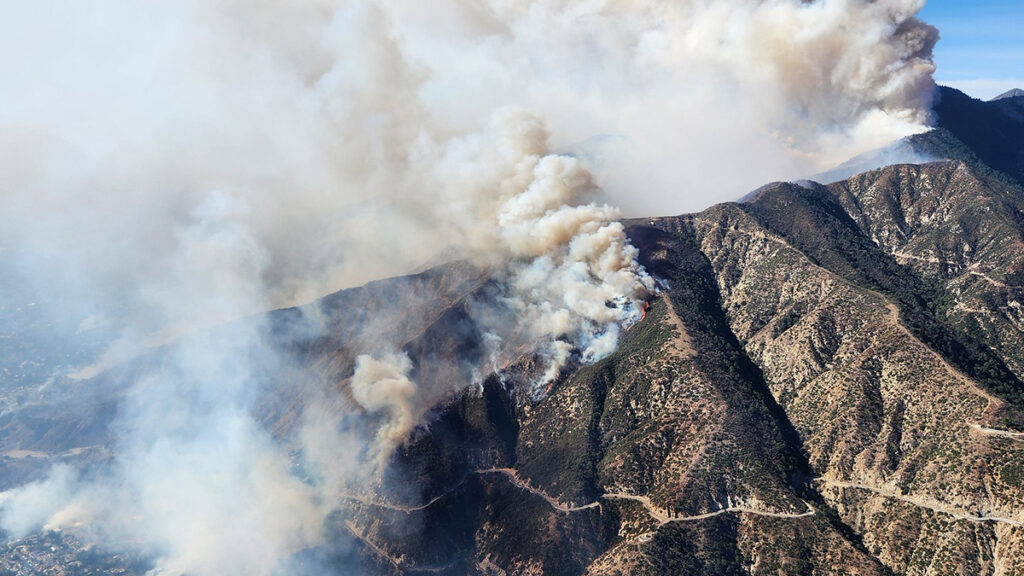
On January 2025, the Eaton Fire in Los Angeles claimed 19 lives, forced the evacuation of over 100,000 residents, and razed nearly 9,000 buildings. A recent study, published in Science Advances, reveals that the smoke from this urban wildfire contained 50 times more lead, 7 times the halogens, and 3 times the arsenic compared to smoke from a non-urban wildfire.
Michael Kleeman, a civil and environmental engineer at the University of California, Davis, praised these measurements as the first real-time monitoring of toxicity levels in a large urban fire plume. He highlighted that the burning buildings and vehicles contributed toxic chemicals with unique health risks. The research utilized the Atmospheric Science and Chemistry mEasurement NeTwork (ASCENT), a network of 12 air quality monitors across the United States, which provides continuous measurements of PM 2.5 particles.
Unlike traditional air quality monitoring, ASCENT captures short-term fluctuations and spikes during events like fires, enabling a more accurate assessment of health impacts. The study compared the Eaton Fire's smoke to a September 2024 fire in Riverside, California, which primarily burned vegetation. While both plumes had similar amounts of PM 2.5, their chemical compositions differed significantly.
The Eaton Fire contained 7 times more chlorine and bromine, 4 times more zinc, over 3 times more copper and arsenic, and notably 50 times more lead. Inhalation of bromine or chlorine can cause coughing, dizziness, and even respiratory failure, while arsenic is a confirmed carcinogen, with no safe level of exposure as per the World Health Organization.
The study's authors emphasized that the differences in plume chemistry were due to the fire's fuel sources, including lead paint in structures, arsenic-treated wooden fences, and PVC plumbing pipes. Additionally, household items such as cleaning supplies, plastic bins, gas stoves, furniture, and parked cars all contributed to the unique chemical cocktail.
To aid in understanding the aerosol chemistry and its impacts on climate and human health, the research team has released an open-access ASCENT database containing all monitoring data from 2023 to 2024 and real-time air quality data.
Written by urgent.news from Eos's reporting — not their text. Machine-written — may contain errors; check the original before relying on it.