Cut tax, reduce deficit, grow economy. Can B.C. Conservatives do it all at once?
Cutting tax and simultaneously fixing the budget "are contradictory," said Werner Antweiler, a professor at the University of British Columbia.
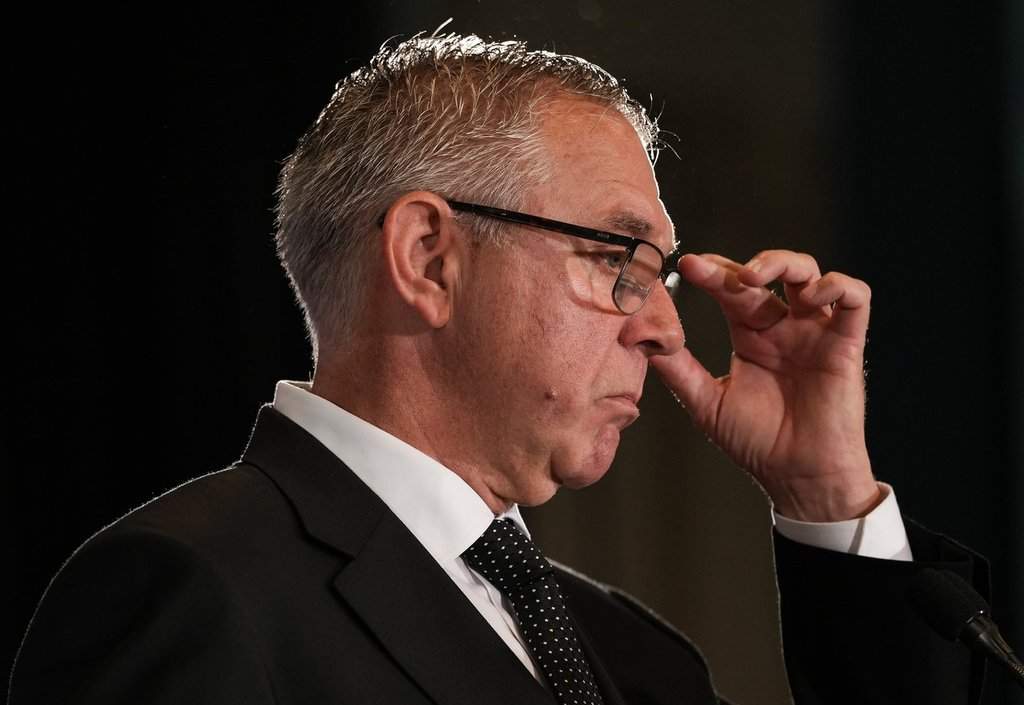
The B.C. Conservatives appear to have a strong mandate to fulfill their election promises of cutting taxes, reducing the deficit, and boosting the economy by 3.2 per cent. However, some economists caution that achieving all these goals simultaneously will be a significant challenge.
Werner Antweiler, a UBC professor, argues that cutting taxes and fixing the budget are contradictory actions. He notes that the projected $14-billion deficit is a result of government spending, which also contributes to economic growth. Meanwhile, Marc Lee, a senior economist with the Canadian Centre for Policy Alternatives, points out that the surge in public sector employment since 2019 has outpaced private sector growth.
Jairo Yunis, policy director at the Business Council of B.C., emphasizes the need for public sector cuts as part of an extensive review of government spending. He suggests that the province should examine programs for potential elimination, address duplication, and explore alternative delivery methods. The review could potentially halve the deficit, improve discipline around contingencies, and lower regulatory burdens.
The Conservatives have promised to increase B.C.'s basic personal income tax exemption to $32,000, providing an average $1,000 tax cut for most workers. However, the platform leaves out details on what specific cuts may be necessary to address the deficit.
Antweiler acknowledges that the Conservatives' plan to shrink the public workforce is necessary but acknowledges it will be difficult due to the unionization of the public service and the inability to cut spending on essential services like health care, education, and public safety. He emphasizes that some level of austerity is needed to fix the current issues.
The Conservatives anticipate a 3.2 per cent economic growth rate by 2029, which would generate an additional $2.62 billion in revenue without raising taxes. However, Antweiler warns that this forecast is overly optimistic. Marc Lee suggests that while economic growth could sometimes improve quickly in the past, there is significant uncertainty in the current situation.
Lee highlights that the provincial economy is largely dependent on trade, housing, immigration, and government spending. He notes that the trade engine is struggling due to trade tensions, and the housing market is stagnant due to changes in immigration policies. Lee argues that the B.C. budget has contributed to economic growth but that the deficit needs to be addressed, either through tax increases or spending cuts.
Antweiler supports an "all-of-the-above" approach, combining cuts with higher revenues from economic growth and indirect forms of taxation. He suggests that the outgoing NDP government made a mistake by eliminating the carbon tax, which created a $2-billion budget hole. He advises the next finance minister to explore various options, including raising resource royalties, shifting taxation from income to consumption, and encouraging investment.
Yunis emphasizes that B.C. faces more of a spending problem than a revenue problem and suggests improving tax competitiveness. All three economists agree that the new finance minister faces a difficult task, emphasizing the need for decisive action to turn the province's financial situation around.
Written by urgent.news from Global News's reporting — not their text. Machine-written — may contain errors; check the original before relying on it.
Also reported by 1 other outlet
- Cut tax, reduce deficit, grow economy. Can B.C. Conservatives do it all at once? winnipegfreepress.com