Corsa delle aziende al business dell’Aerospazio
A fronte di un settore automotive italiano ed europeo in difficoltà, è il business dell’aerospazio a catturare un interesse crescente da parte delle imprese, alla ricerca di comparti in crescita...
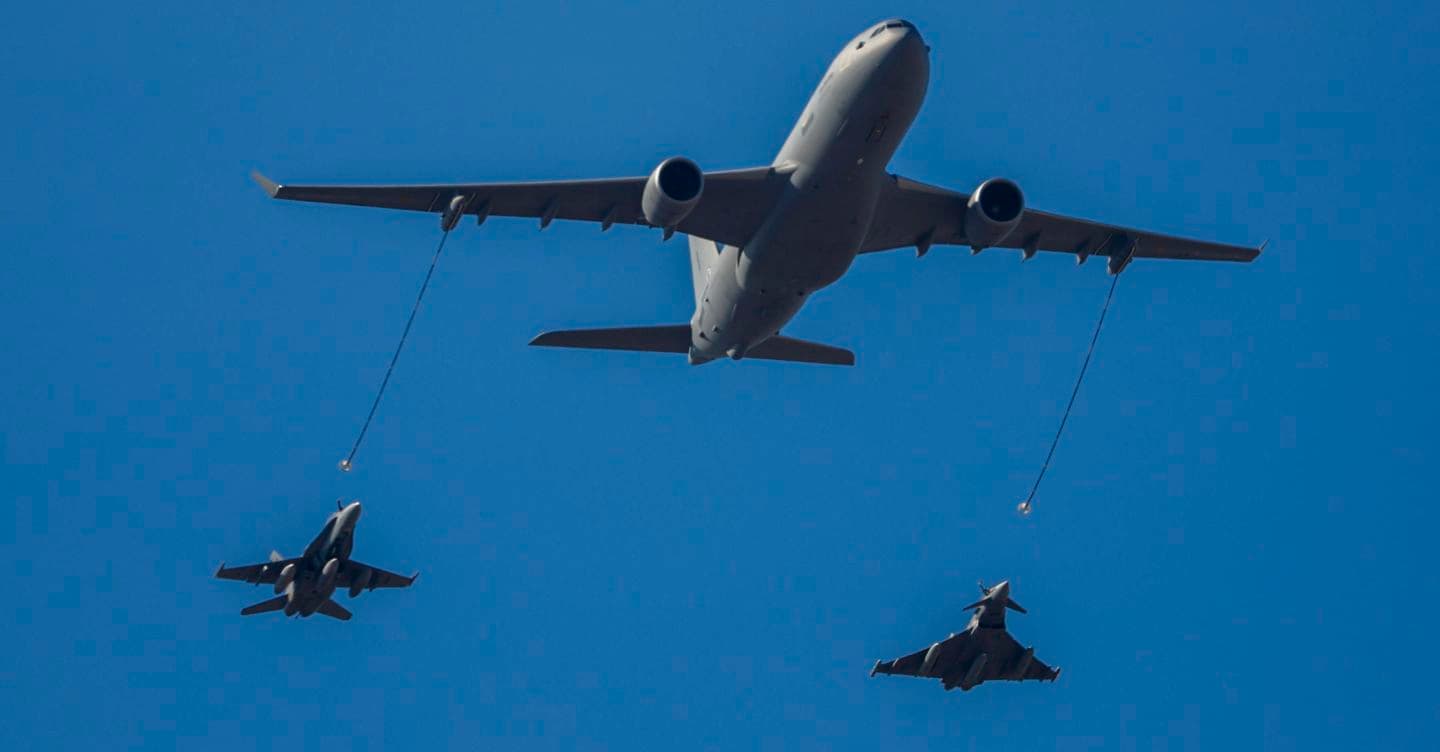
An Italian and European automotive sector, struggling for survival, is witnessing a growing interest from businesses in the aerospace industry. This is confirmed by a recent survey conducted by Made-Competence Center, which also highlights that the technological distance between manufacturing companies already working in this sector and those wanting to enter it is minimal.
The difference lies in access to relationship networks, availability of information, and knowledge of the necessary documentation requirements to operate in the sector. These insights come from the Made-Competence Center Industria 4.0 survey, which polled 202 companies: 94 already operating in the sector, 88 interested in entering it, and 20 with no interest expressed.
The survey aims to delve into the main challenges and needs of manufacturing companies, identifying areas for support in their entry and development in Aerospace & Defence. The event "MADE 4 Aerospace & Defence: Challenges, Requirements and Opportunities" was held in Milan to present these results. The strong interest in the sector is evident, with 85% of the 108 companies not yet active in Aerospace & Defence stating their intention to enter it.
The main areas of interest are defense (73%) and aviation (66%), followed by drones (35%) and the space economy (26%). However, this interest does not automatically translate into commercial opportunities, as about two out of three interested companies have not received any requests from potential clients. For companies already active in the sector, one of the main challenges is sustaining growth in production volumes while maintaining efficiency, with nearly six out of ten reporting difficulties in this area.
Technologically, the distance between companies already active in Aerospace & Defence and those interested in entering it is relatively small. On average, the former adopt 3.9 of the eight digital technologies surveyed, compared to 3.5 for the latter. In digital design and simulation, adoption levels are largely aligned, at 76% and 66% respectively.
The most significant gap is in data analysis and Business Intelligence, adopted by 50% of companies already present in the sector and 24% of those intending to enter it. The difficulties in accessing the sector do not depend solely on the level of technology adoption but primarily on the ability to establish relationships with prime contractors (indicated as an obstacle by 47% of both interested and already operating companies) and identify the right subjects for training (36%).
Operating in Aerospace & Defence requires verifying what is produced, the adopted processes, and the controls carried out, through tools and procedures that ensure traceability, documentary evidence, and statistical process control. Implementation times represent another challenge, with costs cited by only 24% of the survey sample.
The picture fits into an increasingly strategic part of the country's industrial competitiveness. In 2024, the Italian aerospace sector generated 21.4 billion euros in revenue and employed 54,300 people, with 80% of the industry composed of SMEs. Growth has been driven primarily by the space sector, which grew from 1.9 billion euros in 2021 to 3.1 billion euros in 2024.
Globally, the space economy could reach $1.790 trillion by 2035, according to the MIT Center for Studies report. By the same timeframe, Confindustria estimates that investments in the national aerospace, defense, and security sectors could generate up to three extra points of GDP. Made Director General Miriam Merenda commented that aerospace and defense are two sectors experiencing strong expansion, and Italian manufacturing companies largely possess the skills and technologies to enter them.
The gap lies in access, requiring companies, especially those of limited size, to be guided in understanding requirements, demonstrating them through reliable documentation and data, identifying the right interlocutors in a selective and trust-based industry. Businesses need to be accompanied on this journey to make the access path clearer and more structured, helping companies identify areas for intervention and leverage existing skills.
This is Made's objective, working to clarify the access process and favor encounters between businesses and the emergence of new collaboration opportunities.
Written by urgent.news from Il Sole 24 Ore's reporting — not their text. Machine-written — may contain errors; check the original before relying on it.