COP31: Q&A: ‘We suffer the consequences more, then pay more to finance the response’
Uruguay’s climate change director María Fernanda Souza talks finance and geopolitics with Dialogue Earth ahead of the UN climate summit The post COP31: Q&A: ‘We suffer the consequences more, then pay more to finance the response’ appeared first on Dialogue Earth .
COP31, the 31st Conference of the Parties to the United Nations Framework Convention on Climate Change, kicks off in Antalya, Türkiye on November 9th. The outlook for developing nations attending the summit appears bleak, as wealthier nations are reducing their climate financing contributions. The United Kingdom recently slashed its funding for the Green Climate Fund by half, while geopolitical tensions, such as the Gulf conflict, have heightened concerns about energy security for many governments.
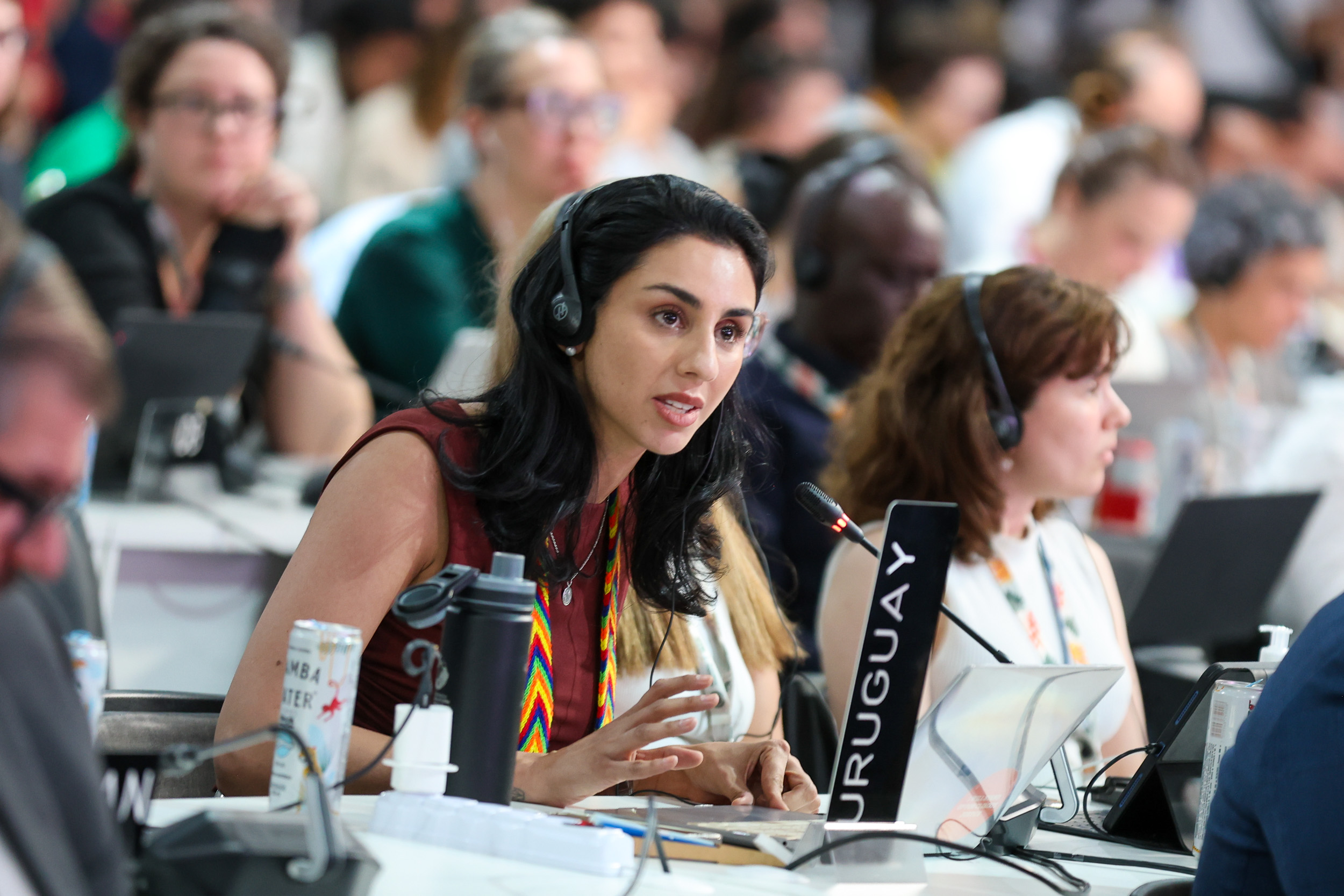
María Fernanda Souza, a key player in Uruguay's climate change policy and the alternate chair of the Group of 77 and China, discusses these issues in an interview with Dialogue Earth. Souza emphasizes that adaptation should be the primary focus for Uruguay and the G77 bloc at COP31. As a coastal, agro-exporting country, Uruguay is particularly vulnerable to climate change impacts.
The Group of 77, a coalition of developing nations, also emphasizes the need for a just transition to clean energy economies. However, there are disagreements among countries on how to implement this mechanism effectively. Souza highlights that while developed nations are grappling with economic strain and reduced political will for international climate finance, the transition still necessitates critical minerals often found in the Global South.
Concerning climate finance, Souza points out that some countries have withdrawn or restructured their contributions. The United Kingdom's reduction in funding for the Green Climate Fund is a prime example. Furthermore, there are concerns about the accessibility of the funds, as Uruguay's climate policy heavily relies on concessional projects financed by the Green Climate Fund, with many projects waiting for approval for six or seven years.
Souza attributes this delay to political pressures on the fund to convert grants into loans or private-sector schemes.
Although Uruguay's unconditional climate commitments are being met, the conditional aspects, particularly those related to adaptation, are challenging due to a lack of international financing. Souza notes that developed countries benefit from lower borrowing rates, while developing nations facing extreme weather events pay significantly more to finance the response.
In response to these challenges, Uruguay has taken steps to improve its access to funding. The country has integrated climate policy into its economic policy, resulting in better financing conditions for its climate commitments. Uruguay has also issued sovereign bonds indexed to climate indicators, such as maintaining all native forests, and is currently working on a second bond tied to adaptation indicators.
Souza believes that these institutional solutions will help access resources and support the development model for other countries in the Global South.
Written by urgent.news from Dialogue Earth's reporting — not their text. Machine-written — may contain errors; check the original before relying on it.