Commentary: Why staying indoors may not be enough when haze hits
When sheltering from haze in indoor spaces, air filtration, cooling and ventilation need to be considered together, says SUSS’ Zuraimi Mohamed Sultan.
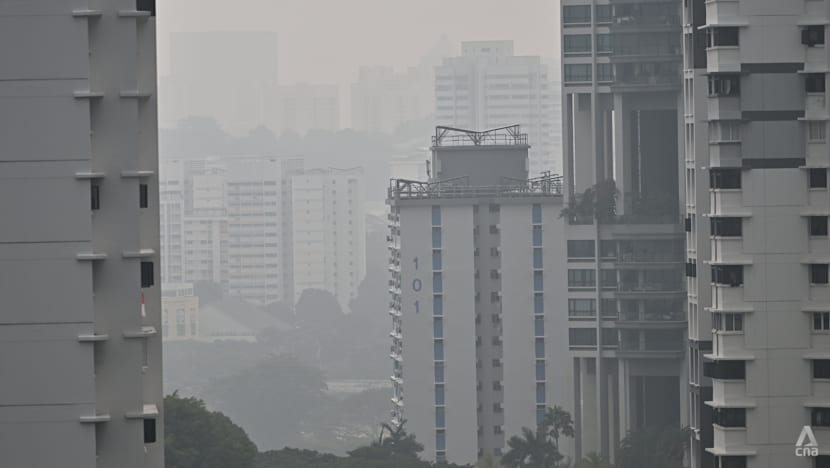
The recent haze episode in Singapore, which lasted for 18 consecutive days, has highlighted the challenges of staying indoors to protect against haze particles. While the National Environment Agency (NEA) recommends that individuals stay indoors and close windows and doors to reduce exposure to haze particles, this can sometimes involve trade-offs between health and comfort.
For instance, an older person living in a flat without air-conditioning may find that closing windows makes the home warmer and stuffier, while reopening them during haze allows particles back inside. The article emphasizes that the ability to maintain a comfortable indoor environment with reduced haze exposure depends on various factors such as housing circumstances, financial resources, mobility, and available support.
It also notes that existing haze preparedness measures provide important protection, but their effectiveness should be assessed under actual occupancy and operating conditions to ensure that particle exposure, ventilation, and thermal comfort are adequately managed.
Brief written by urgent.news from CNA - Singapore's own syndicated text. Machine-written — may contain errors; check the original before relying on it.
Also reported by 1 other outlet
- Commentary: Why staying indoors may not be enough when haze hits channelnewsasia.com