Coalition fights to save pristine Limpopo bushveld from huge Chinese industrial land grab
Conservationists, farmers and local communities are fighting to halt a multibillion-rand, high-polluting string of Chinese-owned factories planned for a pristine biodiverse corridor along the Limpopo River. The first coal pit has already been dug.
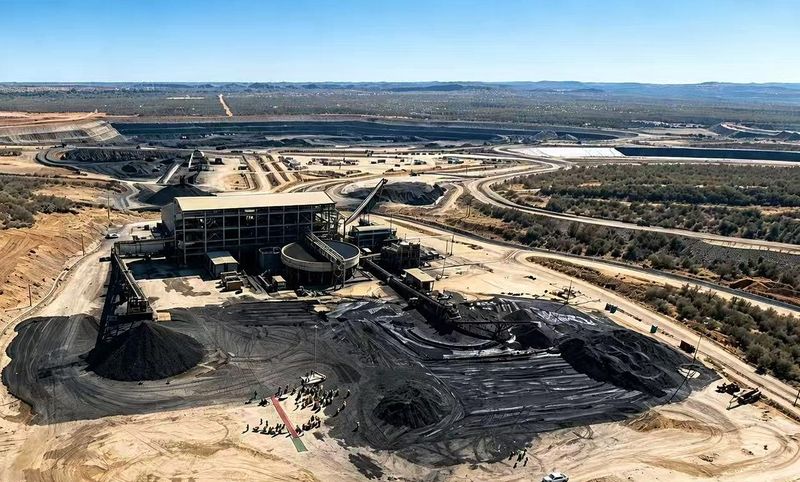
Conservationists, farmers and local communities in Limpopo are fighting against a plan for a massive Chinese-owned industrial complex along the Limpopo River. The first coal pit has already been excavated in what is a pristine biodiverse corridor. Kinetic Development Group, a Chinese industrial giant, is behind the project and has dug a large coal pit in the middle of a protected area near Tshipise.
This is part of a larger plan to develop a coalfield and metals manufacturing industry in a UNESCO biodiversity reserve between the Soutpansberg Mountains and the Limpopo River.
The Limpopo Department of Economic Development, Environment and Tourism (Ledet) is both promoting the development and judging its environmental acceptability. The coalition has taken legal action, investigated compliance breaches, filed objections and petitioned ministers, but their efforts have been rebuffed. They view Ledet's authority as a mockery of the environmental impact assessment process and a clear violation of procedural fairness.
The area in question is the Vhembe Biosphere Reserve, which encompasses farms, wildlife corridors, the Mapungubwe World Heritage Site, the Makuleke wetlands and part of Kruger National Park. Within this reserve, Kinetic-controlled MC Mining's Makhado colliery is already operational and there are linked industrial plans including coke ovens, power generation and smelters. These projects are all part of the Musina-Makhado Special Economic Zone, backed by the government.
The Vhembe Biosphere Reserve covers about three million hectares, 84% of which remains in its natural state. The Makhado coal pit lies adjacent to the proposed smelter cluster and is central to the overall development. The concern is that these connected projects are being assessed separately, allowing their combined demands and consequences to slip between the files.
The coalition's main concern is the water demand of the coal mine and the smelter project, as well as the impact on the already stressed Nzhelele River catchment and other water users. The proposed coke and power plant project would further increase the water demand in a region where it is already limited. The coalition argues that authorizing a project with uncertain water supply and technical feasibility is irrational.
Written by urgent.news from Daily Maverick's reporting — not their text. Machine-written — may contain errors; check the original before relying on it.