China's AI Stock Bubble Just Burst. Here's What Developers Should Actually Take From It
While everyone has been arguing about whether there's an AI bubble, China quietly had one, and it has already popped. China's STAR50 index of AI and chip companies has fallen about 40% from its July high in under four months , erasing roughly $480 billion in market value, according to Reuters. The broader CSI300 is in bear-market territory. The Nasdaq, meanwhile, is only about 6% off its record.…
China experienced an AI stock bubble that burst recently, with the STAR50 index of AI and chip companies falling about 40% in under four months. The broader CSI300 also entered bear-market territory. While the Nasdaq is only slightly down from its record, this story is particularly relevant to developers rather than fund managers. Here's what developers should take from it:
The rally was fueled by Beijing's push for AI and chip self-sufficiency, with investors betting that government backing meant the stocks couldn't lose. Popular companies like MetaX and Unitree saw their IPOs gain massive traction, with MetaX's shares jumping 693% on its first day of trading and Unitree's shares rising 629% on its debut.
The peak of the stock market rally was evident when the STAR50 index traded at nearly 250 times earnings. However, the crash was swift. Companies like Unitree, MetaX, and Moore Threads have since halved in value. Optical module makers, such as Zhongji Innolight and Eoptolink, saw their shares drop by around 60%.
Developers should be aware that the hardware sector, which includes optical transceivers, memory chips, and GPUs, took the hardest hit. These suppliers are critical for AI infrastructure, and a geopolitical restriction on their products could significantly impact companies relying on them. Additionally, valuations don't necessarily reflect a company's capabilities.
Even after a 40% fall, the STAR50 index still trades at around 100 times earnings, similar to the Nasdaq 100's 30 times earnings. This indicates that investors overpaid, but it doesn't mean the technology or engineering has worsened.
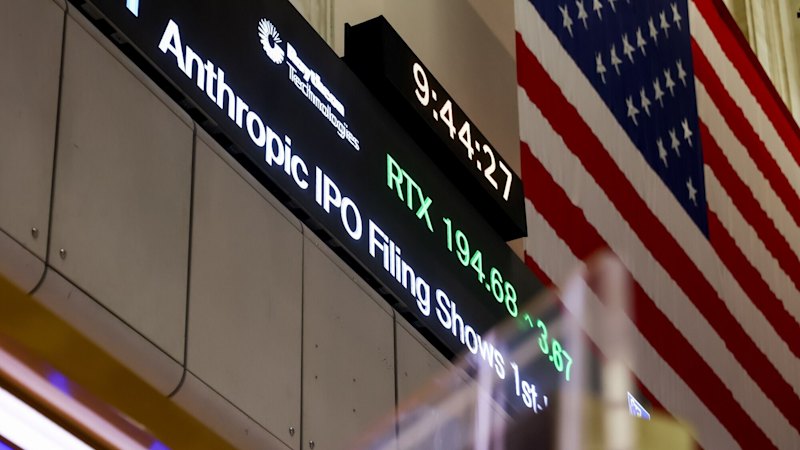
Funding freezes may also slow down new tech IPOs in China, leading to less capital for research and development and potentially slower product cycles. This could result in consolidation among hardware or cloud vendors. Importantly, the AI bubble is not yet a global phenomenon. While China's AI stocks have been affected, other regions, like the US, are showing different trends. For instance, Anthropic filed for its IPO with strong revenue growth, and US AI stocks are rallying.
In summary, the government's support for this sector highlights its importance, but it doesn't guarantee the stock's value. Developers should remain cautious and focus on the underlying technology and engineering rather than being swayed by hype.
Written by urgent.news from Dev.to's reporting — not their text. Machine-written — may contain errors; check the original before relying on it.