Capturing the complete process of embryonic development
By tracking over 1 million cells, researchers created a detailed map of embryonic development in mice. It could provide development and disease insights.
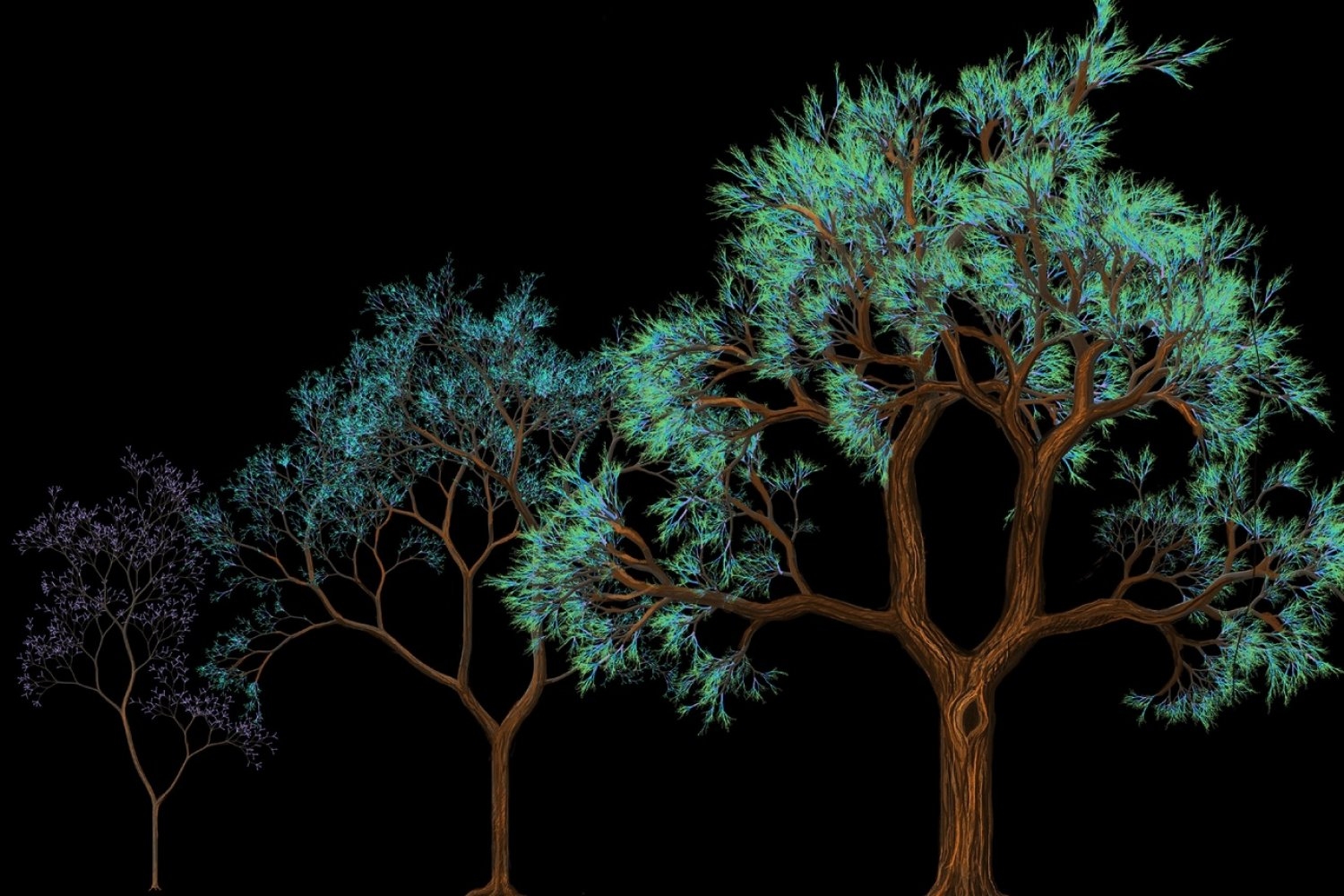
Scientists have developed a comprehensive map of mammalian embryonic development, providing a detailed view of how a single fertilized egg gives rise to hundreds of different cell types. The research, led by MIT Professor Jonathan Weissman and published in the journal Cell, involved following the lineage of over a million cells in mouse embryos as they developed.
The study, a collaboration with researchers from Yale University and the Max Planck Institute for Molecular Genetics, uses a technology called PEtracer, which leaves heritable changes in DNA that can be read later to trace cell ancestry. By combining these family trees with information about gene activity and cell location, the researchers created a "developmental blueprint" showing how cells divide and differentiate into the various tissues and organs of the body.
This detailed map could have significant implications for understanding birth defects and cancer. Birth defects often arise when cells deviate from their typical developmental paths, and a comprehensive map of normal development could help identify where and when these errors occur. In cancer, the same approach could reveal when cells acquire malignant traits, such as the ability to spread or resist treatment.
The research also has potential applications for stem cell research, as it could provide a step-by-step guide for transforming stem cells into specific mature cell types. The new study builds upon earlier work in which scientists traced the development of the transparent, worm-like Caenorhabditis elegans, which has only about 1,000 cells. However, studying mammalian embryos presents a far greater challenge due to their larger cell populations, internal development sites, and less predictable developmental trajectories.
The new technique, compared to the Human Genome Project, is akin to providing the "instructions" for building an organism, outlining the sequence of cell states that lead to functional, mature cell types. While other studies have used related approaches to track cell divisions in developing mice, this work provides a more detailed and comprehensive view, particularly by analyzing multiple embryos at closely spaced developmental stages.
Written by urgent.news from MIT News Research's reporting — not their text. Machine-written — may contain errors; check the original before relying on it.