Autumn Budget 2026: Bank tax will hardly ‘do no harm’
This Autumn Budget fell a little short of the ‘do no harm’ test, especially concerning the bank tax, writes Miles Celic
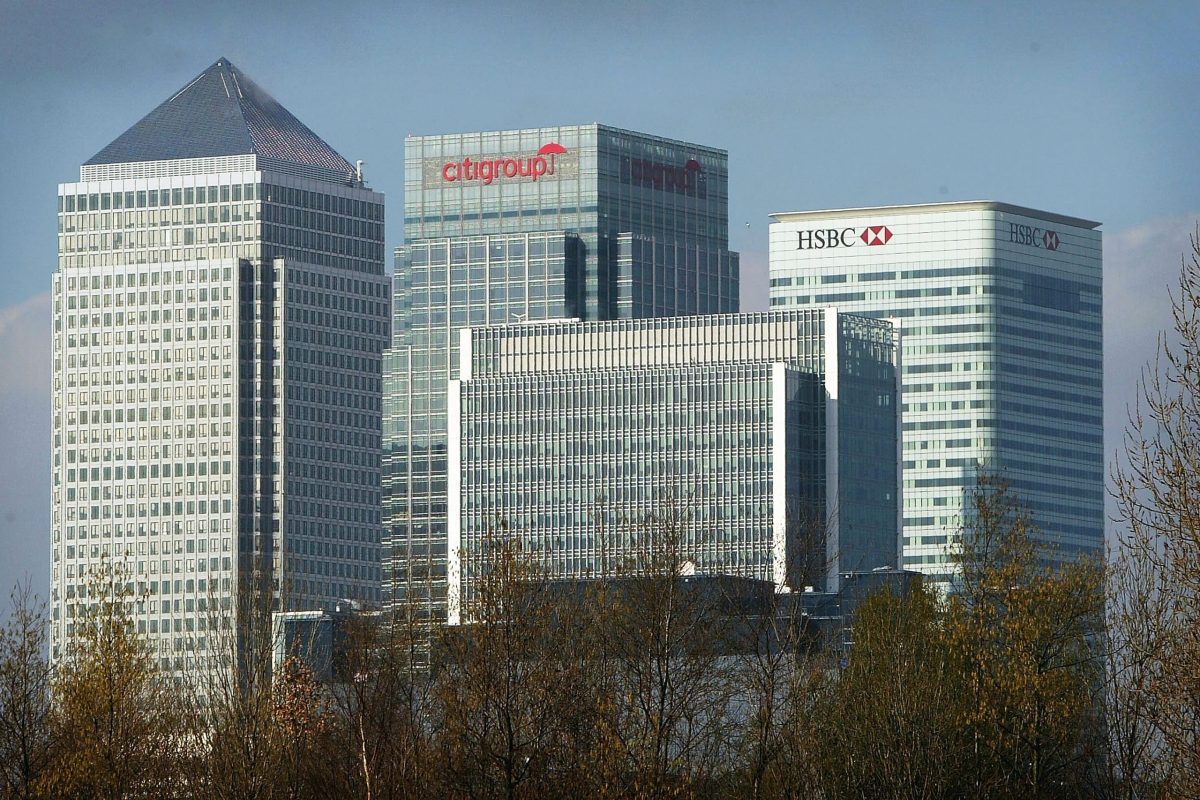
The Autumn Budget 2026 fell short of the "do no harm" standard, particularly regarding the bank tax, according to Miles Celic, CEO of The City UK. While the Chancellor acknowledged the contribution of financial and related professional services to jobs and investment across the UK, the measures did not fully align with that ambition.
The bank surcharge increase from three per cent to six per cent, set to be timebound for 15 months, negatively impacts the UK's competitiveness. Despite this timebound nature, its effect on the country's attractiveness compared to its main competitors is concerning. Financial and related professional services, which contribute 11 per cent to UK economic output and employ around one in every 13 working people, are a major contributor across every region and nation.
The industry's growth has a significant impact on people's daily lives, helping them to buy homes, invest, and manage risk. The decision not to remove Stamp Duty on UK equities is seen as a missed opportunity to lower investment costs and strengthen UK capital markets. The Chancellor's commitment to reverse the cash ISA cut made in the last Budget should focus on increasing investment into UK growth companies.
The Fiscal Devolution Roadmap and measures to boost entrepreneurship and tackle regulation are also welcomed. The budget's success should be judged by the investment secured and the opportunities created locally. Nonetheless, the budget presents a mixed picture, with decisions that risk hindering investment and others that could bolster UK competitiveness if effectively delivered with the right partnerships.
Written by urgent.news from City AM's reporting — not their text. Machine-written — may contain errors; check the original before relying on it.
This story
This is one outlet's version. Read the fullest account.