As wildfires rage, Canadian researchers study the life that comes after
The reporting and photography for this story was fully supported by a 2025-2026 grant from the Sitka Foundation and the Science Media Centre of Canada. Four of the five worst years recorded for global forest fires occurred since 2021. And 2026 is no exception, with hundreds of thousands in North America, Europe and Africa forced […]
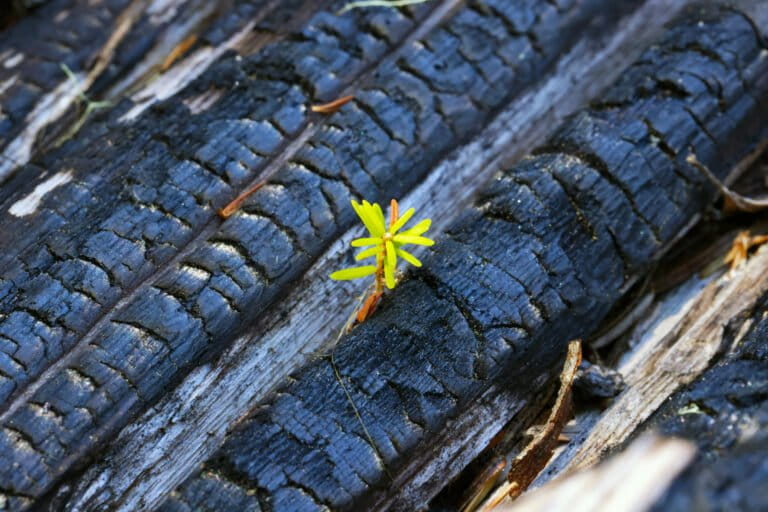
As wildfires continue to rage across North America, Europe, and Africa, Canadian researchers are delving into the fascinating world of life that emerges after such devastating fires. Driven by the fact that the four worst years on record for global forest fires have all occurred since 2021, and 2026 is no exception, scientists are studying how ecosystems recover and which organisms thrive in the aftermath.
Conservation biologist Karen Hodges emphasizes that fire has been a fundamental force in nature for millions of years, shaping the evolution of terrestrial animals. With climate change intensifying the frequency and severity of fires, it is crucial to understand the post-fire dynamics and their implications for biodiversity.
In British Columbia’s fire-affected Interior, researchers are observing the resilience of various species. Charcoal-munching fungi, heat-sensing beetles, and birds are among the organisms being studied to determine their survival strategies and the reasons behind their responses. Additionally, at-risk carnivores are being monitored to assess their adaptability to the changing landscape.
One notable example is Lieutenant Dan, Canada's largest known living ponderosa pine, situated in British Columbia's Montane Cordillera, the country's most biodiverse region. This ancient tree, along with many other organisms like it, has evolved alongside fire for millennia, adapting to the cyclic nature of wildfires.
As the logging of the surrounding forest progresses, researchers emphasize the importance of understanding how these post-fire ecosystems function and the long-term impacts on biodiversity. The findings from these studies could provide valuable insights into managing and conserving fire-prone areas, ultimately benefiting both nature and human communities.
Written by urgent.news from Mongabay's reporting — not their text. Machine-written — may contain errors; check the original before relying on it.