Arab parties set sights on removing Netanyahu as Israel counts last votes
Politicians from Israel 's Arab minority set their sights on removing Prime Minister Benjamin Netanyahu on Wednesday as they savoured an election result that increases their presence in parliament. With most ballots counted, neither Mr Netanyahu nor opposition parties led by former army general Gadi Eisenkot had a majority in the 120-member Knesset. The two rival camps were hovering around 50…

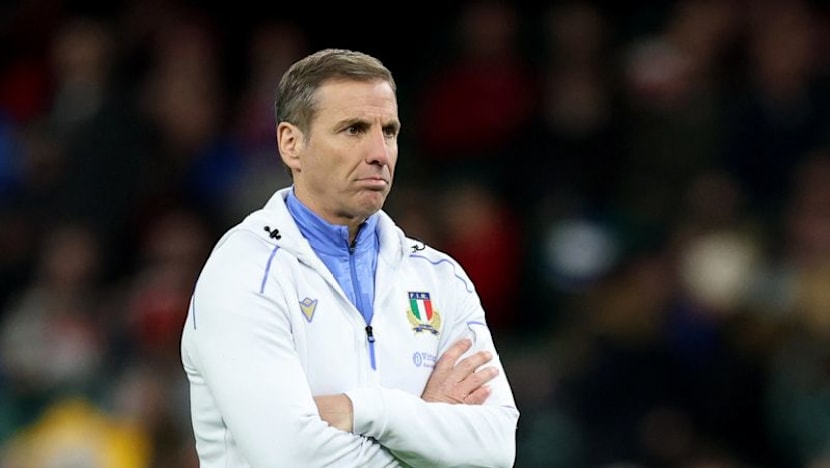
As election results from Israel were being counted, Arab parties were eyeing the opportunity to remove Prime Minister Benjamin Netanyahu from power. With most votes tallied, neither Netanyahu nor opposition leader Gadi Eisenkot, who leads the former army general Gadi Eisenkot's camp, had achieved a majority in the 120-member Knesset.
The two rival factions were evenly matched, with Netanyahu's bloc slightly ahead, projected to hold 51 seats compared to Eisenkot's 49. The Arab parties were poised to win an increased 18 seats, up from the 10 they secured in the last election, which could play a critical role in forming a government.
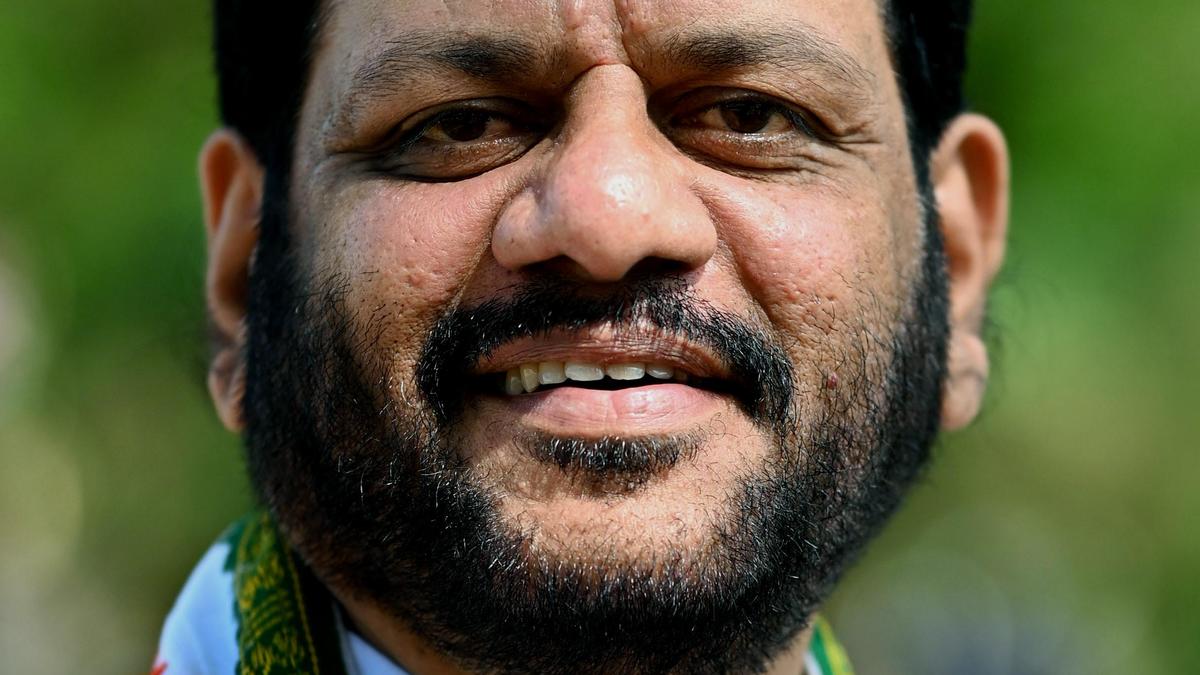
The result left Israel's President Isaac Herzog appealing to political parties to avoid an early second election and enter negotiations with an open mind. The last votes were expected to be counted by Thursday. Voter turnout was reported at 77.7 percent, the highest since 1999. Joint Arab List chairman Yousef Jabareen stated the bloc was "ready and prepared to pave the way for the ousting of the Netanyahu government" after securing the most votes among Arab parties.
Jabareen called for a "true and equal partnership" between Jewish and Arab Israelis, proposing an alternative to Netanyahu's government of "bloodshed, supremacy, racism, and exclusion."
Arab Movement for Change head Ahmad Tibi stated the choice was "either Bibi or Tibi," referencing Netanyahu's nickname, and noted that Arab parties were prepared to support an Eisenkot government but would not collaborate with Netanyahu. Turnout was notably high in Arab communities, with some first-time voters participating. Analysts suggested that forming a government with Arab parties would be politically risky for Jewish Israeli politicians, especially during a sensitive period in the Israeli-Palestinian conflict.
However, some opposition leaders, such as Yair Golan of the centre-left Democrats, did call for an agreement with Arab parties, claiming Netanyahu had lost his majority in the Knesset. Eisenkot also urged Netanyahu not to attempt to use the situation to serve his own political needs, including potentially attacking Iran. Despite Netanyahu's long tenure as Israel's Prime Minister, his Likud party remained the largest single force in the Knesset, maintaining a base of support despite divisive policies.
The outcome of the election has raised concerns that Netanyahu might attempt to exploit the post-election period to advance his own agenda, possibly concerning Iran.
Written by urgent.news from The National UAE's reporting — not their text. Machine-written — may contain errors; check the original before relying on it.