ANALYSIS: Treasury faces high-stakes battle on the road to social safety net grant reform
South Africa operates one of the largest social assistance systems in the developing world, with the ‘social wage’ accounting for more than 60% of government expenditure. Of course, there will be resistance to any change.
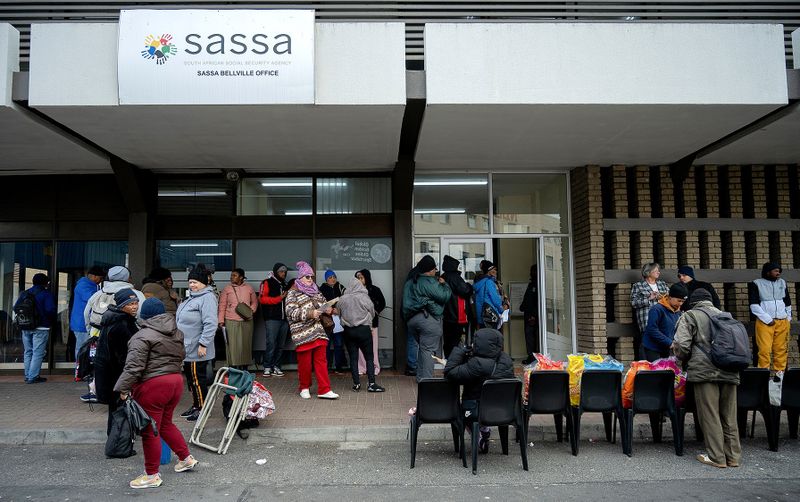
South Africa's social assistance system, often referred to as the 'social wage,' accounts for over 60% of the nation's government expenditure. However, this welfare system is highly selective, with most grants being means-tested and reserved solely for those with little to no income. The introduction of the temporary Social Relief of Distress (SRD) grant during the COVID-19 pandemic has allowed working-aged adults to receive some support, but the grant amounts remain far below the official food poverty lines, primarily functioning as emergency protection against extreme hunger rather than providing full income replacement.
The Constitution's Section 27 guarantees the right to social security, including appropriate assistance for those unable to support themselves and their dependants. Section 27(2) further states that the state must take reasonable measures within its available resources to progressively realize these rights. This constitutional obligation has long been utilized to advocate for expanding the welfare system.
In recent budget discussions, Finance Minister Enoch Godongwana highlighted savings made by improving grant recipient verification, which Daily Maverick initially perceived as a positive step in reducing fraud. However, the Institute for Economic Justice (IEJ) has criticized the government's fiscal strategy, particularly the R13 billion cut from social grants. Dr Kelle Howson of the IEJ argues that these cuts are arbitrary, cruel, and economically short-sighted, primarily impacting marginalized communities.
National Treasury, on the other hand, emphasizes macro-fiscal sustainability, expenditure restraint, and systemic efficiency. They acknowledge the constitutional obligation to provide a functional social security system and recognize the challenges posed by extreme poverty, unemployment, and food insecurity. Both parties agree that fraud and corruption must be addressed within the social grant system, but their approaches differ significantly.
While National Treasury focuses on fiscal responsibility, the IEJ advocates for a Universal Basic Income Guarantee to establish an unalienable income floor for all individuals living in poverty.
Written by urgent.news from Daily Maverick's reporting — not their text. Machine-written — may contain errors; check the original before relying on it.