Air pollution from Utah’s planned Stratos data center could spread to states as far away as Illinois: report
Stratos, the Kevin O’Leary-backed data center in Utah, is projected to consume 9 gigawatts of power when fully up and running—more than double the annual electricity use of the entire state. And if all that electricity comes from gas power plants, as proposed, that could cause an estimated 45 additional premature deaths a year, and up to $690 million in annual health damages, according to a new…
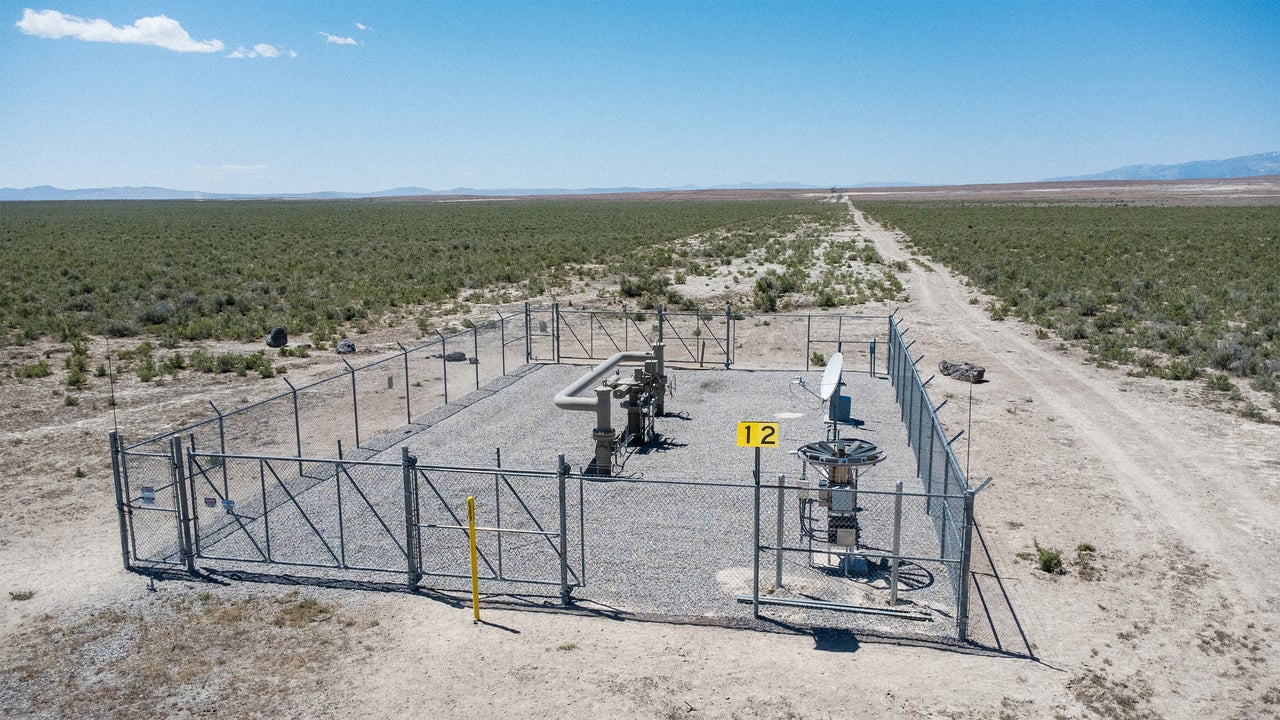
Stratos, a substantial data center backed by businessman Kevin O'Leary, is set to consume an astounding 9 gigawatts of power when fully operational, surpassing Utah's entire annual electricity consumption. According to a recent analysis by EmPower Analytics Group, commissioned by the Natural Resources Defense Council (NRDC), if this power is sourced from gas plants, it could lead to an estimated 45 premature deaths annually and up to $690 million in healthcare costs, reports the source.
The pollutants released by gas power plants, particularly fine particulate matter (PM2.5), pose significant health risks, ranging from asthma to lung cancer, heart attacks, and strokes. EmPower's founder and CEO, Michael Cork, emphasizes that the health implications of such pollution are well-established, even if the sheer scale of this data center's emissions is novel.
If the Stratos data center is powered entirely by gas, it could spew up to 3,140 tons of PM2.5 annually, with far-reaching implications. These emissions could affect neighboring states like Idaho, Wyoming, Colorado, and even Illinois, potentially causing between five and 45 premature deaths each year, and contributing to additional health issues like heart disease, respiratory illnesses, and asthma, which result in millions of dollars in economic damages.
The developers of Stratos have yet to finalize specifics on the facility's size or the type of gas-generating technology it will employ. Current plans suggest a natural gas-powered buildout. The analysis considers two scenarios: a 3 GW phase and the full 9 GW development, using both modern combined-cycle gas generation and older gas-fired reciprocating internal combustion engines.
The latter technology is linked to significantly higher health harms, up to six times more severe than the former. Cork stresses that every gas scenario examined by the report carries health risks, underscoring the potential impacts even if the first phase uses gas.
Despite concerns over water usage and pollution, Utah Governor Spencer Cox had previously stated that the project wouldn't rely solely on natural gas, aiming for nuclear, geothermal, solar, or other technologies instead. Yet, even with just the initial 3 GW phase powered by gas, the health impacts are severe, with up to 15 premature deaths annually and $230 million in yearly economic losses. O'Leary Digital, the company developing Stratos, has not commented on the report or its projected power infrastructure.
Written by urgent.news from Fast Company's reporting — not their text. Machine-written — may contain errors; check the original before relying on it.