AI worries expose dollar’s hot-money problem
Heavy foreign investment in US assets has made the dollar vulnerable if AI optimism fades and investors sell off stocks.
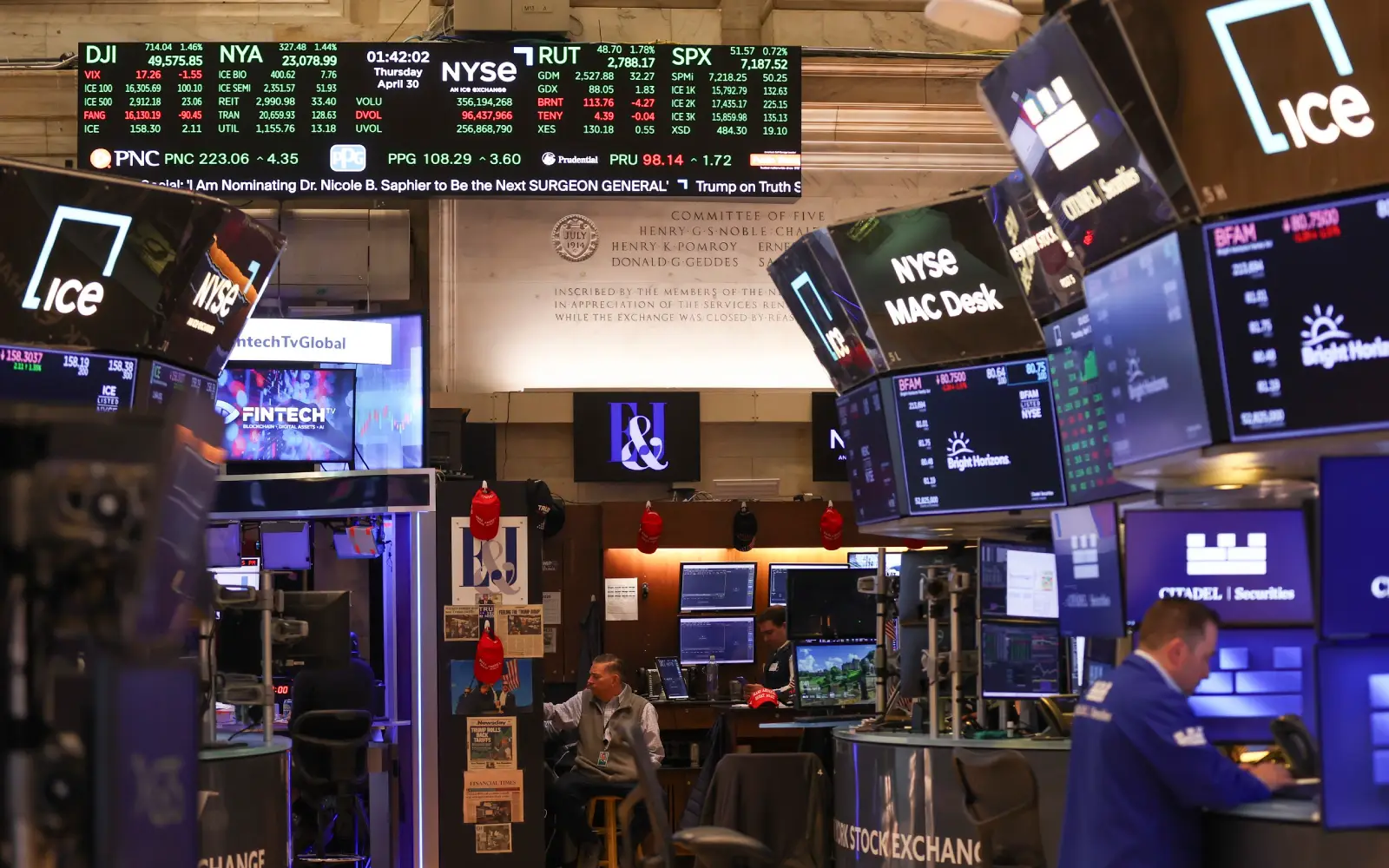
Foreign investment in U.S. equities has reached a record high, while direct investment lags, leaving flows susceptible to fluctuating market expectations. Investors have traditionally viewed the U.S. dollar as a safe haven during market downturns, but the influx of capital driven by the artificial intelligence (AI) boom could undermine that role if the trend reverses.
The dollar has become an increasingly popular bet on American exceptionalism, backed by faster growth, higher yields, and sustained foreign demand for U.S. assets.
Should the AI narrative falter, the dollar's safe-haven status could intersect with its growing role as a risk-sensitive asset owned by price-sensitive investors. A prolonged stock market decline might prompt investors to offload U.S. assets, potentially swamping the demand for the currency seeking refuge. If the AI trade unwinds, it's uncertain whether the dollar would benefit as it traditionally has, according to Dominic Bunning, head of G10 FX strategy at Nomura.
A recent warning sign emerged last week when AI valuations faced pressure, causing haven flows to favor the Japanese yen and Swiss franc over the dollar. The greenback managed to edge out modest gains against the euro, primarily due to the single currency's decline from concerns over French civil unrest. The link between the AI trade and the dollar has become more apparent when the AI trade comes under scrutiny.
Foreign flows into U.S. equities are at a record level, while foreign direct investment has lagged. Consequently, much of the capital is originating from institutional allocators who may buy or sell when they reassess U.S. growth, interest rates, or tech valuations. Erik Nelson, global head of FX strategy at Wells Fargo, likens these allocations to the "hot money" flows prevalent in emerging markets.
The AI boom has reinforced expectations of stronger U.S. growth, firmer inflation, and higher interest rates, leading to a dollar rally alongside Treasury yields, according to analysts. If returns disappoint, the unwind could affect equities, credit, and interest rates, leaving the dollar vulnerable on three fronts. Weaker growth could force the Federal Reserve to cut rates, reducing the dollar's yield advantage.
Diminished domestic investment could puncture the exceptionalism narrative. Lastly, fading institutional demand for U.S. corporate bonds and equities would weaken a key source of structural support.
Thus far, investors have been willing to buy dips, indicating that any sustained weakness could unfold over months or years. While an equity-only route would not automatically undermine the dollar, as demonstrated by the dollar's resilience after the Nasdaq's 2000 peak, the AI buildout is more U.S.-centric. Nelson notes that the trade-weighted dollar has remained above its long-run average since 1973, the longest streak on record.
However, foreign inflows are now more concentrated in equities and corporate bonds than in 2000, with foreign direct investment weaker.
Should infrastructure investments fail to yield returns, credit spreads could widen, compelling AI companies to curtail capital spending, which could reverberate through the economy, dampening demand for industrial equipment, hardware, and energy. Growing concerns about riskier elements of the AI sector, such as heavily indebted neocloud companies like Core Weave, have widened credit default swap spreads sharply in recent weeks, adding to pressure on stocks.
The primary indicator of the AI trade's impact on the dollar lies not solely in the fall of U.S. tech shares but in whether stress manifests as a U.S.-specific credit and growth issue that alters Fed policy expectations. If such a scenario occurs, the yen would likely benefit at the dollar's expense, potentially triggering further market stress.
While a dollar decline is not inevitable, some investors believe the dollar is regaining significance as a major risk factor since the 2025 announcement of sweeping tariffs by then-U.S. President Donald Trump.
Written by urgent.news from Free Malaysia Today's reporting — not their text. Machine-written — may contain errors; check the original before relying on it.
Also reported by 3 other outlets
- AI worries expose dollar’s hot-money problem freemalaysiatoday.com
- AI worries expose dollar's hot-money problem channelnewsasia.com
- AI worries expose dollar’s hot-money problem investing.com