A Stress Test for Prediction Markets
Is the industry ready for the midterms?
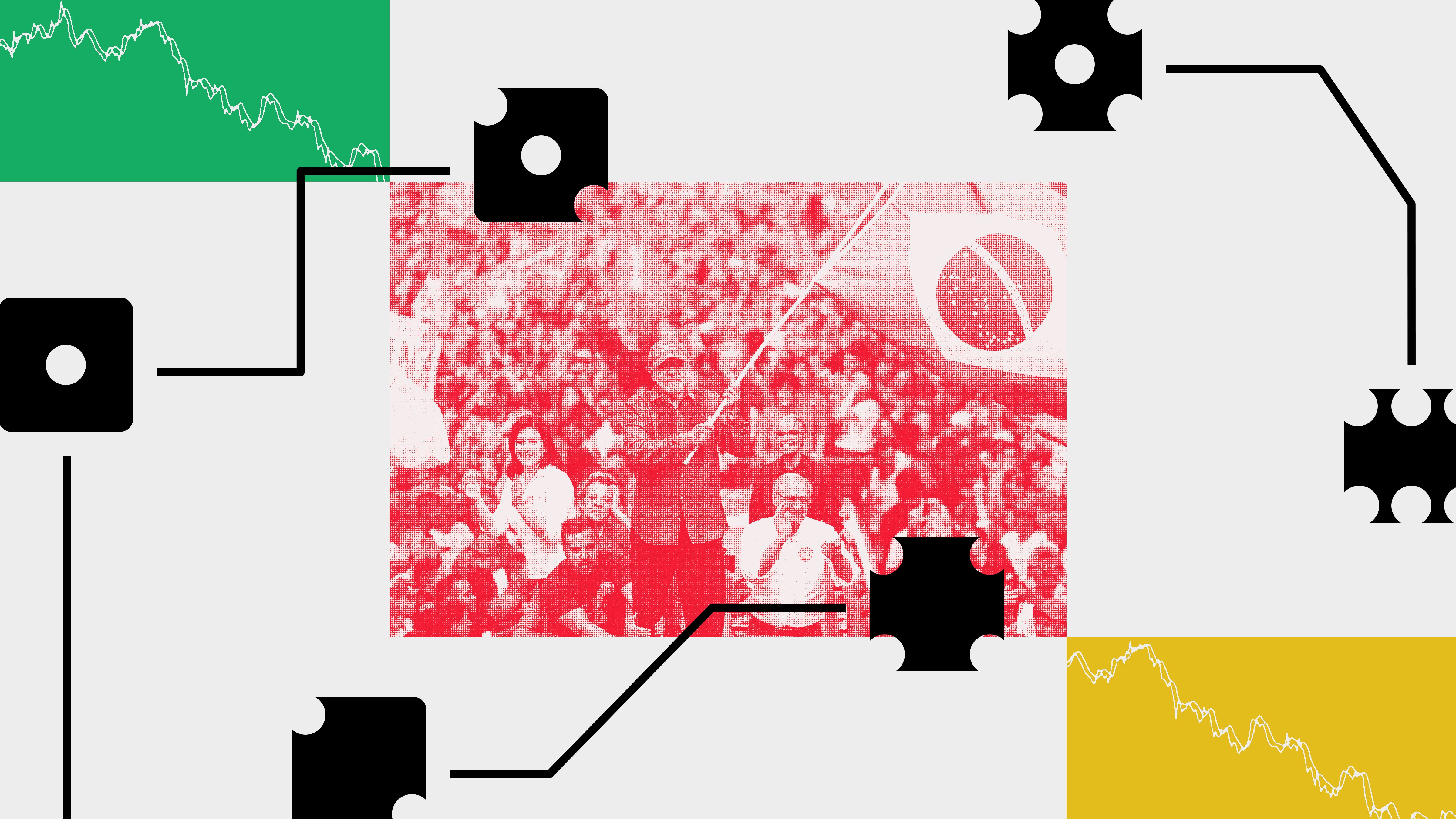
In Brazil, incumbent president Luiz Inácio Lula da Silva was reelected on Sunday night, despite many U.S. pundits predicting his defeat due to the growing influence of the South American right and the lasting "curse of incumbency." Recent Brazilian election data showed that his main opponent, Flavio Bolsonaro, the son of Jair, had won the first round by more than 2 million votes, and polling consistently displayed the right-wing challenger as having a slight edge.
However, prediction markets such as Kalshi and Polymarket showed Bolsonaro's odds of victory in the mid-70- and high-80-percent range since the first round, suggesting a significant advantage.
Traders were placing bets on Bolsonaro across markets, even as polls showed Lula gaining ground in the final days of the race. This discrepancy between prediction markets and polls has raised questions about their reliability. While these platforms deal in probabilities, economists caution against drawing conclusions from a small sample size.
It is possible that Lula had a one-in-five chance of winning, as the markets indicated, or perhaps this was the outcome that occurred in one-in-five cases. These markets have been positioning themselves as authoritative election forecasters, with Polymarket's CEO Shayne Coplan claiming they are the most accurate thing mankind has currently.
When traders do not align with actual outcomes, these firms can argue that they are purely dealing in probabilities, and their forecasts do not read zero percent or 100 percent. However, prediction markets differ from sophisticated polls and hybrid forecasts like Decision Desk HQ. Polls are a snapshot of a moment in time, while prediction markets derive their probabilities from global user trading data.
The typical users of these platforms are young and male, and the platforms are banned in Brazil. It is difficult to determine if traders with limited knowledge of Brazilian politics or political biases skewed the results. Yet, recent academic research suggests that prediction markets can still produce reliable forecasts even with unbalanced demographics.
Nevertheless, the reliability of these markets can depend on the volume of money involved; Kalshi's Brazilian-market volatility problem was mainly due to a lack of trading volume, which only increased at the end, causing odds to change.
Written by urgent.news from The Atlantic's reporting — not their text. Machine-written — may contain errors; check the original before relying on it.