5 days beneath the waves: What it's like to live in an underwater 'space station'
Confined inside a research station 22 feet (7 meters) underwater, Analog Astronaut Commander Dr. Musilova and her crew performed research and maintenance activities like future astronauts on Mars.
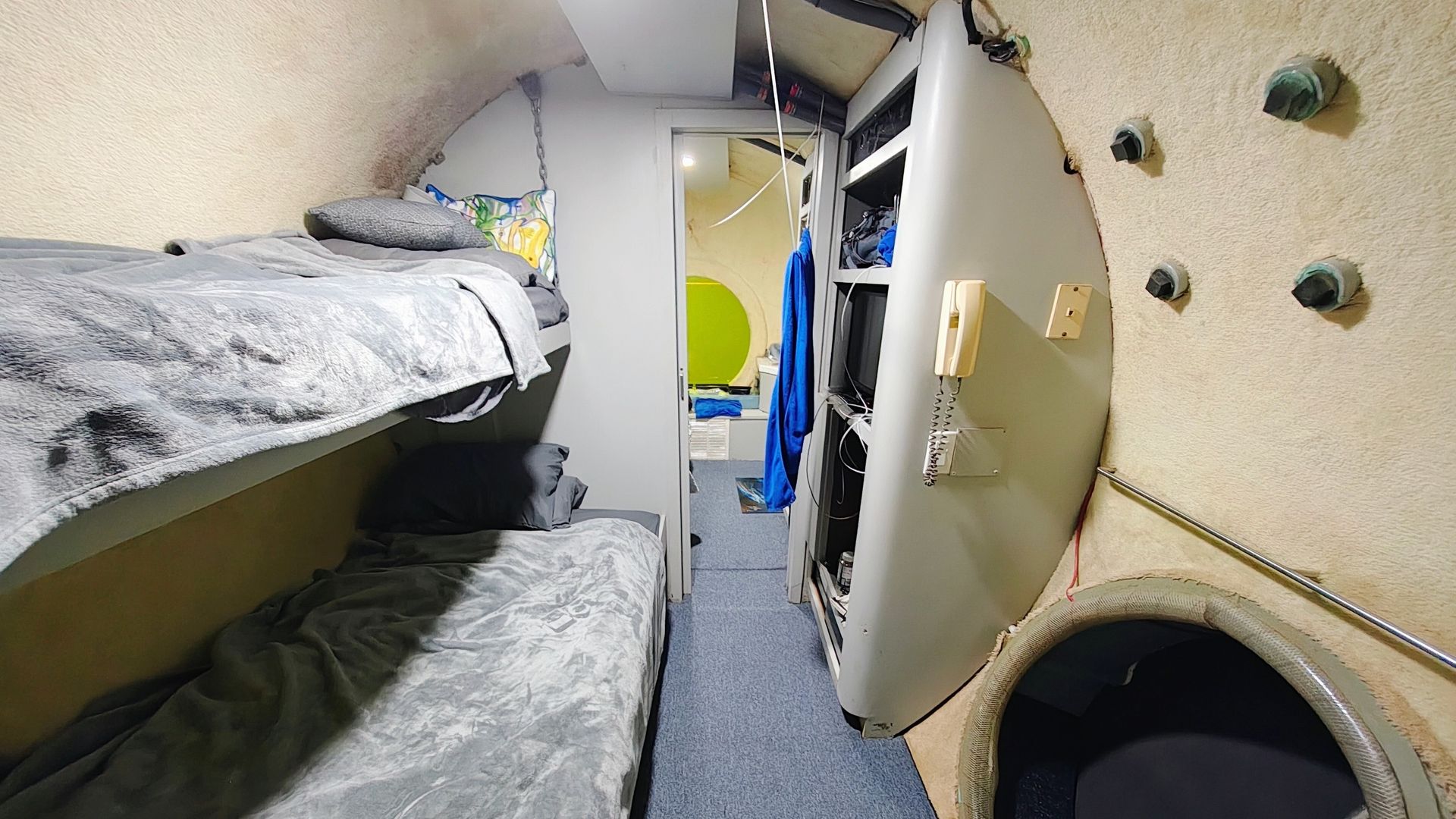
Living underwater proved to be a surprisingly peaceful experience. The SEA STAR crew, consisting of four members, found themselves submerged 22 feet (7 meters) below the surface, accompanied only by the hum of life support systems keeping them alive. They were part of a simulated space mission aboard the Jules Undersea Lab, an underwater habitat originally built in the 1970s for divers to live and conduct research.
The lab's purpose was to replicate the conditions astronauts might face during long-duration space missions, a task that requires considerable funding and resources.
The underwater habitat, known as "La Chalupa" during its construction, was designed to be mobile, housed inside a barge measuring 20 feet wide and 60 feet long. The crew could dive to the lab, living and working within its confines for days at a time. Once their mission was complete, they would remove the water, allowing them to relocate the lab to a new location.
Though the facility eventually closed due to funding issues, it continued to serve as a research station for various aquanaut missions, including a NASA 30-day project and two 73- and 100-day underwater living records.
Inside the lab, the crew had access to a galley with a kitchen and dining/work area, a basic toilet and shower, and a moon pool acting as the main entrance. Three windows throughout the habitat offered a glimpse of the green world outside. For their simulated space mission, the crew performed spacewalks, maintained daily tasks, and conducted research projects.
Although the pressurized environment caused physical stress, the crew remained engaged and enjoyed their time underwater. The food, though not exceptional, provided small moments of comfort, and the distinct green scenery outside the lab windows made the experience feel somewhat akin to living on Mars.
Written by urgent.news from Space.com's reporting — not their text. Machine-written — may contain errors; check the original before relying on it.